Leave Your Message
Request a Quote

What Is a Neoprene Tote Bag?

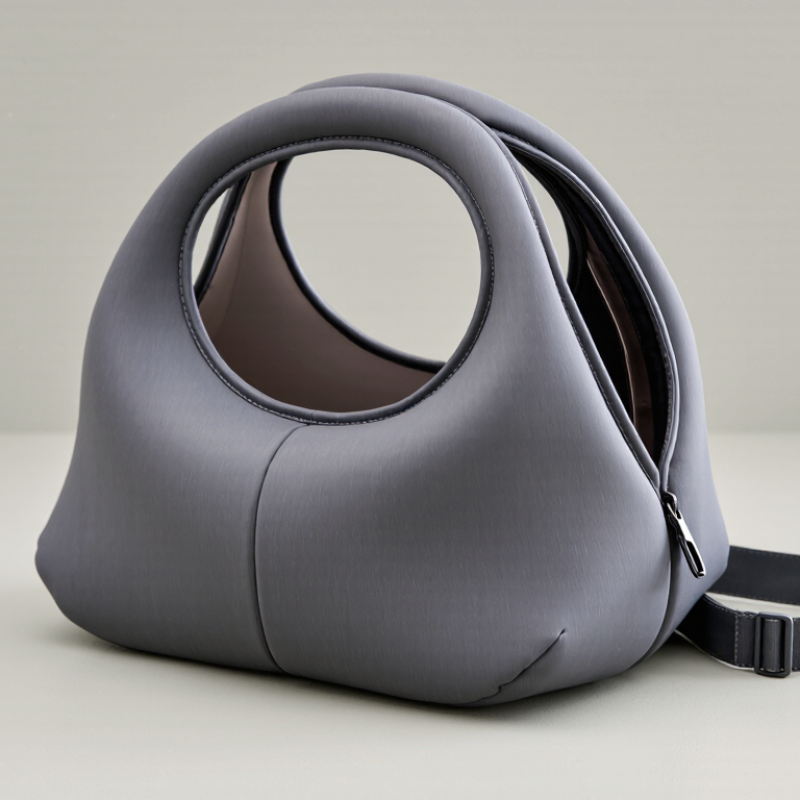
A Neoprene Tote is a carryall made from neoprene, a synthetic rubber also known as polychloroprene. Its soft, springy body and flexible sides feel different from woven canvas or thin plastic. Many designs use fabric laminated to neoprene foam, with stitched seams, cutout handles, or separate straps. The details matter. Foam thickness, lining, and construction affect how a bag carries weight and resists spills; the material name alone cannot tell you how durable it will be.

Neoprene is often associated with cushioning and thermal applications, but a tote is not automatically leakproof or suitable for keeping items cold. Check the seams and care label. Those small details are easy to overlook. For a useful environmental comparison, the UK Environment Agency’s 2011 Life Cycle Assessment of supermarket carrier bags estimated that a cotton bag needed 131 uses to match a conventional lightweight plastic bag’s climate impact. That study did not test neoprene bags, so its figure should not be applied to them. Still, it shows why repeated use matters more than a material’s “reusable” label alone. A bag left in a cupboard has little practical value. This guide explains how neoprene totes are made, what they do well, and which trade-offs to consider before choosing one. Even the word “eco-friendly” needs scrutiny. A product’s lifespan, care, and eventual disposal all deserve a closer look.
What Is a Neoprene Tote Bag?

Definition and Basic Structure of a Neoprene Tote Bag

What Is a Neoprene Tote Bag?

Definition and Basic Structure of a Neoprene Tote Bag

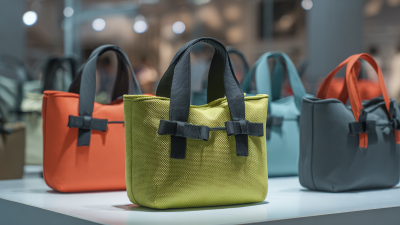
A neoprene tote bag is a carryall made from neoprene, a flexible synthetic rubber often used as a foam layer. Many bags use a sandwich-like material: a soft, lightweight core sits between textile surfaces. The outside may feel smooth or slightly textured, while the inner layer can be similar or made from a separate lining. That is the basic idea.

The foam core gives the bag its cushioned feel and helps it hold a rounded shape when carrying everyday items. A simple structure usually includes a main compartment, two handles, and stitched or bonded side panels. Some designs add a flat base, zipper, or small inner pocket, but these details are not essential.

Not always. Neoprene can resist splashes, yet seams and openings may still let water through. It is better not to treat every tote as waterproof. Check how the panels are joined and whether the bag has a lining. The material can stretch under heavy loads, too, so a neat-looking tote may sag when packed tightly. That small detail is easy to overlook.
How Neoprene Is Used in Tote Bag Construction

What Is a Neoprene Tote Bag?

How Neoprene Is Used in Tote Bag Construction

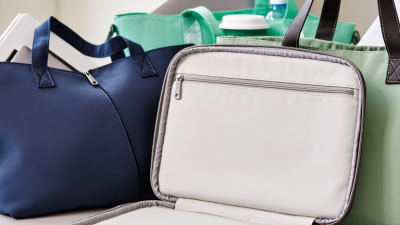
A neoprene tote uses a flexible foam material, often layered with fabric for a smoother finish. In construction, makers cut the sheet into panels, then stitch or bond the edges to shape the bag. The foam gives the sides a soft, springy feel and helps the tote keep its form. Not rigid, though. Panel thickness and fabric lining can change how much structure the finished bag has.

Handles need careful attachment because a full tote can place steady strain on its seams. Reinforced stitching around handle ends can help distribute that pull. Some designs leave the foam edges visible, while others bind them with fabric. These choices affect feel and durability, not just appearance. Neoprene may resist splashes, but seams and openings can still let water in. It is not automatically waterproof.

Tips: Check the handle stitching and seams before choosing a tote. If carrying a laptop or books, look for a firm base and a lining that feels securely attached. Avoid assuming thicker foam always means better support; the overall construction matters more. Small details count. A loose edge or uneven seam may be worth a closer look.

Key Properties That Shape Its Performance

What Is a Neoprene Tote Bag?
Key Properties That Shape Its Performance

A neoprene tote is made from a flexible synthetic rubber often used for cushioning and insulation. Its springy feel helps protect items from small knocks, such as a water bottle bumping against a phone. The material is also lightweight and bends easily, so the bag can flatten for storage. That flexibility can make it less structured than a canvas tote. Not every load sits neatly.

Neoprene resists splashes, but the bag is not automatically waterproof. Water can pass through seams, stitching, or an open top. For example, a damp swimsuit may be carried comfortably, but a laptop still needs separate protection. Construction matters: reinforced seams and wider handles can improve comfort when the tote is full. The material is easy to wipe clean, though grit in a textured surface may take more effort to remove. Prolonged sun and heat can affect its appearance over time. Small trade-off. A bag’s actual performance depends on its thickness, shape, and finishing, not just the word “neoprene” on a label.

Common Uses and Practical Advantages

What Is a Neoprene Tote Bag?
Common Uses and Practical Advantages

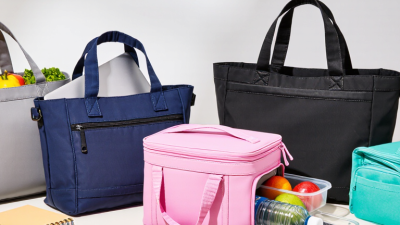
A neoprene tote is usually made from flexible, foam-like polychloroprene, the synthetic rubber also used in wetsuits. Its padded walls help cushion a water bottle, lunch container, or tablet from everyday bumps. The material resists splashes, and its soft sides can flex around oddly shaped items. It is handy, but not indestructible.

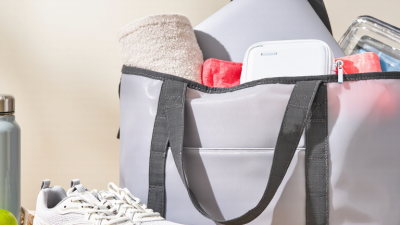
Neoprene totes suit grocery runs, beach trips, gym visits, and carrying chilled food or damp swimwear. The insulation can help slow temperature changes, though it will not keep contents cold like a powered cooler. Grand View Research estimated the global neoprene market at about USD 2.1 billion in 2023, with a projected 3.9% annual growth rate through 2030. That figure covers many uses of neoprene, not tote bags alone. Eurostat reported 90 lightweight plastic carrier bags per EU resident in 2019; this offers useful context for reusable carry options, but does not prove every tote has a lower environmental impact.

For daily use, check the seams and handles before loading heavy jars. Some bags can be hand-washed with mild soap, but care instructions vary. Let the inside dry fully after carrying wet items. A small drawback: neoprene can feel warm and bulky when packed tightly, and its synthetic material is not a natural fiber. Choose a size that fits your routine, rather than assuming one tote works for everything.

What Is a Neoprene Tote Bag?

Neoprene is a flexible synthetic rubber known for cushioning and insulating properties. Tote bags made from it are often used for carrying beach gear, groceries, lunch, or gym essentials.

Ratings are illustrative, editorial assessments on a 1–5 scale based on typical neoprene characteristics, not survey results or standardized test data. Water resistance varies by bag construction; seams and open tops may allow water through.

Care, Limitations, and Environmental Considerations

What Is a Neoprene Tote Bag?
Care, Limitations, and Environmental Considerations

A neoprene tote is made from flexible synthetic rubber, often in a foam-like sheet. It feels soft, holds its shape, and usually resists light splashes. It is not fully waterproof: water can enter through seams or openings. After a beach trip, rinse off sand and salt, then air-dry the bag completely. Damp material can develop an unpleasant odor. Avoid hot water, harsh solvents, and tumble-drying, which may weaken or distort the material.

Neoprene can be bulky, and its foam may catch lint or show scuffs. Prolonged sunlight and heat can also age some formulations. Check the care label, since coatings and blends differ. The environmental picture deserves care, too. The OECD’s Global Plastics Outlook (2022) reports that only 9% of plastic waste was recycled worldwide in 2019. That figure covers plastics broadly, not neoprene specifically, but it underlines why a long-lived bag is preferable to frequent replacement. Disposal and recycling options vary by local facilities.

Tips: Spot-clean stains with mild soap and a damp cloth. Let the tote dry open, away from direct heat. Don’t store it wet. If it still smells, I’d check the lining before trying stronger cleaners; aggressive treatment can do more harm than good.

What Is a Neoprene Tote Bag? - Care, Limitations, and Environmental Considerations

Topic What to Know Practical Consideration
Material Neoprene is a synthetic rubber, commonly made from polychloroprene. Tote bags may use neoprene foam with fabric layers or other surface finishes. Check the product label: construction and care requirements can differ between bags.
Typical qualities The foam structure can make a bag flexible, cushioned, and relatively resistant to incidental splashes. “Water-resistant” does not necessarily mean waterproof; seams, closures, and fabric layers may let water through.
Routine cleaning For many bags, wiping with a damp cloth and mild soap is a gentle first option. Test cleaning products on a small, inconspicuous area and follow the care label.
Washing and drying Some designs may be hand-washable, while others have finishes or components that require spot cleaning. Air drying is generally gentler than applying heat. Avoid machine washing or tumble drying unless the manufacturer specifically permits it. Keep the bag away from radiators and other high heat.
Heat and chemicals High temperatures and harsh solvents can damage rubber materials, adhesives, or laminated layers. Do not iron the bag or use bleach, strong solvents, or aggressive stain removers without label guidance.
Common limitations A soft, flexible tote may not protect contents as well as a rigid case, and its capacity and load limit depend on its seams, handles, and construction. Avoid overloading it, and do not assume it will protect electronics from impact or keep contents dry in heavy rain.
Material sourcing Conventional neoprene is a synthetic material made through industrial chemical processes and is generally fossil-resource dependent. Environmental impacts vary with the material formulation, manufacturing process, product lifespan, and transport.
End of life Neoprene is not readily biodegradable, and mixed-material bags can be difficult to separate for recycling. Check local recycling guidance or specialist take-back options; ordinary curbside programs may not accept rubber or laminated bags.
Lower-impact use Using a bag for a long time and repairing it when practical can help reduce the need for replacement. Choose a durable size that suits regular use, clean it gently, and reuse or pass it on when it is no longer needed.