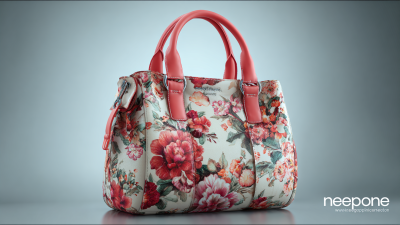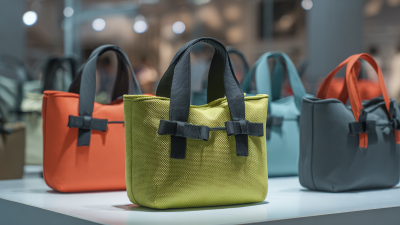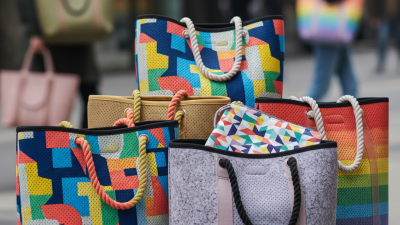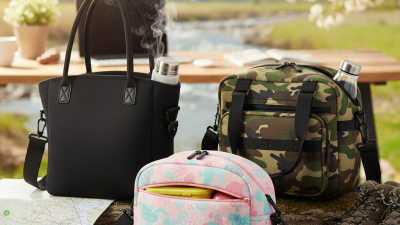
Global buyers are entering 2026 with higher expectations for practical, reusable, and visually distinctive bags. The Neoprene Tote Bag remains popular because it combines softness, water resistance, light weight, and easy daily use. Shoppers carry groceries, towels, laptops, and beach essentials in the same flexible design. Yet one style cannot serve every market.
This guide introduces leading Neoprene Tote Bag types for retailers, distributors, promotional buyers, and private-label brands. It considers open-top shopping totes, zippered work bags, insulated lunch totes, structured laptop styles, and foldable travel designs. Each type offers different advantages in comfort, storage, branding, and shipping efficiency. Materials should be checked for thickness, odor, color stability, stitching quality, and handle strength. Small details matter. A weak seam can damage an otherwise attractive product.
Experienced buyers should request samples before confirming large orders. Test the bag with realistic weight, repeated handling, moisture exposure, and daily opening. Supplier audits, production photos, inspection records, and clear packaging specifications can improve purchasing reliability. Buyers should also review local product, labeling, environmental, and import requirements with qualified professionals. Requirements differ across countries and may change during 2026.
Some market predictions remain uncertain. Consumer preferences can shift quickly, especially when colors or sustainability claims become popular. Not every recycled-material claim is equally verified. This guide therefore treats design trends as useful signals, not guaranteed results. A successful purchase balances appearance, performance, documented quality, and realistic market demand. That balance is easy to overlook.
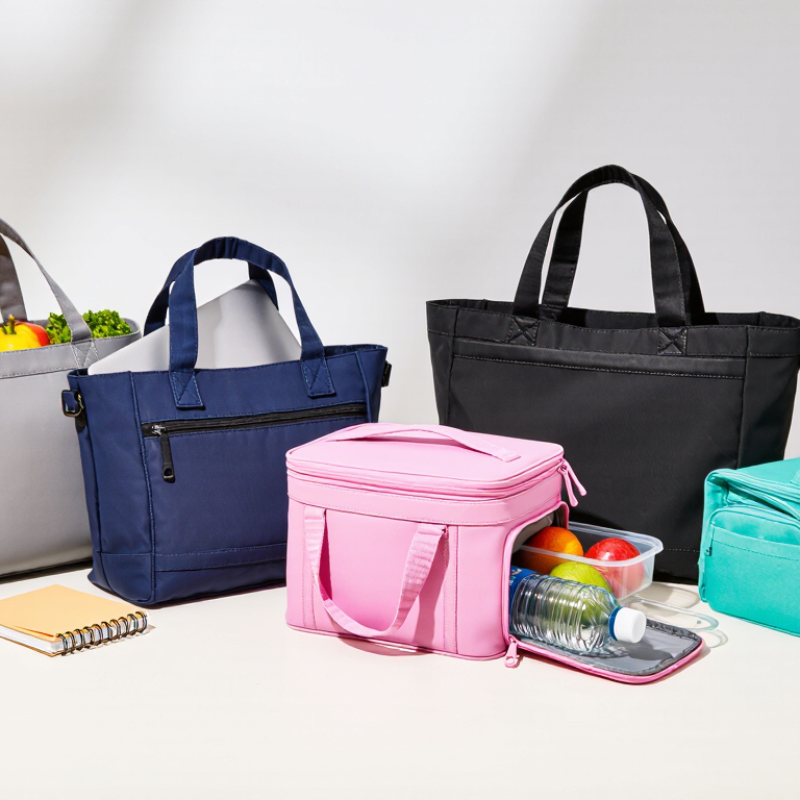
A neoprene tote bag combines a flexible synthetic rubber structure with a fabric surface. In 2026, buyers expect more than softness and water resistance. They examine recovery, stitching, handle strength, odor control, and material consistency. A reliable tote should regain its shape after holding folded clothing, groceries, or a laptop sleeve. However, not every soft bag performs equally well. Some lose structure after repeated loading.
Current types include lightweight daily totes, structured work totes, insulated shopping totes, and travel-ready carryalls. Closed-cell neoprene can help resist splashes and cushion contents. Reinforced seams support heavier loads. Interior pockets improve organization around cables, keys, and reusable bottles. Buyers should request measured dimensions, fabric thickness, load testing, and colorfastness results. Product photos alone are not enough.
Tips: Check the handle attachment points first. Ask whether the lining peels after washing. Confirm odor testing and packaging ventilation. For global purchasing, review care labels, recycled-content claims, and destination-market requirements. A sample test is wise. Carry real items for several days. That small trial may reveal stretching, heat retention, or uncomfortable handles. Sustainability claims also need evidence, not attractive wording.
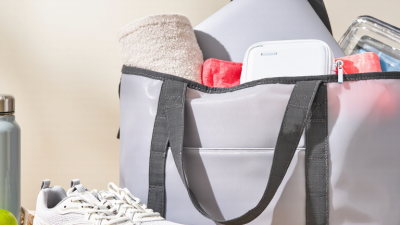
In 2026, global buyers can classify neoprene tote bags by structure, appearance, and daily purpose. Flat totes use thin neoprene panels and flexible handles. They suit beach items, groceries, and lightweight clothing. Gusseted totes provide a wider base for lunch boxes, towels, or small equipment. Some designs include internal pockets, magnetic closures, or zippered tops for better organization.
Insulated neoprene totes are designed for temperature-sensitive food and drinks during short trips. Their thick foam structure adds cushioning, but it can also increase weight. Foldable totes collapse easily for storage and travel. Structured totes usually keep their shape better, although they may require more packing space. Buyers should examine stitching, handle attachment points, odor, panel thickness, and recovery after bending. These details often reveal production quality more clearly than photographs.
Tips: Match the bag to its real load. A narrow handle may feel comfortable when empty but painful with two full bottles. Request sample measurements, material specifications, and basic performance tests before placing a large order. Check color consistency under natural light. Neoprene classifications are not perfectly fixed; one tote may combine insulation, folding, and fashion features. That overlap can confuse product listings. Clear descriptions should state the intended use, approximate capacity, closure type, and cleaning method. A practical review should include repeated carrying, not only a showroom inspection.
Global buyers need neoprene totes matched to real use, not just attractive samples. Daily commuter totes should include padded laptop sleeves, reinforced handles, and water-resistant zippers. Beach and fitness versions need wider bases for towels, shoes, and damp clothing. Insulated neoprene totes suit grocery and meal-delivery programs, especially when temperature stability matters. Foldable styles reduce shipping volume and fit pop-up retail needs. Lightweight designs also help control freight costs.
The OECD’s Global Plastics Outlook projects plastic waste could nearly triple by 2060 without stronger action. This strengthens demand for durable, reusable carry products. However, neoprene is synthetic, so buyers should request material declarations, abrasion testing, and production traceability. The Textile Exchange Materials Market Report 2024 identifies polyester as the largest fiber category globally, reminding purchasers that synthetic materials require careful lifecycle thinking. Stitch density matters. A weak seam can fail before the fabric does. In my sampling work, buyers often over-focus on thickness and miss handle attachment quality. That is an expensive lesson. Recycled-content neoprene may improve sourcing stories, but suppliers should verify percentages through credible documentation. Global buyer needs differ by climate, retail channel, and customer habits; one standard tote rarely fits every market.
| Neoprene Tote Bag Type | Typical Size Range | Approx. Capacity | Typical Neoprene Thickness | Key Functional Features | Common Buyer Requirements | Best-Suited Uses |
|---|---|---|---|---|---|---|
| Classic Open-Top Tote | 35–45 cm wide × 28–35 cm high | 12–22 L | 3–5 mm | Lightweight construction, flexible body, comfortable shoulder straps and quick access. | Consistent dimensions, reinforced handles, color matching and easy-care material. | Daily shopping, beach trips, casual travel and promotional programs. |
| Zip-Top Neoprene Tote | 38–48 cm wide × 30–38 cm high | 15–28 L | 3–5 mm | Top zipper, enclosed storage, improved protection against items falling out and added privacy. | Reliable zipper operation, neat edge binding, durable stitching and secure strap attachment. | Commuting, airport travel, work use and everyday carry. |
| Structured Work Tote | 38–44 cm wide × 30–36 cm high | 14–24 L | 4–6 mm | More stable shape, reinforced base, interior organization and space for documents or tablets. | Professional appearance, strong load-bearing seams, smooth lining and organized compartments. | Office commuting, business travel and conference distribution. |
| Insulated Cooler Tote | 30–45 cm wide × 25–35 cm high | 10–25 L | 4–8 mm with insulation layer | Thermal lining, wipe-clean interior, leak-resistant construction and reinforced carrying points. | Food-contact-safe inner materials where required, easy cleaning and dependable insulation performance. | Lunch transport, picnics, grocery shopping and short outdoor trips. |
| Foldable Travel Tote | 35–50 cm wide × 28–40 cm high | 15–30 L | 2–4 mm | Collapsible design, low storage volume, lightweight construction and flexible carrying options. | Low packed weight, crease recovery, reinforced folding areas and compact packaging. | Air travel, luggage overflow, shopping and trade-show use. |
| Large Utility Tote | 45–60 cm wide × 35–45 cm high | 25–45 L | 4–6 mm | High carrying capacity, wide opening, reinforced bottom and long shoulder straps. | High seam strength, load testing, durable handles and stable base construction. | Family shopping, sports equipment, laundry and weekend travel. |
| Mini Neoprene Tote | 20–30 cm wide × 18–25 cm high | 3–8 L | 2–4 mm | Compact profile, lightweight format and short or detachable handles. | Precise small-scale construction, smooth finishing and compact retail packaging. | Gift sets, cosmetics, children’s accessories and small-item storage. |
| Convertible Tote Backpack | 32–45 cm wide × 35–45 cm high | 14–25 L | 3–5 mm | Convertible straps, hands-free carrying, flexible compartments and travel-friendly design. | Comfortable shoulder webbing, secure hardware, balanced weight distribution and reinforced stress points. | Urban commuting, cycling, campus use and short-distance travel. |
| Mesh-Panel Neoprene Tote | 35–50 cm wide × 28–40 cm high | 15–30 L | 3–5 mm with mesh panels | Improved ventilation, partial visibility, reduced weight and fast drying in suitable designs. | Strong mesh attachment, abrasion resistance, colorfastness and drainage-friendly construction. | Gym visits, poolside activities, beach trips and sports accessories. |
| Reversible Neoprene Tote | 35–48 cm wide × 28–38 cm high | 14–26 L | 3–5 mm | Two-sided styling, flexible construction and reduced need for separate exterior decoration. | Clean internal seams, compatible color combinations and durable reversible handles. | Fashion retail, seasonal collections, gifting and lifestyle promotions. |
Neoprene tote bags vary in thickness, structure, and intended use. A lightweight open tote suits beach goods, towels, and daily shopping. A reinforced tote works better for laptops, catalogs, or heavier merchandise. Compare the fabric thickness in millimeters, not only by product photos. Photos can hide weak construction.
Inspect the seams, handles, and bottom panel closely. Double stitching helps prevent handle separation during repeated lifting. Check the gusset. A wider gusset gives bottles and boxed products more stability. Handle length also matters, especially when buyers expect shoulder carrying. I usually test a filled sample for several hours. Small details matter. Ask for proof.
Global buyers should compare weight, folding volume, odor, colorfastness, and cleaning instructions. Strong chemical smells may indicate poor finishing or limited ventilation during production. Request material specifications and independent test reports when possible. Confirm whether the surface resists light rain, but do not assume it is fully waterproof. That assumption often causes complaints.
Packaging affects landed cost too. A bag that folds flat can reduce shipping volume, while excessive inserts create waste and extra handling. Discuss sample approval, production tolerance, defect replacement, and inspection timing in writing. Measurements may vary slightly between batches, and that is a point worth acknowledging. No supplier should promise perfect uniformity. Reliable purchasing depends on clear limits, practical testing, and records that both sides can review.
Neoprene totes now range from lightweight open-top bags to structured, zippered styles. Some include mesh panels, inner pockets, reinforced handles, or removable shoulder straps. Global buyers should match each design with its actual use. A beach tote needs water resistance and easy cleaning. A promotional tote may need lower weight and sharper color printing.
Supplier evaluation should begin with production evidence, not polished photographs. Request recent samples, material thickness, stitching close-ups, and packaging details. Check whether the neoprene feels even across the panel. Uneven foam can cause sagging after repeated use. Pull each handle firmly and inspect the seam allowance. It is a simple test, but it often exposes rushed workmanship. Ask for quality-control records, factory capacity, lead times, and clear responses about defects. A low quote can still be wrong for your market.
Tips: Confirm carton dimensions, gross weight, barcode options, and shipping marks before ordering. Request a pre-production sample and written approval process. Verify color consistency under natural light. Ask whether the supplier can provide test documentation required by your destination market. Check payment terms and replacement policies carefully. One overlooked detail can delay an entire shipment. Don’t assume every “export-ready” supplier understands your country’s labeling or packaging expectations.