Leave Your Message
Request a Quote

What Is a Neoprene Tote Bag Used For?

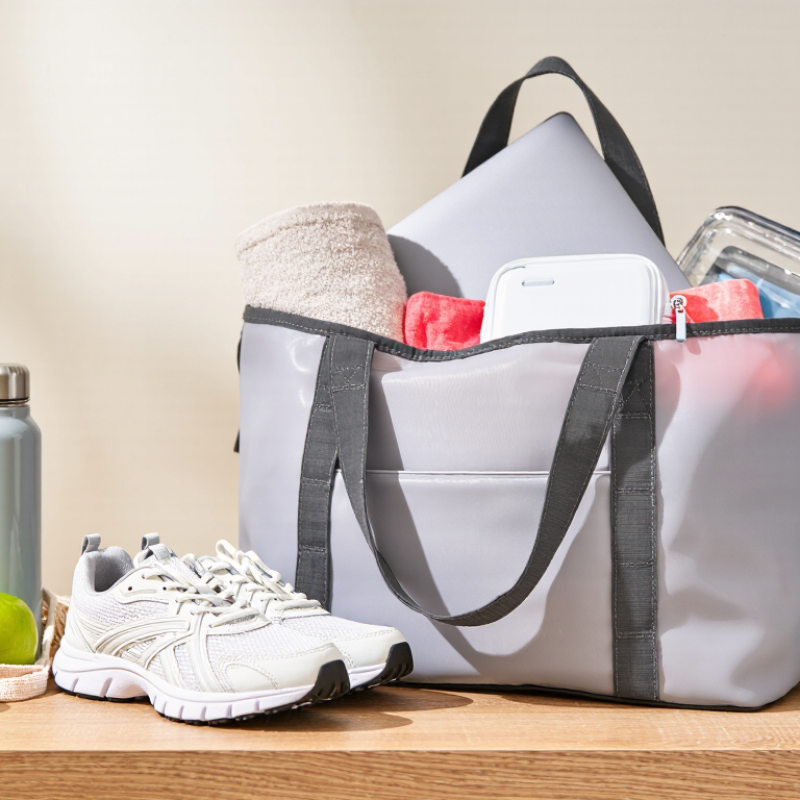
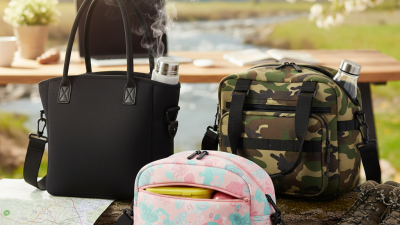
A Neoprene Tote is more than a soft, colorful carryall. Its flexible structure, water-resistant surface, and lightweight feel make it useful for busy daily routines. People carry gym clothing, beach towels, groceries, laptops, baby items, and travel essentials inside one spacious bag. It can handle damp swimwear better than many ordinary fabric totes. Still, it is not completely waterproof. Zippers, seams, and openings may allow water to enter.

Sustainable design authority William McDonough offers a valuable material question: “Waste equals food.” His Cradle to Cradle framework encourages designers to consider a product’s entire life, not only its first use. That idea matters when choosing a Neoprene Tote. Buyers should examine the material blend, stitching quality, lining, handles, and end-of-life options. A durable bag may reduce replacement purchases. However, durability alone does not make a product automatically sustainable. That assumption deserves closer thought.

In practical use, a Neoprene Tote works well for commuting, fitness classes, shopping, weekend trips, and poolside storage. Its padded feel can protect belongings from light bumps. Its broad handles often sit comfortably on the shoulder. Some users may find the bag bulky when it is empty. Others may dislike its casual appearance in formal settings. The right choice depends on routine, load size, and cleaning needs. This article explores these uses closely, including realistic advantages, overlooked limitations, and care habits that can extend the bag’s service life. Expect useful details, not exaggerated promises.

What Is a Neoprene Tote Bag Used For?

Neoprene Tote Bag Basics: Typical 2–5 mm Foam and Fabric Layers

A neoprene tote bag uses a flexible foam core between fabric layers. Typical construction measures 2–5 mm in total thickness. A 2 mm body feels light and folds easily. A 5 mm body offers more cushioning, structure, and thermal buffering. This suits gym clothing, beach towels, lunch containers, and daily groceries. It can also protect a tablet from minor knocks, but it is not a substitute for a rigid case.

The foam is usually polychloroprene, while nylon or polyester fabric covers both sides. Those outer layers improve abrasion resistance and help the bag hold its shape. ASTM D3574 evaluates flexible cellular materials through tests for density, tensile strength, tear resistance, and compression set. These measurements matter in real use. A dense foam may feel stronger, yet it can make the tote heavier and less comfortable. Thicker is not automatically better.

The OECD’s Global Plastics Outlook reported that global plastic waste reached 353 million tonnes in 2019, with only 9% recycled. That figure encourages careful buying and longer use. A well-stitched 3–4 mm tote may outperform a thicker bag with weak seams. I have found that handles often fail before the foam does. Water resistance also needs caution. Neoprene repels splashes, but open seams and fabric surfaces can still absorb moisture. A tote used near sand, sweat, or food should be rinsed and dried fully. This detail is easy to overlook.

What Is a Neoprene Tote Bag Used For?

Neoprene Tote Bag Basics: Typical 2–5 mm Foam and Fabric Layers

Neoprene tote bags commonly use foam around 2–5 mm thick. Thinner foam is suitable for lightweight everyday carrying, while thicker foam can provide more cushioning and structure for lunch containers, wet gear, beach items, or heavier contents. Fabric layers are usually laminated to one or both sides of the foam to improve durability, appearance, and cleanability. Actual construction varies by product and intended load.

Closed-Cell Insulation: How Neoprene Reduces Heat Transfer in Daily Use

What Is a Neoprene Tote Bag Used For?

A neoprene tote bag works well for lunches, groceries, drinks, gym clothes, and beach essentials. Its soft structure cushions bottles and keeps small items from shifting. I have used one for a packed lunch during short commutes. The food stayed cooler than it would in a thin fabric bag. Still, it is not a refrigerator. Not magic.

Closed-cell neoprene contains tiny sealed air pockets within its foam structure. These pockets slow heat transfer through conduction. The material also limits air movement, which reduces some convective heat exchange. A cold bottle may remain cool longer, while warm food loses heat more slowly. Results depend on outside temperature, opening frequency, and the bag’s thickness. I once assumed insulation would work equally well all day. That assumption was too generous. A frozen gel pack can improve performance, but it cannot stop warming forever. Moisture resistance is another practical benefit, although seams and zippers may still allow leaks.

Tips: Pre-chill the tote before loading it. Use a sealed container for sauces and soups. Keep the bag closed between uses. Do not overload it, because stretched material may reduce insulation around the edges. Wipe spills promptly and let the interior dry fully. Keep it dry. For safety, perishable food still needs sensible temperature control, especially during long travel or hot weather.

Food and Beverage Carrying: Practical Uses for 10–20 L Tote Capacities

What Is a Neoprene Tote Bag Used For?

A 10–20 L neoprene tote suits short food and beverage trips. It can hold lunch containers, fruit, sandwiches, or several sealed drink bottles. A 10 L bag usually fits a personal meal and two or three drinks. A 20 L tote offers room for a family picnic or office order. Keep heavy bottles upright. Neoprene cushions them during everyday movement.

Its flexible walls also make packing easier in crowded cars or narrow refrigerator spaces. However, capacity does not equal weight capacity. Six 500 ml bottles already weigh about 3 kilograms, before ice or food is added. The FDA Food Code 2022 recommends holding cold food at 5°C or below. A neoprene tote slows temperature change, but it is not automatically a certified cooler. Add frozen gel packs and use sealed containers.

The USDA FoodKeeper guidance recommends refrigerating perishable food within two hours, or one hour above 32°C. That matters during warm commutes. Moisture can collect inside the bag, especially after carrying iced drinks. This is a weakness worth considering. Choose a washable lining and dry the tote fully after use. The UNEP Food Waste Index Report 2024 estimated 1.05 billion tonnes of food waste in 2022. Reusable carrying bags cannot solve that problem, but careful portion transport may prevent some avoidable spills and forgotten leftovers.

Water Resistance and Cleaning: Neoprene Performance Under ASTM D1056

What Is a Neoprene Tote Bag Used For?

Water Resistance and Cleaning: Neoprene Performance Under ASTM D1056

A neoprene tote bag suits damp commutes, gym visits, beach trips, and grocery runs. Its closed-cell foam structure can slow water penetration and protect contents from light splashes. It is not fully waterproof. Seams, handles, and stitching remain vulnerable points. ASTM D1056 evaluates flexible cellular rubber through properties such as density, compression, tensile strength, and water absorption. However, it does not certify an entire tote bag. Construction still matters.

A practical test is simple. Place a dry towel inside, then wipe or lightly spray the exterior. Check the towel, seams, and base after several minutes. Do not assume identical results across materials. The 2024 Grand View Research neoprene market analysis estimates the global market at about 2 billion US dollars, with continued growth driven by protective and flexible applications. That figure signals material demand, not guaranteed bag performance. Cleaning should remain gentle: remove loose dirt, use lukewarm water, and apply mild soap with a soft cloth. Rinse carefully, squeeze without twisting, and air-dry away from direct heat. Machine washing may distort foam or stress glued seams. The ASTM International standard is useful guidance, but it cannot replace product-specific testing. I would also avoid storing wet items inside for long periods. Odor can develop faster than expected.

What Is a Neoprene Tote Bag Used For? - Water Resistance and Cleaning: Neoprene Performance Under ASTM D1056
Performance or Use Dimension Typical Neoprene Tote-Bag Behavior Practical Use Testing, Care, or Limitation
Water Resistance Neoprene is a closed-cell synthetic rubber foam and generally resists short-term contact with splashes, condensation, and damp surfaces. Suitable for carrying towels, swimwear, gym clothing, beach accessories, and reusable water bottles. Water resistance is not the same as waterproof construction. Seams, stitching, zippers, handles, and untreated openings can allow water to enter.
Water Absorption Closed-cell neoprene normally absorbs less water than open-cell foams, but the actual result depends on foam formulation, thickness, facing fabric, cuts, seams, and surface damage. Helps reduce rapid soaking and can make the bag easier to wipe dry after light moisture exposure. ASTM D1056 includes water-absorption evaluation for flexible cellular materials. A finished tote should not be assigned a material-grade result unless the exact foam and construction have been tested.
ASTM D1056 Relevance ASTM D1056 is a specification for flexible cellular materials made from rubber or rubber-like materials, including neoprene-type foam products. Useful for organizing material requirements such as density, compression deflection, tensile behavior, elongation, and water absorption. The standard does not certify a complete tote bag for every use. Test results are affected by the selected grade, specimen preparation, thickness, conditioning, and test method.
Cleaning After Everyday Use Most surface dirt and light spills can be removed with lukewarm water and a small amount of mild detergent. Appropriate for routine cleaning after commuting, shopping, exercise, or outdoor use. Wipe or gently hand-wash, rinse thoroughly, and allow the bag to air-dry completely before storage.
Stain and Odor Control Neoprene can retain odors when moisture remains trapped in folds, linings, or seams. Regular drying helps maintain freshness when the tote is used for damp clothing, lunch containers, or sports equipment. Do not seal the bag while damp. Test any cleaner on a hidden area first, especially when the tote has a printed or laminated outer surface.
Recommended Cleaning Method Use a soft cloth or soft brush with diluted mild soap; avoid aggressive scrubbing that may damage the foam or fabric coating. Provides a low-impact method for removing dust, salt residue, and ordinary surface marks. Avoid bleach, solvents, petroleum-based cleaners, fabric softener, and harsh degreasers unless specifically approved for the product materials.
Drying Performance Surface moisture usually evaporates faster than moisture trapped inside seams, pockets, or thick foam sections. Air drying helps prepare the tote for its next use and reduces mildew risk caused by prolonged dampness. Dry in a ventilated shaded area. Avoid high heat, tumble drying, radiators, irons, and prolonged direct sunlight, which may deform or age the material.
Insulation Neoprene foam has low thermal conductivity compared with many solid fabrics, so it can provide short-term thermal buffering. Useful for carrying beverages, packed meals, cosmetics, or temperature-sensitive personal items for short trips. A standard tote is not automatically an insulated cooler. Heat transfer depends on foam thickness, lining, closure, contents, and ambient temperature.
Flexibility and Protection The foam structure cushions contents against minor impacts and can conform around irregularly shaped items. Suitable for groceries, books, workout gear, electronics accessories, and personal belongings that need light cushioning. It is not a substitute for a rigid protective case. Sharp edges, excessive compression, and overloading can cut or permanently deform the foam.
Load-Carrying Considerations Carrying capacity is governed mainly by handle attachment, seam construction, lining, reinforcement, and bag design rather than foam alone. Works well for ordinary daily loads when weight is distributed evenly. Do not infer a safe load limit from ASTM D1056 foam properties. The finished bag requires separate handle, seam, and load testing.
Chemical and Environmental Exposure Neoprene performance can change with prolonged exposure to oils, solvents, strong oxidizers, excessive heat, or ultraviolet radiation. Best suited to normal indoor, commuting, fitness, shopping, and occasional outdoor conditions. Remove chemical spills promptly, keep away from open flames, and store clean and dry in a cool location.
Best-Fit Applications Lightweight, flexible, water-resistant, and easy-care characteristics make neoprene totes practical for damp or active-use environments. Beach and pool trips, gym sessions, travel, grocery shopping, lunch carrying, diaper essentials, and casual daily errands. For submerged use, hazardous liquids, heavy industrial loads, or long-term temperature control, a purpose-built container with verified performance is more appropriate.
Note: ASTM D1056 describes flexible cellular rubber materials and does not by itself establish the waterproofness, cleaning durability, or safe load capacity of a finished tote bag.

Choosing and Maintaining a Tote: Weight Limits, Seams, and Temperature Range

What Is a Neoprene Tote Bag Used For?

A neoprene tote bag suits groceries, gym clothing, beach towels, and daily commuting. Its flexible body cushions small items and resists light splashes. It is not automatically a heavy-duty carrier. Check the stated weight limit before loading bottles, books, or equipment. A practical safety margin matters because repeated overloading can stretch the fabric and handles.

Keep it light. Check the seams.

Inspect the handle attachments, bottom corners, and side seams before each busy trip. Tight, even stitching is a useful quality sign. Loose threads, puckering, or widening gaps need attention. I would not trust a damaged seam with glass containers or sharp-edged tools. Distribute weight across the base instead of creating one heavy corner. A flat pouch can help prevent pressure points.

Temperature also affects neoprene performance. Most bags handle ordinary outdoor conditions, but the exact range depends on thickness, lining, and construction. Prolonged heat inside a parked car may soften adhesives or deform the bag. Freezing temperatures can make the material stiff and less flexible. Avoid placing the tote against hot cookware or using it as an insulated food carrier unless its care guidance supports that use. Air-dry it fully after washing, away from direct heat. I used to focus only on cleaning, but moisture trapped near seams can create odors and weaken thread over time. Inspect it again after drying.