Leave Your Message
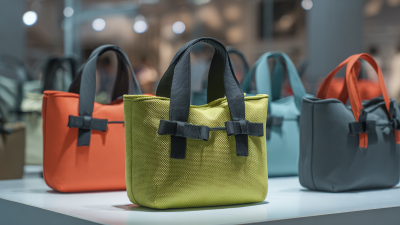
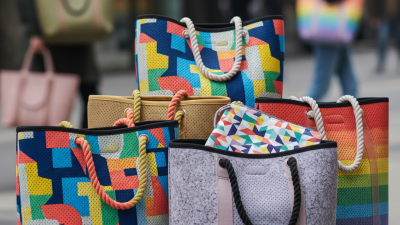
Choosing the best Neoprene Tote for 2026 means looking beyond color and softness. A bag may feel plush in a showroom but sag when loaded with a laptop, water bottle, and lunch container. Small details matter. Check the handle attachment, base shape, lining, zipper quality, and whether the bag stands upright on a flat surface. Neoprene can provide a cushioned feel, but construction varies between brands. A thick-looking body does not guarantee strong seams.
Material claims also need context. Textile Exchange’s Materials Market Report 2024 estimates that global fiber production reached 124 million tonnes in 2023, with polyester accounting for 57%. That figure does not measure neoprene production; it does show why shoppers should ask what a tote contains and how its materials are described. Look for clear product specifications rather than vague claims about sustainability or performance. Fit matters. Consider the bag’s weight when empty, its capacity, and how easily it can be cleaned after everyday spills. Reviews can help, but they are not controlled product tests, and sizing photos can be misleading. This guide compares practical features and trade-offs, including comfort, storage, care, and value. It cannot prove how every bag will perform over years of use. That uncertainty deserves a place in any honest recommendation.
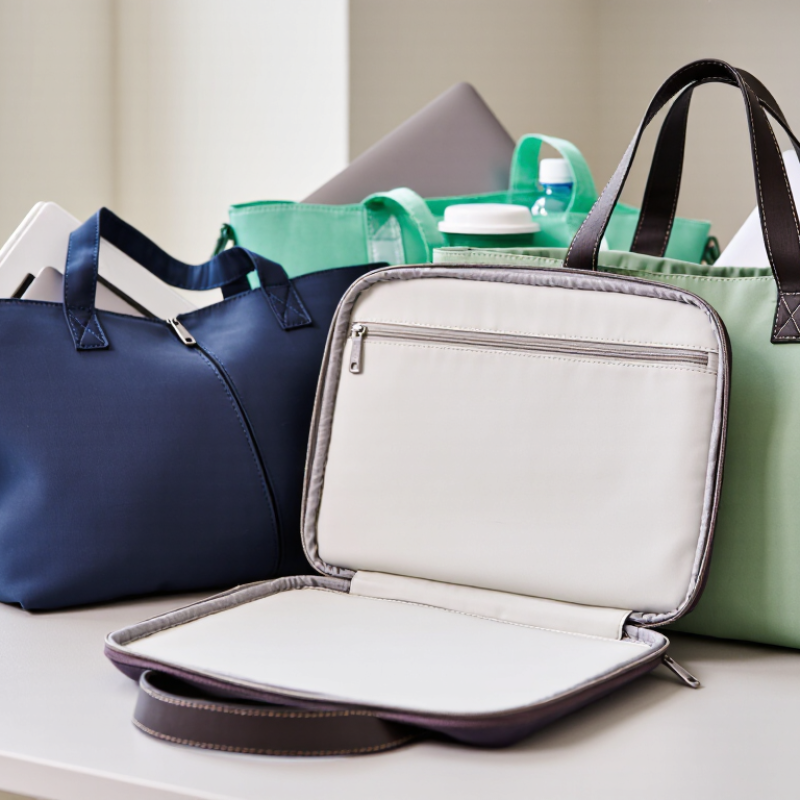
A neoprene tote bag is made from a flexible synthetic rubber foam, often laminated with fabric on one or both sides. That foam gives the bag its soft, slightly springy feel. It can also help cushion items such as a water bottle or tablet. Neoprene is not a single fixed thickness, though. A thicker panel may feel sturdier, while a thinner one folds more easily.
Making the tote begins with sheets of neoprene foam. The sheets are bonded to a textile surface, then cut into panels for the body, base, and handles. Manufacturers join these pieces with stitching, bonding, or a mix of both. The seams matter: a neat finish can reduce fraying and help the bag keep its shape, but it does not make every tote waterproof. Check the construction closely.
The final bag may include pockets, a reinforced base, or a zip closure. Each adds function, but also weight and more seams to inspect. Not magic. Neoprene can stretch or show wear if it is overloaded, dragged against rough surfaces, or stored while damp. Let it air-dry fully after cleaning, and follow the care label. I would not assume every bag uses the same foam or fabric; product descriptions can be vague, so details are worth checking before choosing one.
| Dimension | What It Means | Practical Facts | What to Look For |
|---|---|---|---|
| Material | A neoprene tote is a carry bag made with neoprene, a flexible synthetic rubber, often faced or laminated with textile fabric. | Neoprene is the common name for chloroprene rubber. The finished bag may combine foam rubber, fabric, thread, linings, and other components. | Check the product’s material description and whether the exterior, lining, or only selected panels contain neoprene. |
| How it is made | Material panels are shaped, assembled, and finished to create the bag’s body and handles. | Manufacturing commonly involves cutting sheet material, joining panels by sewing or bonding, and adding details such as pockets, closures, or a base panel. | Look for even seams, securely attached handles, cleanly finished edges, and clear information about the construction. |
| Neoprene thickness | The foam layer’s thickness affects the bag’s feel, flexibility, and cushioning. | There is no single standard thickness for neoprene tote bags. Thickness and construction vary by design and intended use. | Choose a flexible build for a lightweight everyday tote or a more substantial build when extra cushioning and shape retention matter. Confirm measurements with the seller. |
| Size and capacity | Capacity depends on the bag’s width, height, depth, gusset, and opening. | Tote dimensions and stated capacity are not standardized; two bags with similar outside measurements may hold different amounts. | Compare listed dimensions with items you plan to carry, and check whether measurements refer to the exterior or usable interior. |
| Water resistance | Neoprene material can resist water, but that does not make every finished tote waterproof. | Water may enter through seams, openings, zippers, or untreated fabric panels. Performance depends on the whole bag, not just the neoprene. | For wet conditions, check for stated water-resistance details and a suitable closure. Do not assume the bag is leakproof unless the maker specifies this. |
| Cushioning and insulation | The foam structure can provide some cushioning and slow heat transfer. | Insulation performance varies with material thickness, construction, closures, and exposure. A standard tote should not be treated as a temperature-controlled cooler. | Choose a purpose-built insulated design if keeping food or drinks cold or hot is a priority. |
| Handles and carrying comfort | Handle length, width, attachment, and placement affect how the bag carries. | Comfort and strength depend on the handle material and how it is secured to the bag. | Check handle drop for shoulder use and inspect attachment points. Match the bag to your intended load rather than relying on appearance alone. |
| Organization | Pockets and closures affect how easily the contents can be stored and accessed. | Features vary: some totes have open interiors, while others include pockets, zippers, snaps, or removable inserts. | For small essentials, look for a securely attached pocket. For quick access, consider an open top; for added containment, check the closure type. |
| Care and maintenance | Cleaning needs depend on the specific material combination and construction. | Care instructions differ by product. Heat, harsh chemicals, or unsuitable washing methods may damage rubber, fabric, or bonded components. | Follow the maker’s care label. When no specific method is provided, check before machine washing and allow the bag to dry thoroughly. |
| Best choice for 2026 | The best neoprene tote is the one that fits your actual use, rather than a particular feature or trend. | There is no universal best size, thickness, or construction; suitable choices depend on what you carry and the conditions of use. | Prioritize accurate dimensions, secure handle construction, useful organization, clear material details, and care instructions that suit your routine. |