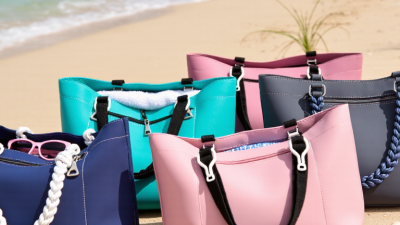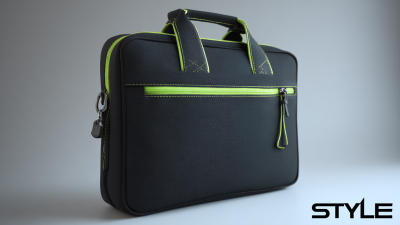
A Neoprene Beach Bag can look sturdy on a product page and still disappoint after one season. Seams may pucker, handles may stretch, and a strong rubber smell may linger. Choosing a supplier therefore takes more than comparing prices or sample photos. It means checking materials, construction, testing practices, and whether the factory can repeat the same quality across a full order.
Material choices matter. Textile Exchange’s Materials Market Report 2024 estimates that global fiber production reached 124 million tonnes in 2023, with polyester representing 57% of the total. This figure does not measure neoprene bags directly. It does show why buyers should ask what each component contains, including linings, straps, and trims. Request material specifications, product test records, and clear answers about production capacity. Then inspect a sample closely: pull the handles, examine the stitching, and check how the bag holds its shape when loaded. Small checks count.
Peter Drucker, a widely cited management thinker, wrote, “Quality in a product or service is not what the supplier puts in. It is what the customer gets out.” His observation is not specific to neoprene bags, and that distinction matters. A supplier’s claims are not proof. This guide explains how to compare potential partners, verify their capabilities, and spot unanswered questions before committing. Some details may still need independent testing; a polished sample alone cannot settle everything.
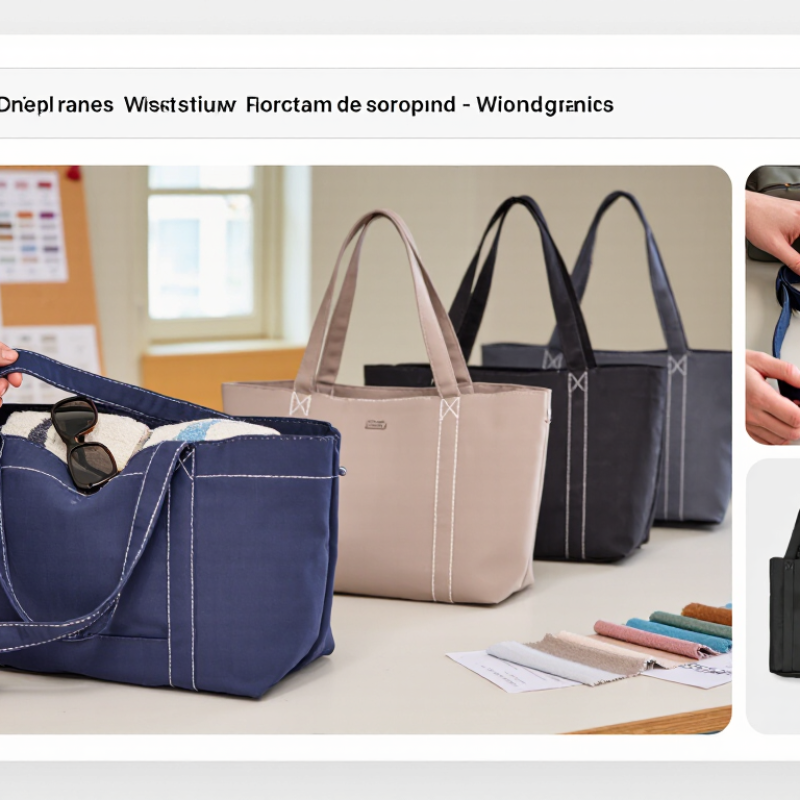
Before requesting quotes, define the bag’s load and use: wet towels, sunscreen, or only light clothing. Specify finished dimensions, lining, handle construction, and target weight. A beach tote carrying damp towels needs different support from a foldable day bag. Small details matter. Ask suppliers to state neoprene thickness in millimeters and explain whether the figure describes foam alone or the laminated sheet. A ruler can screen samples, but it cannot verify density or consistency across a production roll.
Thickness alone is not a quality grade. Ask for density in kg/m³, the neoprene blend or grade, and test results for compression, tensile strength, and dimensional stability. ASTM D3574 provides recognized test methods for flexible cellular materials, including density and compression-related properties; it does not set one ideal density for every bag. That distinction is useful. Compare supplier reports using the same test method, then inspect a cut sample for even cell structure, clean lamination, and firm recovery after compression. A denser sheet may feel more substantial, yet add weight and cost. I would not assume it is automatically better. Approve a written tolerance for thickness and density before production, and request a batch report against that specification.

A reliable neoprene beach bag supplier should support material claims with test data, not just a product description. ASTM D1056 covers cellular rubber materials, including relevant requirements for foam neoprene. ASTM D412 measures tensile properties such as tensile strength and elongation. Together, these standards can help you compare cushioning and resistance to stretching. Ask which material layers were tested: a bag may combine foam, fabric, and adhesive. Small details count. Request the test date, sample thickness, conditioning method, and reported results. A result without that context is difficult to assess.
Check whether the report represents the actual production material, not only an early sample. If the bag uses a laminated construction, ask whether the foam and finished laminate were evaluated separately where the methods permit. That matters. D1056 and D412 do not, by themselves, certify a finished beach bag or prove long-term saltwater and UV resistance. Request relevant additional evidence for those conditions, and compare samples from more than one production batch. A neat report can still miss real-world variation. I would treat unexplained changes in foam thickness or tensile results as a reason to ask more questions, not as a minor paperwork issue.
How to Choose the Best Neoprene Beach Bag Supplier?
For a neoprene beach bag, color transfer matters. A damp bag rubbing against a pale towel can leave an unwanted mark. Ask suppliers to test the actual finished material, not just a similar fabric sample. ISO 105-X12 evaluates color fastness to rubbing, often called crocking.
The test uses a white rubbing cloth moved across the colored surface under controlled conditions. One test is dry; another uses a moistened cloth. The cloth is then assessed for staining with a gray scale. Request the test report, including the sample tested, wetting method, and results for both conditions. Small details count. A report for the outer fabric may not represent a printed, coated, or laminated bag panel.
Treat the result as useful evidence, not a guarantee of beach performance. ISO 105-X12 does not directly measure fading from sunlight or exposure to salt water. Ask how the supplier checks those conditions separately, and whether results apply to your chosen color. A report can still leave questions. If the method or sample is unclear, request clarification before approving production. That extra step is a little inconvenient, but it can prevent disappointing color transfer in use.
Check wet and dry rubbing colorfastness using ISO 105-X12.
ISO 105-X12 evaluates color transfer from a specimen to a rubbing cloth. Dry and wet rubbing are tested and assessed separately using the staining grey scale: grade 5 indicates the least staining, while grade 1 indicates the most. This chart explains the rating scale; it is not supplier test data. Ask suppliers for test reports for the specific neoprene material and color.
A reliable supplier should explain how quality is checked at each production stage. Ask how incoming neoprene is inspected for thickness, color variation, and surface marks. During sewing, workers should check seam alignment, handle attachment, and zipper movement. Request recent inspection records and examples of corrective actions. A record is useful only when it shows what changed. Even a tidy factory can miss defects.
Tips: Ask to see a finished bag tested with a realistic load. Check whether the handles stretch, seams pull, or the base sags. Clarify who approves samples and how production changes are documented. A quick video tour helps, but it cannot replace clear records.
ISO 2859-1 provides attribute-sampling plans for inspecting lots; it does not certify a factory or guarantee every bag is defect-free. Agree on the inspection level, acceptable quality limit (AQL), defect categories, and acceptance or rejection numbers before production. For example, a loose handle may count as a major defect, while a tiny color variation may be minor. Review how the factory selects random units, not just showcase pieces. No checklist catches everything. Ask how rejected lots are contained, reworked, and reinspected, and keep the agreed procedure in writing.
A neoprene beach bag supplier should be assessed against your actual order, not just a promising quote. A low minimum order quantity can suit a small launch, but ask whether the price, fabric, and colors match your planned bulk order. Lead times matter. Request a dated schedule covering material sourcing, production, and inspection. Ask what could delay shipment, too.
Review compliance records that relate to the bag’s materials and intended sales market. Request current test reports or material declarations, and check that the product details match your design. For neoprene bags, confirm the stated material, lining, and any printed or coated components. A certificate alone proves little if it covers a different product or an outdated specification.
Before approving bulk production, compare the sample with the written specifications. Check strap width, seam strength, zipper movement, and how the bag holds its shape when damp. Ask the supplier to retain an approved sample as a reference. Small differences happen. Discuss acceptable tolerances before production, rather than after cartons arrive. If responses about records or quality checks stay vague, treat that as a risk—not a guarantee of poor work, but a reason to investigate further.
Planning guide: The ranges below are indicative estimates for sourcing discussions, not verified data from specific suppliers or guaranteed industry standards. Actual terms depend on bag dimensions, neoprene thickness, printing, trim, testing requirements, and order quantity. Request written quotes and current supporting documents before placing an order.
| Evaluation Dimension | What to Compare | Practical Planning Benchmark | Evidence to Request | Questions to Ask |
|---|---|---|---|---|
| Minimum Order Quantity (MOQ) | Minimum quantity for a standard design versus a custom design, print, color, or private label. | For planning, custom bag orders may start at several hundred pieces; complex customization or special materials may require a higher MOQ. Treat the supplier’s written quote as definitive. | Quotation showing MOQ by color, design, and customization; any setup, mold, or printing charges. | Can colors be combined to meet the MOQ? Does the MOQ apply per design, color, or total order? |
| Sample Lead Time | Time to make and ship a first sample, revised sample, and pre-production sample. | A commonly used planning allowance is about 1–3 weeks for a made-to-order sample, plus shipping time. Allow extra time for new artwork, custom components, or revisions. | Sample schedule, sample charge, shipping method, and a dated approval record. | Does the stated lead time begin after artwork, material, and sample specifications are approved? |
| Bulk Production Lead Time | Production time after sample approval, deposit, and final specification confirmation. | For planning, allow roughly 4–8 weeks for production; confirm separately whether material procurement, peak-season capacity, and inspection are included. | Written production schedule with material readiness, production, inspection, and dispatch milestones. | What events can delay shipment, and how will schedule changes be reported? |
| Compliance Records | Whether documentation matches the actual product, material, color, and destination market. | There is no single compliance certificate that covers every beach bag or market. Requirements depend on product composition, intended use, and destination. For example, REACH restrictions may be relevant for EU-market articles; California Proposition 65 may be relevant to products sold in California. CPSIA requirements are relevant when a product is intended for children. | Current test reports from a qualified laboratory, material declarations, and a clear link between each report and the quoted product or material. Verify the destination-market requirements independently. | Were the tested materials and colors used in this exact product? Are reports current and issued for the relevant market and requirements? |
| Sample-to-Bulk Consistency | Consistency in dimensions, neoprene thickness, color, print placement, stitching, handles, and accessories. | No universal tolerance applies to every bag. Agree measurable tolerances in the purchase specification before production, and make the approved sample the reference standard. | Signed sample approval, technical specification, material/color references, inspection checklist, and pre-shipment inspection results. | How are deviations handled? Can production photos or a production sample be reviewed before shipment? |
| Quality Control | Incoming-material checks, in-process checks, final inspection, and defect handling. | Set acceptance criteria and inspection timing in writing. A third-party inspection can be considered for higher-value or time-sensitive orders. | Documented inspection procedure, defect classification, inspection report, and corrective-action process. | What happens if an inspection finds defects, and who pays for rework or re-inspection? |
| Quote Comparability | Whether quotations use the same specifications and include the same costs. | Compare like for like: bag size, neoprene thickness, lining, closure, print method, packaging, Incoterms, and testing costs. | Itemized quotation, product specification, payment terms, packaging details, and shipping terms. | Are sample, testing, tooling, packaging, freight, and inspection costs included or charged separately? |