2026 How to Choose the Best Neoprene Beach Bag?
Choosing the right Neoprene Beach Bag in 2026 requires more than selecting a bright color or fashionable shape. The best option should handle wet towels, sunscreen, sunglasses, snacks, and unexpected sand. It should also remain comfortable when carried across hot boardwalks.
Arnold M. Collins, a DuPont chemist associated with neoprene’s early development, offered a useful material principle: “A material should be judged by performance, not appearance.” That idea still matters today. Neoprene can provide softness, flexibility, water resistance, and light cushioning. However, not every bag performs equally well. Thickness, stitching, lining, handles, zippers, and base construction all deserve careful attention. Small details matter.
Think about your real beach routine. Do you carry a laptop after swimming? Do children drop wet toys inside? Will the bag sit on rough concrete? A wide opening improves access, while reinforced seams can reduce stretching. A removable inner pouch may protect keys from damp towels. Still, claims such as “fully waterproof” should be examined carefully. Many bags resist splashes but are not designed for submersion.
There is no perfect choice.
A stylish bag may lack structure. A durable bag may feel heavy. An oversized design may encourage unnecessary packing. This guide, “2026 How to Choose the Best Neoprene Beach Bag,” compares practical features, comfort, maintenance, sustainability considerations, and everyday value. The goal is not to promote the most expensive model. It is to help readers choose a reliable companion for sunny, sandy, and slightly messy days.
Define Your Neoprene Beach Bag Needs and Intended Use
Define Your Neoprene Beach Bag Needs and Intended Use
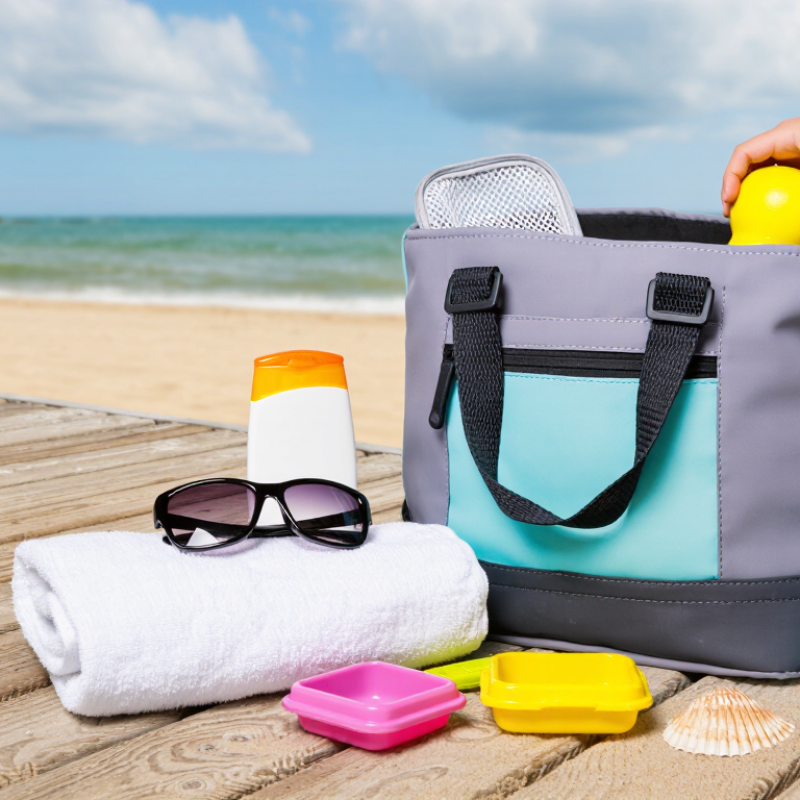
Start with the outing, not the color. A short pool visit may need space for a towel, sunscreen, water bottle, and phone. A full beach day can add snacks, a change of clothes, and a wet swimsuit. Lay these items out before choosing a bag. It is a simple test, but it can prevent buying a roomy-looking bag that feels cramped once packed.
The Outdoor Industry Association’s 2024 Outdoor Participation Trends Report estimated that 175.8 million Americans took part in outdoor recreation in 2023. That broad participation figure is a useful reminder: outdoor trips vary widely, so one bag size will not suit every plan.
Think about how you will carry and store the bag, too. For long walks across hot sand, wide handles may feel better on your shoulder than narrow straps. If you expect wet gear, check whether the lining and compartments can be wiped clean; neoprene alone does not guarantee easy care. A zippered pocket can help separate keys and a phone from sandy items. Still, pockets add bulk, and too many can make packing awkward.
Consider where the bag will live between trips: a car trunk, a small apartment closet, or a crowded suitcase. The awkward part is estimating wet gear. Choose capacity with a little room to spare, but not so much that you carry unused space all day.
Compare Neoprene Materials, Construction, and Weather Resistance
2026 How to Choose the Best Neoprene Beach Bag?
Compare Neoprene Materials, Construction, and Weather Resistance
Neoprene bags can look similar on a product page, but their feel and performance vary. Check the material’s thickness and stretch. A denser, resilient panel usually holds its shape better when carrying damp towels or a water bottle. Thin foam may feel light, yet it can sag under a heavy load. Feel the difference. If possible, press the material and see whether it springs back without staying creased.
Construction matters just as much. Look for even stitching around the handles and reinforced points where straps meet the bag. These areas take the most strain when the bag is full. Check the lining, too; a smooth surface is easier to wipe after sunscreen spills. Honestly, this detail is easy to miss. Zippers and seams can also let water through, even when the neoprene itself resists splashes.
Weather resistance has limits. Neoprene can handle brief spray and wet swimwear, but a beach bag should not be treated as fully waterproof unless its seams and closures are designed for that purpose. Salt and sand can wear down finishes over time. Rinse the bag with fresh water and let it dry in the shade. A small test helps: place a damp towel inside, then check whether moisture reaches the outer panels. If you often carry electronics, use a separate waterproof pouch rather than trusting the bag alone.
Evaluate Bag Size, Storage Space, and Carrying Comfort
A useful neoprene beach bag should fit your actual beach routine, not just look roomy on a shelf.
Lay out what you usually carry: a towel, sunscreen, water bottle, snacks, and a change of clothes. Then compare those items with the bag’s stated dimensions. A wide opening makes it easier to reach small items, while a flat base helps the bag stand on sand. Neoprene can flex, but that does not mean every overfilled bag will stay comfortable or balanced.
Think about storage as well as capacity.
A zippered pocket can keep keys and a phone away from damp towels; a separate section is helpful for wet swimwear. Check whether the pocket is large enough for your essentials, since some are little more than decorative. I tend to pack one extra layer, then regret the added weight on the walk back. Test the handles with a full load if possible. They should sit comfortably in your hand or over your shoulder without digging in. Shorter handles may feel secure, but can be awkward over a jacket. Small details matter. Also consider how the bag feels against your side and whether its weight shifts when you walk.
Check Design Features, Durability, and Easy Maintenance
When choosing a neoprene beach bag,
check how its design handles a real day by the water. A wide opening makes it easier to reach a towel without unpacking everything. Interior pockets help separate keys from damp swimwear, while a secure closure reduces spills when the bag tips over. Check that handles feel comfortable when the bag is loaded, not just empty. Neoprene thickness and stitching quality can vary, so inspect seams around the handles and base. Small details matter.
For durability, look for even stitching, firmly attached straps, and material that feels resilient rather than flimsy.
Neoprene can handle splashes, but it is not automatically waterproof; seams and closures may let water through. After a beach trip, shake out sand, rinse the bag with fresh water, and let it dry fully in a shaded, airy spot. For sunscreen marks, use mild soap and a soft cloth, then test a hidden area first. Check the care label before washing, since machine cycles may stretch or damage some bags. The soft shape can slump when overloaded, which is easy to overlook. Pale colors may also show stains sooner.
Choose a Reliable Brand and Confirm Overall Value
2026 How to Choose the Best Neoprene Beach Bag?
Choose a Reliable Brand and Confirm Overall Value
A dependable neoprene beach bag should show more than a polished product photo. Look for clear details on material thickness, lining, zipper construction, handle stitching, and care instructions. Check whether the seller offers a realistic warranty and responsive customer support. Independent reviews can reveal practical issues, such as sand trapped in seams or handles stretching under wet towels. Small details matter.
Compare the total value, not just the price. A low-cost bag may need replacing sooner, while a thicker design can feel bulky when packed. That trade-off is easy to miss. PwC’s 2024 Voice of the Consumer Survey found that respondents were willing to pay an average 9.7% more for sustainably produced or sourced goods. That measures stated willingness, not actual purchases, so assess specific material claims rather than relying on vague “eco-friendly” wording. Look for verifiable details and weigh them against durability and care needs.
Tips: Check seam photos, return terms, and capacity measurements. Ask whether the bag keeps its shape when loaded. If key specifications are missing, pause before buying.