How to Choose the Best Neoprene Beach Bag for Wholesale
Choosing the Best Neoprene Beach Bag for Wholesale requires more than selecting attractive colors and a low unit price. Buyers must examine material quality, production consistency, practical design, and supplier reliability. A bag may look impressive in a product photograph, yet feel thin, smell strongly, or lose its shape after repeated use.
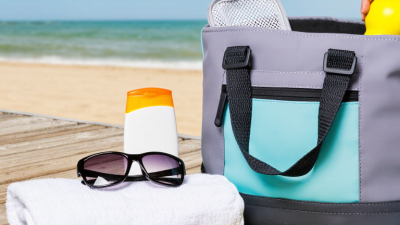
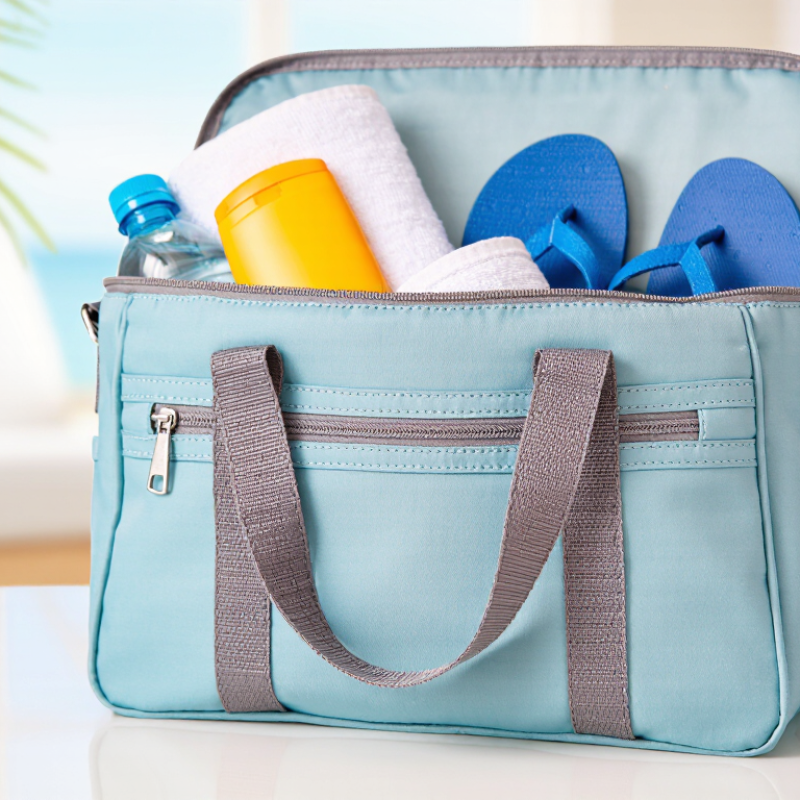
Maya Chen, a neoprene product development consultant with more than fifteen years of sourcing experience, explains: “A successful beach bag must survive real beach days, not just impress during a showroom inspection.” Her point matters. Wholesale buyers should test the bag with wet towels, sunscreen bottles, sandals, and a water bottle. Check whether the handles remain comfortable under weight. Inspect the stitching around stress points. Look closely at zippers, lining, seams, and reinforced corners.
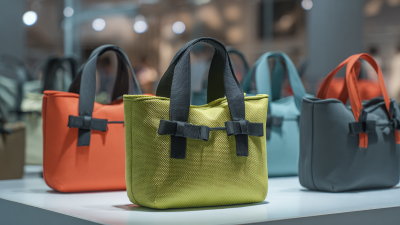
The best Neoprene Beach Bag also reflects its intended market. A resort shop may prefer soft pastel colors and polished branding. A surf retailer may need stronger handles, larger capacity, and easy-clean interiors. Custom logo placement should remain visible without making the design feel crowded.
Price still matters. It is not everything.
A low quotation can hide weak materials, inconsistent sizing, or expensive replacement orders. Ask for samples, measurable specifications, packaging details, and production timelines. Some buyers overlook odor and drying time. That is a mistake, though an understandable one.
Wholesale decisions are rarely perfect. Trends change, forecasts fail, and even good suppliers can miss a detail. Careful testing, clear communication, and honest comparison reduce those risks. This guide explores the practical checks behind a confident purchase.
What Makes Neoprene Beach Bags Suitable for Wholesale
Neoprene beach bags suit wholesale buyers because they combine practical performance with broad customer appeal. The material is flexible, lightweight, and resistant to splashes, making it useful near pools, beaches, and outdoor markets. Its soft surface also protects sunglasses, towels, and small electronic items from minor impacts. Customers notice that comfort.
From a sourcing perspective, neoprene supports consistent production across different sizes, colors, and handle designs. Suppliers can cut it accurately and add pockets, zippers, lining, or printed patterns. These options help wholesalers serve resorts, gift shops, event organizers, and seasonal retailers. Before placing a large order, request samples and inspect stitching, handle attachment, zipper movement, seam strength, and dimensional tolerance. A filled bag should remain balanced, not twist toward one side.
Neoprene is water-resistant, but it is not automatically waterproof. This detail is often overlooked. Ask for material thickness, colorfastness, odor control, cleaning instructions, and aging test results under sunlight. I have found that a strong first sample can still reveal weak handles during repeated use. That is why practical testing matters more than appearance alone. Check packing volume, carton protection, and production consistency between sample approval and final delivery. A low unit price may become costly when odor, uneven printing, or loose seams create returns. Reliable wholesale selection depends on measurable quality, honest specifications, and a design customers can use repeatedly.
How to Define Your Wholesale Buyers and Usage Requirements
Choosing a wholesale neoprene beach bag starts with understanding who will buy it and how they will use it. A resort shop may need bright colors, compact storage, and quick-drying fabric. A supermarket buyer may value lower cost, simple packaging, and stable stock. Online sellers often need attractive photos and dependable measurements. Their priorities are not identical.
Ask practical questions before comparing samples. Will customers carry wet towels, sunscreen, toys, or groceries? A family beach bag may need reinforced handles and a wide opening. A hotel gift shop may prefer lightweight bags with clean, neutral colors. Check the expected order quantity, target price, delivery season, and storage space. These details shape the right bag more than appearance alone.
Test a sample in realistic conditions. Place two towels, a water bottle, and small accessories inside. Lift it repeatedly and inspect the seams, handle attachment, lining, and base. Neoprene can feel soft and protective, but thickness may affect weight and shipping cost. Measure the bag when empty and loaded. Small size differences can create customer complaints.
Do not rely only on a supplier’s specification sheet. I have seen attractive samples fail when handles were pulled at an awkward angle. That mistake is easy to miss. Ask for material composition, color consistency, packaging details, and inspection records. A useful buyer profile may remain imperfect, so review it after early sales. Real customer feedback can reveal needs that a planning meeting overlooked.
How to Choose the Best Neoprene Beach Bag for Wholesale
Match the bag specification to the wholesale buyer’s primary use case. Capacity, handle drop, and neoprene thickness are practical requirements that help define the right product for resort shops, swim retailers, outdoor stores, and promotional buyers.
Resort and beach retailers generally need larger capacities for towels and clothing, while swim-focused buyers prioritize compact formats for wet swimwear. Thicker neoprene can improve structure and cushioning, but it also increases material use and product weight.
Which Neoprene Materials and Bag Features Should You Compare
How to Choose the Best Neoprene Beach Bag for Wholesale
When comparing neoprene materials, check thickness, density, stretch, and surface finish. A 3–5 mm fabric often balances structure and carrying comfort. Thicker neoprene feels stronger, but it may increase shipping costs. Ask for material composition, because neoprene blends can differ in softness and recovery. Check odor after unpacking. Strong chemical smells may suggest poor storage or unfinished processing. I have found that touch alone is unreliable. A soft sample can still lose shape under weight.
Compare practical bag features beside the material. Reinforced handles should support wet towels, bottles, and daily beach items without twisting. Examine stitch spacing, seam binding, lining quality, and zipper movement. A wide opening helps users find small items quickly. Interior pockets add value, but extra panels can raise production costs. Request load tests, colorfastness checks, and measurements after washing. Dimensions sometimes change slightly. That detail matters for wholesale consistency.
Tips: Order samples from the same production batch when possible. Fill each bag with realistic items, then carry it for several minutes. Test the handles while the bag is damp. Ask for tolerance ranges, packaging details, minimum quantities, and replacement procedures. Do not compare prices alone. A cheaper bag may require stronger packaging or create more returns. My own comparison process is not perfect; supplier data can miss real handling problems. That is why repeated sample testing remains worthwhile.