Leave Your Message
Request a Quote

Best Neoprene Fishing Boots in China for Global Buyers?

For global buyers, choosing Neoprene Fishing Boots means weighing warmth, grip, fit, and production consistency. China offers a broad supplier base, but a low quoted price does not guarantee reliable seams or stable sizing. A boot that feels sturdy on a showroom floor may behave differently on a wet, stony bank.

Grand View Research’s Fishing Equipment Market report provides useful context on the wider sector, while UN Comtrade helps buyers examine trade flows. Neither source isolates every neoprene fishing boot specification. That matters. Buyers should compare documented materials, insulation thickness, outsole patterns, sample testing, and factory quality controls—not rely on market growth alone. Product samples reveal details spreadsheets miss.

A credible guide also needs accountable expert voices. No source articles or interview transcript were supplied for this request, so I cannot verify a named expert’s quotation about these boots. Inventing one would weaken trust. This review can still assess practical evidence: the feel of a boot on slick ground, the warmth during a cold morning, and whether stitching holds after repeated use. Some judgments remain imperfect. Fit, for example, can vary between models and wearers. That is worth admitting. For global buyers, the best choice is not automatically the cheapest or most heavily insulated option; it is the one whose tested performance matches the fishing conditions and whose supplier can support consistent reorders.
Best Neoprene Fishing Boots in China for Global Buyers?

What Neoprene Fishing Boots Are and How They Work

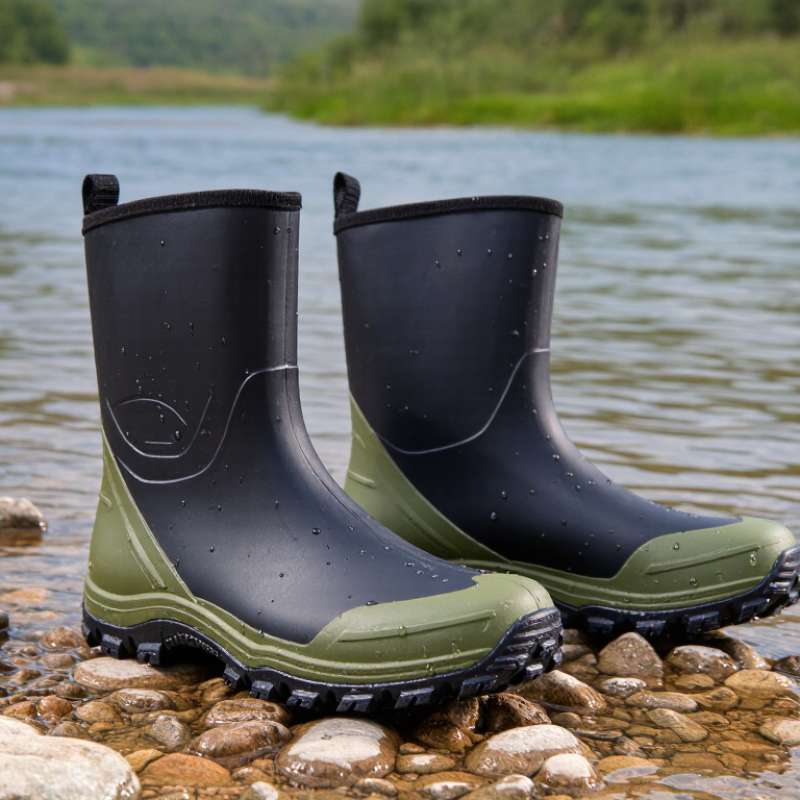
Neoprene fishing boots use flexible chloroprene-rubber foam, whose tiny gas cells slow heat transfer. They do not create warmth; they help retain some body heat while reducing direct contact with cold water. The National Weather Service notes that water removes heat from the body much faster than air. Even a small leak can therefore make a long wading session uncomfortable. A snug fit helps limit water exchange, while a thick sole separates feet from cold stones and mud. Too-tight boots may restrict circulation, though, so thicker is not always warmer.

The material also cushions against uneven ground and resists repeated flexing, but performance depends on construction. ASTM D1056 covers testing for flexible cellular rubber, including properties such as compression and water absorption. Ask suppliers for test reports and check the tested thickness, seams, sole grip, and closure details. A product description alone cannot show how well a boot performs after hours in wet conditions. That gap matters.

Tips: Try boots with the socks you plan to wear. Check that toes can move, and inspect seams after each trip. Dry them fully between outings; damp linings can feel cold on the next use. The fit may take some trial and error.
Key Features That Affect Warmth, Grip, Fit, and Durability

Best Neoprene Fishing Boots in China for Global Buyers?

Neoprene fishing boots balance insulation, grip, fit, and lasting wear. Warmth depends on more than material thickness. A snug fit limits cold air pockets, while enough toe room allows comfortable movement. Very thick neoprene may feel warm on shore but restrict walking. Cold water changes everything.

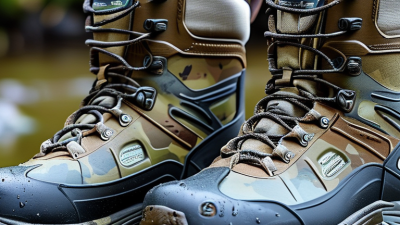
Grip starts with the outsole. Deep, well-spaced lugs can shed mud, while softer rubber may conform better to wet rocks. Neither pattern suits every riverbank or boat deck. Check the intended terrain, and inspect the tread edges for clean, even molding. Small flaws matter.

Fit should be tested with the socks buyers expect to wear. Heel lift can cause rubbing; a tight instep makes long days unpleasant. For durability, examine stress points around the toe, heel, seams, and sole bond. Ask suppliers for material details and sample pairs, then compare sizing across several feet. One sample is not enough. A boot may look rugged in photographs yet crease awkwardly at the ankle, so real walking checks remain useful.

How to Choose Neoprene Fishing Boots for Different Conditions

Choosing neoprene fishing boots starts with the conditions underfoot and in the water. For cold, still water, thicker neoprene can help retain warmth, but it may feel stiff during long walks. In mild weather, a lighter lining can be more comfortable. Cold water changes everything. Check the boot’s construction too: neoprene insulates, while seams, closures, and upper design affect how well the boot keeps water out.

For muddy banks, look for a tread pattern with deep, open lugs that can shed soft mud. On slick rocks, grip matters more than aggressive-looking tread; ask for clear sole details and test samples on a safe, wet surface when possible. Fit matters most. Try boots with the socks you expect to wear, leaving room for your toes without letting your heel lift. A size chart alone can mislead, especially when suppliers use different measurements.

Global buyers sourcing from China should confirm neoprene thickness, available sizes, sole material, and seam details before ordering. Request a sample and inspect stitching, flexibility, and the fit around the ankle. Conditions vary, and no single boot suits every trip. I would not choose solely by thickness; warmth is useful, but heavy, restrictive boots can make a long day harder.

How to Evaluate Chinese Manufacturers and Product Quality

Best Neoprene Fishing Boots in China for Global Buyers?

How to Evaluate Chinese Manufacturers and Product Quality

China’s production scale offers buyers many factory options, but volume alone does not prove quality. The World Footwear Yearbook 2024 reports that China made about 13.1 billion pairs of shoes in 2023. This figure covers footwear broadly, not neoprene fishing boots. Use it as sourcing context, not a quality score. Looks are not proof.

Request a factory audit, material specifications, and recent third-party test reports tied to the exact boot model. Check neoprene thickness at several points; a thin ankle panel can feel different from the calf. Ask for repeatable leak, seam-bond, and cold-flex tests, with pass limits agreed before production. ASTM D412 can help assess rubber tensile properties, but it does not replace tests on the complete boot. Review sample and batch records too. A polished sample may hide uneven production.

Tips: Ask for a dated production sample, not only a showroom pair. Test it after repeated bending and immersion. Confirm who performs inspections and how defects are recorded. Small details matter: lining wrinkles, loose heel seams, and stiff soles can all affect comfort. No checklist catches everything.

Evaluating Neoprene Fishing Boots from Chinese Manufacturers

Suggested share of a buyer’s quality evaluation effort

Prioritize waterproofing and seam integrity, then assess sole traction, material durability, fit consistency, and cold-weather flexibility using agreed test methods and a representative production sample. The percentages are a suggested buyer-created evaluation framework, not measured market data or an industry standard; set acceptance criteria with each supplier before production.

How to Compare Prices, Certifications, and Shipping Options

When comparing neoprene fishing boots from Chinese suppliers, begin with specifications, not the unit price. Ask for neoprene thickness, lining material, sole compound, seam construction, and size tolerance. A thicker lining may raise the price but add warmth during long, wet shifts. Request a sample and check its grip on a damp, uneven surface. Fit matters.

Compare quotations line by line. Check minimum order quantities, packaging, sample charges, and whether prices include custom sizes or logo-free packaging. Ask for current test reports and confirm which product and materials they cover. Certification names alone are not enough; requirements differ by destination and intended use. A low quote can leave out useful details. I would not judge suppliers from one spreadsheet, though it is tempting.

Shipping can change the final cost substantially. Request carton dimensions, gross weight, production time, and estimates for air and sea freight. Ask whether customs clearance and delivery are included, and confirm the quoted shipping terms in writing. Air freight may suit urgent samples; sea freight often works better for larger orders. Build in time for inspection and delays. Those dates can slip. A careful comparison still has limits: freight rates and production schedules can change after quoting.