Choosing the right Neoprene Sports Supporter in 2026 requires more than comparing colors, prices, and product photos. Global buyers now examine support level, material quality, sizing accuracy, comfort, and supplier reliability. A knee sleeve may suit controlled compression, while a hinged knee brace can provide stronger stability during demanding movement. An ankle support, wrist wrap, elbow sleeve, or back belt serves a different purpose. The best choice depends on body area, activity, injury history, and professional advice.
This guide reviews the leading Neoprene Sports Supporter types for international purchasing teams, retailers, coaches, and active consumers. It considers practical details that buyers can verify. These include neoprene thickness, stitching strength, edge binding, hook-and-loop durability, breathability, and skin contact. A good supporter should feel secure without causing numbness, excessive heat, or restricted circulation. Product measurements must match real body dimensions, not assumptions based on weight alone. Small sizing errors can become expensive returns.
Real-world testing still matters. A product may look excellent online but curl behind the knee after ten minutes. That detail is easy to miss. Supplier documentation, transparent material information, consistent quality control, and responsive communication also deserve attention. Buyers should check applicable import rules and product claims in each destination market. No single supporter fits every user or sport. That limitation matters. Even experienced buyers can overlook washing instructions or long-term odor resistance. The following overview compares major types and highlights where each option performs well, where it may disappoint, and what responsible global buyers should confirm before ordering.
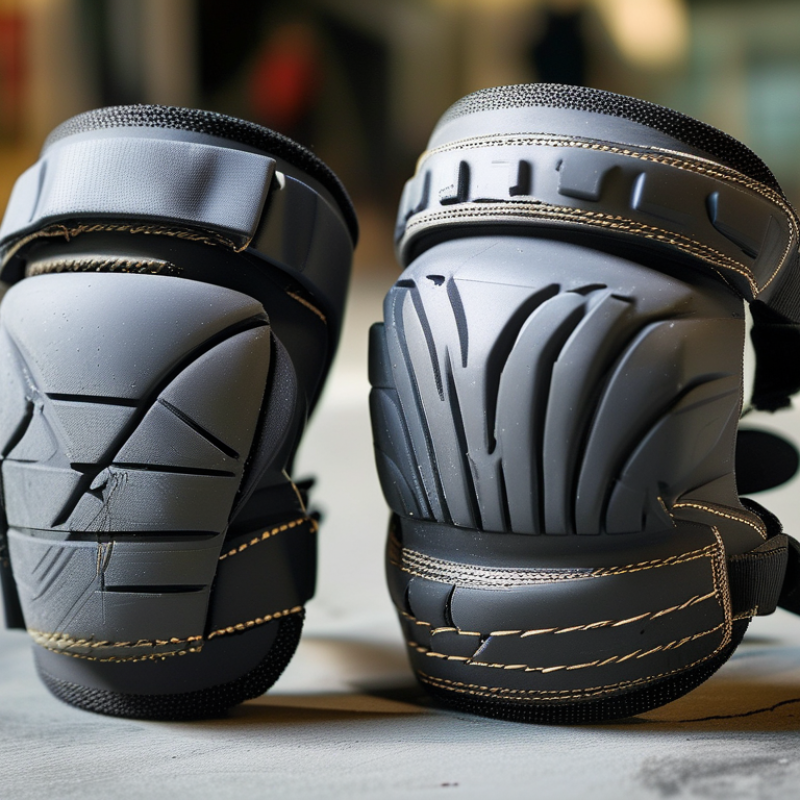
Neoprene sports supporters are wearable aids made from flexible foam rubber. They wrap joints or muscles during training, recovery, or daily movement. Common types include knee sleeves, elbow supports, wrist braces, ankle supports, and back belts. Each design serves a different movement pattern. A knee sleeve may improve warmth and compression, while a wrist brace can limit unwanted bending.
The core material is usually synthetic chloroprene rubber, covered with nylon or polyester fabric. Neoprene provides stretch, insulation, and gentle pressure. Nylon improves surface durability, while polyester can support color stability and moisture management. Thickness matters. Thin sheets feel cooler and allow easier movement. Thicker foam may provide stronger warmth, but it can feel bulky during long sessions. Hook-and-loop straps, elastic panels, and shaped seams help adjust fit.
Fit is not a minor detail. A supporter should stay in place without causing numbness, sharp pressure, or restricted circulation. Global buyers should check size ranges, material composition, stitching quality, odor control, and cleaning instructions. Sampling different body shapes is practical. One sample is not enough. In real use, sweat, repeated washing, and uneven movement reveal weaknesses that product photos hide. No material is perfect. Neoprene may retain heat, and some users may dislike its smell or limited breathability. Buyers should request performance data carefully and avoid treating marketing language as medical evidence.
2026 Top Neoprene Sports Supporter Types for Global Buyers
Neoprene sports supporters serve different body areas, and each design needs a specific fit. Knee sleeves provide warmth and moderate compression during running, lifting, or court sports. Ankle supports help limit unwanted movement while preserving practical flexibility. Wrist wraps suit repetitive training, though excessive tightness can cause discomfort. Material thickness matters. Thicker neoprene retains more heat, while lighter fabric feels easier during long sessions.
Elbow sleeves are useful for controlled compression around the joint, especially during pressing exercises. Shoulder supports often use adjustable straps to improve stability without fully restricting arm movement. Lower-back supporters usually include wider panels and fastening bands for a secure fit. Thigh supports can reduce shifting and rubbing during sprinting or field activities. In real purchasing projects, sizing errors remain common. A support that looks strong may still fail if its seams twist during motion.
Tips: Check the body-area measurement chart, not only the usual clothing size. Look for flat seams, breathable lining, and secure closures. Test the supporter with normal movement before demanding exercise. Compression should feel firm, never numb. Buyers should also review washing instructions, because repeated heat can weaken neoprene. One practical detail is often missed: users may need different sizes for each body area. Pairing comfort with support is not always simple.
Matching a neoprene supporter to the sport matters more than choosing the thickest design. Neoprene adds warmth, light compression, and flexible support around moving joints.
For running, a slim knee sleeve can reduce unwanted movement while preserving stride comfort. A volleyball player may prefer a padded knee supporter for repeated floor contact. It should not restrict normal bending.
Football, basketball, and court sports often need ankle support with adjustable straps. This design helps manage rolling forces during quick direction changes.
A hinged knee brace may suit athletes returning from ligament concerns, but it requires professional assessment. For weight training, wrist wraps can support loaded extension, while elbow sleeves offer warmth during pressing movements. Tightness must remain comfortable.
Cyclists and rowers may benefit from lower-back or elbow support when posture creates repeated strain. Check the supporter during a short warm-up, not only while standing still. Look for smooth edges, stable seams, and skin-safe lining.
Stop using it if numbness, discoloration, or sharp pain appears. A supporter cannot correct poor technique or replace rehabilitation.
This is easy to forget.
In practice, buyers sometimes choose excessive compression because it feels protective, yet reduced circulation can undermine performance. Measure the body area carefully, follow the supplier’s size chart, and reassess the fit after several sessions.
2026 Top Neoprene Sports Supporter Types for Global Buyers
Global buyers often choose neoprene knee, elbow, ankle, wrist, and back supporters. Each type serves a different movement and stability need. A knee supporter should follow the joint without folding behind the leg. An ankle sleeve must stay firm during quick direction changes. Wrist supports need controlled compression without limiting grip.
Fit comes before appearance. Measure the body area, then compare the supplier’s size chart carefully. Compression should feel steady, not numb or restrictive. During product checks, I look for smooth seams, firm edges, and even pressure across the neoprene. A practical trial includes squats, walking, lifting, and repeated bending. Real movement reveals problems that a flat product photo cannot show.
Comfort matters over several hours. Soft lining, breathable panels, and moisture control can reduce skin irritation. Durability depends on neoprene density, stitching, edge binding, and resistance to repeated washing. Buyers should request material specifications, test reports, and sample units before placing large orders. Still, no size chart is perfect. Body shapes vary between markets, and some compression preferences remain difficult to predict. Field feedback may expose a design flaw after production has already started. That risk deserves attention.
| Supporter Type | Primary Body Area | Typical Neoprene Construction | Fit and Closure | Compression Level | Durability Profile | Comfort Profile | Best-Fit Buyer Requirement | Common Applications |
|---|---|---|---|---|---|---|---|---|
| Knee Sleeve | Knee | 3–5 mm perforated or solid neoprene; flatlock or blind stitching; reinforced edge binding | Pull-on cylindrical fit; size selection should follow thigh and calf measurements | Moderate to firm | High | Moderate to high | Balanced support for training, lifting, cycling, and general joint warmth | Strength training, running support, recreational sports, outdoor activities |
| Patella Stabilizing Knee Brace | Knee and patella | 4–5 mm neoprene with an open-patella design, patellar ring, or stabilizing side stays | Adjustable hook-and-loop straps allow tension control and easier fitting | Firm and targeted | High | Moderate | Controlled patellar positioning and adjustable support during movement | Weight training, court sports, hiking, and users requiring targeted knee support |
| Elbow Sleeve | Elbow | 3–4 mm stretch neoprene with contoured panels and reinforced seams | Close anatomical fit; cuff length commonly extends above and below the elbow | Moderate | High | High | Warmth and light compression without significantly limiting elbow flexion | Weightlifting, tennis, golf, volleyball, and repetitive-motion activities |
| Wrist Support | Wrist and lower forearm | 2–3 mm flexible neoprene; thumb loop; reinforced wrist strap | Wraparound hook-and-loop closure with adjustable tension | Moderate to firm | High | Moderate to high | Adjustable stabilization while preserving finger movement and grip access | Fitness training, racket sports, cycling, work-related repetitive motion |
| Ankle Support | Ankle and lower leg | 3–5 mm neoprene with heel opening; optional figure-eight or cross straps | Slip-on or wraparound design; heel opening improves positioning and mobility | Moderate to firm | High | Moderate | Secure ankle coverage with a low-profile fit inside most athletic footwear | Running, basketball, football, volleyball, hiking, and court sports |
| Shoulder Support | Shoulder and upper arm | 2–3 mm lightweight neoprene with armhole panels and adjustable chest straps | Cross-body or wraparound fit; adjustment is important for left- and right-side use | Light to moderate | Moderate to high | Moderate | Warmth and body awareness with freedom for overhead movement | Swimming, baseball, volleyball, fitness, and outdoor activities |
| Back Support Belt | Lower back and waist | 3–5 mm neoprene body with elastic panels, lumbar stays, or double compression straps | Wide wraparound profile; waist measurement is more reliable than clothing size | Firm and adjustable | High | Moderate | Strong abdominal and lumbar compression for lifting or prolonged activity | Gym training, manual handling, warehouse work, gardening, and outdoor tasks |
| Thigh Compression Sleeve | Upper leg and thigh | 2–4 mm stretch neoprene with anti-slip inner print or silicone grip bands | Contoured pull-on fit; thigh circumference is the key sizing measurement | Moderate | Moderate to high | High | Muscle warmth and compression with minimal bulk during running or field sports | Football, cycling, running, basketball, skiing, and general training |
| Calf Compression Sleeve | Calf and lower leg | 2–3 mm lightweight neoprene or neoprene-blend stretch fabric; breathable panels may be added | Pull-on tapered fit; calf circumference should be checked before purchase | Light to moderate | Moderate to high | High | Low-profile warmth and compression suitable for long-duration wear | Running, cycling, hiking, travel, skiing, and recovery-oriented use |
| Groin and Hip Support | Hip, groin, and upper thigh | 2–4 mm flexible neoprene with elastic leg straps and adjustable waist belt | Multi-point adjustable fit; leg openings must remain secure without restricting circulation | Moderate | Moderate to high | Moderate | Stable fit for directional movement and support around the hip and groin area | Football, hockey, martial arts, tennis, running, and mobility training |
2026 Top Neoprene Sports Supporter Types for Global Buyers
Sizing, Compliance, Customization, and Supplier Evaluation Essentials
Knee, wrist, ankle, elbow, and back supporters remain popular across international sports markets. Buyers should match each design with its movement, pressure, and wearing duration. A knee sleeve may need flexible compression, while an ankle brace may require stronger stabilization. Accurate sizing matters. Measure the body area directly, then compare measurements with the supplier’s chart. Do not rely only on small, medium, or large labels. In product evaluations, I have seen identical sizes fit differently because neoprene thickness and seam tension changed. A perfect fit is not always realistic.
Tips: Request pre-production samples in several sizes. Test them during movement, sweating, washing, and repeated fastening. Check edge comfort, odor, color transfer, and recovery after stretching. Keep written measurements and approval records.
Customization can include thickness, ventilation panels, hook-and-loop closures, stitching, packaging, and neutral labeling. Compliance checks should cover material composition, restricted substances, labeling language, and destination-market documentation. Requirements differ by country, so suppliers should provide current test reports and traceability records. Ask whether reports match the exact material and production site. Some reports look impressive but prove little. Supplier evaluation should include factory capability, quality controls, corrective-action history, production capacity, and communication speed. A remote audit helps, but it cannot replace physical samples and independent verification. I still leave room for revision after field testing. Real users often reveal pressure points that laboratory checks miss.
The chart shows common neoprene thickness ranges used for sports support products. Thinner materials generally improve flexibility and breathability, while thicker constructions provide greater warmth, compression, and perceived support. Actual specifications vary by pattern, laminate, closure system, and intended activity.