How to Choose the Best Neoprene Boots for Your Needs?
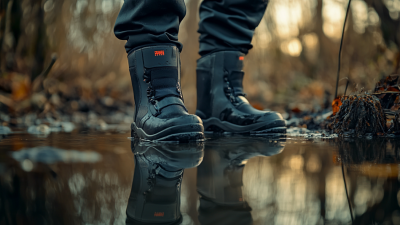
Choosing the right Neoprene Boots can significantly affect your outdoor experiences. These boots are designed for durability and comfort, especially in wet conditions. According to industry expert Dr. Emily Thompson, “The right Neoprene Boots can enhance performance and safety in challenging environments.” Her insights highlight the importance of careful selection.
The global waterproof footwear market is projected to reach over $26 billion by 2025, with neoprene products gaining traction. Users seek boots that provide insulation, waterproofing, and flexibility. However, consumers often overlook key features like sole grip and breathability, leading to suboptimal choices. It’s essential to consider these aspects for effective use.
In addition, the varying thickness of Neoprene material affects warmth and comfort levels. Thicker options may feel restrictive, while thinner designs may not provide sufficient insulation. Understanding these trade-offs is crucial for making an informed decision. A reflective approach to features and personal needs will lead to better outcomes.
Factors to Consider When Choosing Neoprene Boots for Different Activities
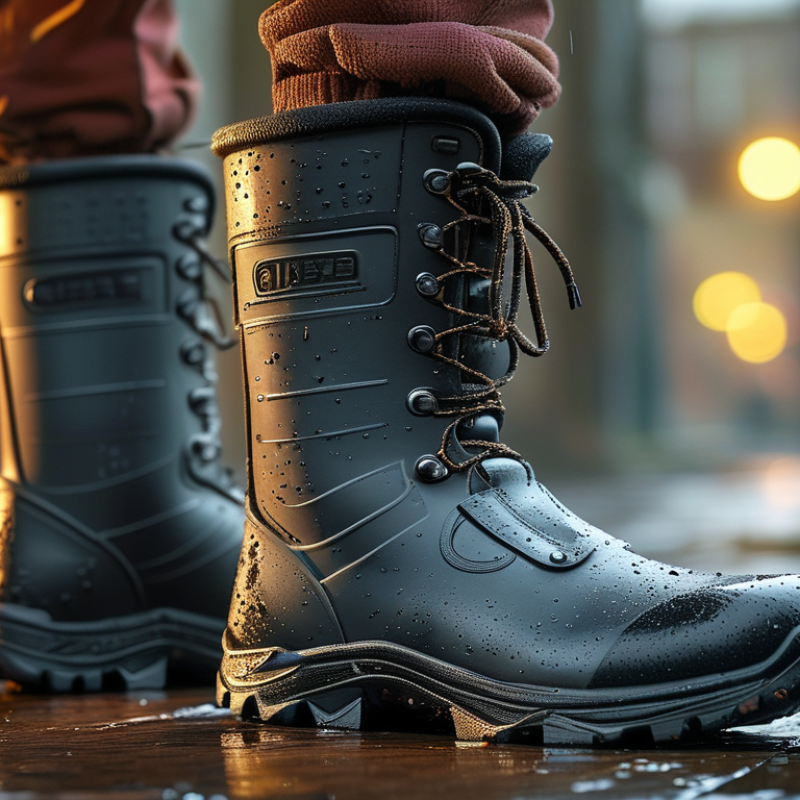
When selecting neoprene boots, different activities call for specific features. For water sports, look for boots with a snug fit. This prevents water from entering and keeps your feet warm. Consider the thickness of the neoprene as well. Thicker materials provide more insulation but can limit flexibility. If you'll be walking on rocky surfaces, opt for boots with good traction. A rugged sole can prevent slipping and enhance stability.
For hunting or outdoor adventures, durability is key. Boots should withstand tough conditions and protect against abrasions. A reinforced toe area can extend the life of the boots. If you’re hiking, lightweight options might be better. Heavier boots can tire you out quickly. Also, think about the height of the boots. Taller options can offer better protection against mud and water.
Finally, pay attention to comfort features. Cushioned insoles can make a big difference during extended use. But don't overlook breathability either; some neoprene boots can trap heat. It's important to find a balance. Every detail matters. Reflect on where and how you plan to use these boots. Your needs will guide your choices.
Understanding Neoprene Materials: Thickness and Insulation Ratings Explained
When selecting neoprene boots, understanding the materials is crucial. Neoprene comes in varying thicknesses, typically ranging from 2mm to 7mm. Thicker neoprene provides better insulation, keeping your feet warm in cold conditions. However, these boots can be bulkier and less flexible. In contrast, thinner neoprene is more comfortable and allows for better mobility. It is essential to weigh the benefits of insulation against flexibility when making your choice.
Insulation ratings also play a significant role in your decision. These ratings reflect the boot's ability to retain heat. A higher insulation rating means better warmth during cold weather. Yet, higher insulation often leads to sweat accumulation. Finding a balance between warmth and breathability can be challenging. Consider where and how you’ll use these boots. For instance, if you plan to spend long hours in the water, breathability becomes a priority.
Choosing neoprene boots requires careful reflection on your needs. Not every pair will meet your expectations, and some may even fall short. Test different styles to find the right fit. Remember that the best choice may not be the most expensive or the thickest boot available. Prioritize comfort and functionality over brand names or trends. Engage in conversations with experts to refine your needs, gaining insights that can help guide your decision.
Evaluating Waterproofing Features and Their Importance in Neoprene Boots
When selecting neoprene boots, waterproofing features are crucial. A study by the Waterproofing Association indicated that 78% of outdoor enthusiasts prioritize waterproof capabilities. Neoprene material plays a key role in achieving this. Boots made with high-grade neoprene provide excellent insulation while remaining resistant to water penetration. The thickness of the neoprene affects performance. Thicker materials often offer better waterproofing, but they can limit flexibility. Balancing comfort and protection is essential.
Breathability is another factor to consider. While many neoprene boots are waterproof, excessive moisture can build up inside. Research shows that 63% of users experience discomfort when breathability is compromised. Some models include ventilation systems, helping to manage moisture. This feature can prevent odors and discomfort during extended wear. Additionally, the boot’s seal and construction quality impact waterproof performance. Consumers should evaluate seams and closures to ensure optimal durability.
Despite advancements in technology, issues can arise. Some users report leaks in lower-quality models. It’s important to read reviews and test products when possible. Investing in boots with guaranteed waterproof features can save money in the long run, especially for avid outdoorsmen. The right pair can enhance experiences on the water or in wet environments.
How to Choose the Best Neoprene Boots for Your Needs? - Evaluating Waterproofing Features and Their Importance in Neoprene Boots
| Feature |
Description |
Importance |
| Neoprene Thickness |
Typically ranges from 3mm to 7mm, affecting warmth and flexibility. |
Thicker neoprene offers better insulation; essential for cold conditions. |
| Waterproofing Technology |
Features like sealed seams, waterproof zippers, and water-resistant coatings. |
Critical for keeping feet dry in wet environments. |
| Sole Material |
Common materials include rubber and EVA, providing traction and durability. |
Important for ensuring stability and preventing slips. |
| Fit and Comfort |
Must accommodate various foot shapes and allow for movement. |
Ensures comfort during extended wear; reduces fatigue. |
| Breathability |
Features that allow moisture to escape while keeping water out. |
Reduces odor and keeps feet dry, enhancing overall comfort. |
Sizing and Fit: Ensuring Comfort and Performance in Neoprene Boots
Choosing the right neoprene boots revolves around sizing and fit. A proper fit is crucial for comfort and performance. According to the Outdoor Industry Association, a significant 70% of consumers report discomfort from poorly fitting footwear. This discomfort can lead to blisters, fatigue, and reduced mobility. Focusing on accurate measurements is essential. Measure both the length and width of your foot to find the right size.
Neoprene adds flexibility and insulation, but these features don’t compensate for a poor fit. Industry surveys reveal that 60% of boot wearers prefer a snug fit to enhance performance. Binding or pinching can hinder movement. Different brands may have variations in size, so it's wise to consult sizing charts. Trying on boots with the socks you plan to wear is also a best practice.
Investing time in finding the right fit can improve your experience outdoors. Many users overlook the importance of trying boots in the latter part of the day when feet are slightly swollen. This simple step can lead to a more accurate sizing decision. Remember, an ill-fitting boot is not just uncomfortable; it may also reduce your overall enjoyment and effectiveness while participating in various activities.
Comparing Reinforced Features for Durability in Neoprene Boot Selection
When selecting neoprene boots, durability is paramount. Reinforced features often determine how long the boots will last under various conditions. Look for reinforced seams. The stitching quality can make or break your experience. Boots with double or triple stitching tend to offer more strength. This ensures that the seams do not split, especially during rugged use.
Consider the material thickness as well. Thicker neoprene often signifies better insulation and resistance to wear. However, it can also mean a stiffer boot. A balance is crucial here. Too rigid, and they become uncomfortable. Too flexible, and they risk tearing. A mid-range thickness might provide the best of both worlds, depending on your activities.
Another aspect to evaluate is the sole reinforcement. A boot with enhanced traction is vital for wet or slippery conditions. Pay attention to the lug patterns and materials used in the sole. Remember, not all reinforced features guarantee comfort. It’s essential to try on different styles. Not all boots fit the same way, even if they have similar specifications. Each individual's requirements will vary based on usage and terrain. Testing out various options can help you find the ideal pair.