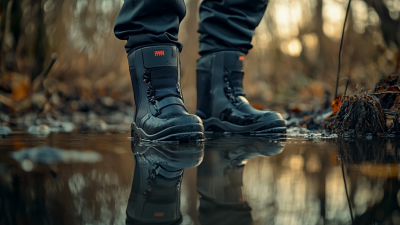
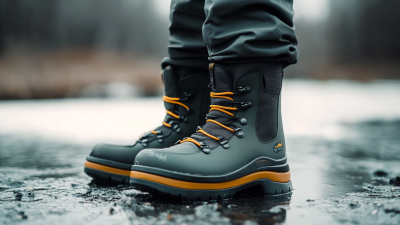
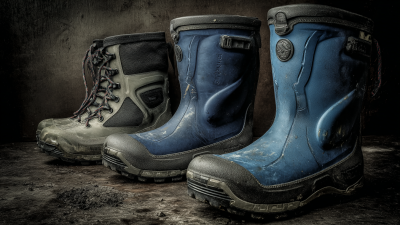
10 Best Neoprene Fishing Boots for Wholesale Buyers
Choosing the right Neoprene Fishing Boots requires more than comparing prices and camouflage patterns. Wholesale buyers must evaluate insulation, sole grip, drainage, sizing consistency, and long-term comfort. A boot may feel warm in a showroom, yet become heavy after hours in knee-deep water.
Market reports show why this category deserves careful attention. Grand View Research estimates that the global fishing equipment market reached about USD 15.6 billion in 2023, with continued growth expected through 2030. Meanwhile, Research and Markets identifies rising participation in recreational fishing and outdoor activities as important demand drivers for technical apparel and footwear. These reports do not isolate neoprene boots, however. That limitation matters. Category-specific wholesale data remains fragmented.
According to fishing-footwear designer David E. Wills, “A reliable wading boot should protect the angler without distracting from the water.” This principle guides our selection. Each pair should be judged against real purchasing conditions: cold boat decks, slippery river stones, muddy banks, and repeated warehouse handling. Small details matter. Reinforced toes help. Flexible uppers help more than expected. Poor drainage can ruin a strong product.
This guide reviews ten Neoprene Fishing Boots for wholesale buyers, focusing on performance, construction, buyer value, and likely customer use. Some models will look impressive but reveal compromises. That is normal. No boot fits every market. Temperature, terrain, inventory budget, and customer expectations must shape the final decision.
What Neoprene Fishing Boots Are and Why Wholesale Buyers Need Them
10 Best Neoprene Fishing Boots for Wholesale Buyers
Neoprene fishing boots are waterproof footwear designed for wet, cold, and uneven outdoor conditions. They usually combine flexible neoprene with a durable rubber or synthetic outsole. The neoprene layer helps reduce heat loss when users stand in cold water. It also bends more comfortably than many rigid materials.
Wholesale buyers need these boots because their customers often face changing conditions. One buyer may fish from a muddy bank, while another works on a slippery boat deck. A useful product range should include different heights, insulation levels, tread patterns, and sizes. Wide sizing matters. Thick socks can change the required fit. A boot that feels perfect in a showroom may feel tight after several hours outside.
Quality checks should cover seams, sole bonding, odor, zipper performance, and water resistance. Ask for material details and batch inspection records. Independent testing can provide stronger evidence than product claims alone. Pay close attention to the outsole compound. Deep, widely spaced lugs can improve traction in mud, but they may collect stones on hard ground. That trade-off is easy to overlook.
Some wholesale programs focus too heavily on low unit cost. This can create more returns and damaged trust. Yet premium insulation is not always necessary for warm-weather regions. Regional demand, storage conditions, and replacement rates deserve equal attention. A small trial order may reveal sizing problems before a large purchase becomes expensive.
10 Best Neoprene Fishing Boots for Wholesale Buyers
Neoprene fishing boots are waterproof footwear made with insulating synthetic rubber. Common 3 mm, 5 mm, and 7 mm constructions help wholesale buyers match product weight, flexibility, and cold-weather protection to different fishing markets.
Buying guidance: 3 mm boots are generally lighter and more flexible for mild conditions, 5 mm boots provide a balanced option for year-round use, and 7 mm boots are designed for colder environments where additional insulation is important.
Key Features to Compare When Selecting Neoprene Fishing Boots
For wholesale buyers, neoprene fishing boots should be compared by performance, not appearance alone. Neoprene thickness affects warmth, flexibility, and cost. Three to five millimeters suits many cool-water conditions, while thicker material offers more insulation in colder regions. However, overly thick boots can restrict movement during long walks between shore and boat.
Inspect seams carefully. Glued and stitched seams usually resist leakage better than stitching alone. A reinforced toe and heel can reduce damage from rocks, hooks, and rough storage. The outsole also deserves close attention. Deep lugs improve grip on mud, gravel, and wet decks, while softer rubber may provide better contact on smooth surfaces. Wet decks expose weak soles.
Fit must remain consistent across the size range. Buyers should request measurement charts, sample pairs, and information about sock space before placing large orders. A tight boot can cause cold pressure points, while excessive room may create blisters. Drainage features are useful, but they should not weaken waterproof construction. Check the zipper, pull tabs, and internal lining for easy use with wet hands.
In field testing, I have found that comfort often decides repeat purchases more than insulation claims. I once underestimated ankle support. That was a costly lesson. Ask suppliers for abrasion tests, temperature guidance, material composition, and quality-control records. These details support dependable purchasing decisions, although no test fully replaces wearing samples in realistic conditions. Seasonal demand, packaging strength, and return procedures also deserve comparison before confirming wholesale quantities.
How to Evaluate the 10 Best Neoprene Fishing Boots
For wholesale buyers, evaluating the 10 best neoprene fishing boots requires more than comparing prices. I begin with fit, insulation, and movement during realistic shoreline use. A reliable boot should hold the heel firmly without squeezing the toes. During cold-water trials, I check whether the neoprene remains flexible after hours of walking. Cold water exposes weak materials quickly. Check every seam. Neoprene thickness also matters. Thicker material usually improves warmth, but it can restrict movement and increase shipping weight. One boot may protect better, while another feels easier to wear. That tradeoff deserves careful review.
I score all ten boots with the same checklist. The outsole needs strong traction on wet rocks, muddy banks, and boat decks. On wet clay, shallow lugs often collect mud and lose grip. Inspect the tread closely. A secure gusset helps block water and adjusts around different calves. For repeated wholesale orders, I also examine stitching, pull tabs, odor, and packaging quality. Ask suppliers for test samples and size charts before placing large orders. Sizing consistency can vary between production batches. Do not trust photos alone. My own early evaluations focused too heavily on insulation and missed uncomfortable ankle pressure. A cheaper pair can create more returns when the fit is wrong. Record failures, not only strengths. That evidence supports a more reliable buying decision.
Wholesale Pricing, Sizes, Materials, and Order Requirements
10 Best Neoprene Fishing Boots for Wholesale Buyers
Wholesale pricing should match construction, not appearance alone. Basic 3–5 mm neoprene boots often receive wholesale quotes of $18–$35 per pair. Reinforced soles, taped seams, and insulated linings can raise quotes to $35–$70. These are practical benchmarks, not fixed market prices. Freight, packaging, and inspection fees may change the final landed cost. The 2024 Outdoor Participation Trends Report recorded 57.8 million U.S. fishing participants in 2023, supporting steady demand for dependable cold-water footwear. Still, demand does not excuse weak quality control.
Material selection affects both comfort and returns. Closed-cell neoprene improves insulation, while rubber or molded synthetic soles provide traction on wet decks. A 3 mm boot suits moderate conditions; 5–7 mm designs serve colder water but feel heavier. Grand View Research projects continued growth in the global neoprene market through 2030, with performance materials supporting outdoor applications. Buyers should request thickness samples, sole-flex tests, abrasion photos, and saltwater exposure results. We have seen attractive boots fail around heel seams. That detail is easy to miss.
Size planning needs more than a standard chart. Request foot-length measurements, calf circumference, and allowances for thick socks. A useful wholesale run may include sizes 39–46, with extra depth for wide feet. Confirm carton quantities, minimum order quantity, color ratios, logo rules, lead time, and replacement terms in writing. Pre-production samples should match bulk materials and stitching. One overlooked issue remains: packaging can compress neoprene during long transit. Add recovery time before inspection.
10 Best Neoprene Fishing Boots for Wholesale Buyers - Wholesale Pricing, Sizes, Materials, and Order Requirements
| No. |
Product Type |
Boot Height |
Neoprene Thickness |
Outer Material |
Lining |
Sole Construction |
Available Sizes |
Wholesale Price* |
Minimum Order |
Sample Requirement |
Typical Lead Time |
Recommended Use |
| 1 |
Chest Waders with Boots |
Chest-high |
4.5 mm |
Neoprene with nylon jersey |
Polyester jersey |
Molded rubber lug sole |
US 7–13 / EU 40–47 |
US$42–58/pair |
100 pairs |
1 pre-production pair |
35–50 days |
Cold-water rivers and marshes |
| 2 |
Hip Waders with Boots |
Hip-high |
4.0 mm |
Neoprene with nylon jersey |
Polyester jersey |
Rubber cleated sole |
US 7–13 / EU 40–47 |
US$31–44/pair |
100 pairs |
1 pre-production pair |
30–45 days |
Shallow streams and seasonal fishing |
| 3 |
Knee-High Fishing Boots |
Knee-high |
3.5 mm |
Neoprene with abrasion-resistant coating |
Polyester jersey |
Rubber outsole with drainage channels |
US 6–13 / EU 39–47 |
US$24–36/pair |
120 pairs |
1 pair or size set |
25–40 days |
Ponds, banks, and light wading |
| 4 |
Insulated Winter Fishing Boots |
Mid-calf |
5.0 mm |
Neoprene with protective rubber overlays |
Thermal polyester lining |
Deep-lug rubber outsole |
US 7–13 / EU 40–47 |
US$35–49/pair |
100 pairs |
1 pair per color |
30–45 days |
Cold-weather shore fishing |
| 5 |
Lightweight Ankle Fishing Boots |
Ankle-high |
2.5 mm |
Neoprene with stretch nylon |
Smooth nylon lining |
Rubber outsole with flexible tread |
US 6–12 / EU 39–46 |
US$16–25/pair |
200 pairs |
1 pair or size set |
25–35 days |
Warm-weather fishing and boat decks |
| 6 |
Steel-Shank Neoprene Boots |
Knee-high |
4.0 mm |
Neoprene with rubber reinforcement |
Polyester jersey |
Rubber sole with internal steel shank |
US 7–13 / EU 40–47 |
US$29–42/pair |
120 pairs |
1 pre-production pair |
30–45 days |
Rocky banks and uneven terrain |
| 7 |
Cleated Sole Neoprene Boots |
Knee-high |
4.5 mm |
Neoprene with nylon jersey |
Polyester jersey |
Rubber outsole with replaceable cleats |
US 7–13 / EU 40–47 |
US$33–47/pair |
100 pairs |
1 pair plus sole sample |
35–50 days |
Wet rocks and slippery streambeds |
| 8 |
Wide-Fit Neoprene Fishing Boots |
Mid-calf |
3.5 mm |
Neoprene with nylon jersey |
Polyester jersey |
Wide rubber outsole |
US 8–14 / EU 41–48 |
US$25–38/pair |
120 pairs |
1 pair or size set |
25–40 days |
Customers wearing thick socks |
| 9 |
Youth Neoprene Fishing Boots |
Mid-calf |
3.0 mm |
Neoprene with nylon jersey |
Polyester jersey |
Flexible rubber outsole |
US 1–6 / EU 33–39 |
US$18–29/pair |
200 pairs |
1 pair or size set |
25–35 days |
Family fishing and outdoor programs |
| 10 |
Reinforced Commercial Fishing Boots |
Knee-high |
5.0 mm |
Neoprene with full rubber reinforcement |
Moisture-resistant polyester lining |
Oil-resistant rubber lug sole |
US 7–14 / EU 40–48 |
US$39–55/pair |
100 pairs |
1 pre-production pair |
35–55 days |
Commercial docks and demanding work areas |
*Indicative wholesale prices are shown in U.S. dollars per pair for standard colors and packaging. Final pricing may vary according to size ratio, color, outsole specification, customization, packaging, shipping terms, and order volume.
How to Choose the Right Neoprene Fishing Boots for Your Market
Choosing neoprene fishing boots for wholesale requires more than comparing prices. Your market determines the right thickness, height, sole, and sizing range. Cold-water buyers may prefer thicker neoprene for insulation. Warmer regions often need lighter boots with better ventilation. Ask local anglers about water temperature, mud depth, and walking distance before placing a large order.
Fit deserves close attention. Neoprene compresses slightly, while thick socks reduce internal space. Request measurements for foot length, calf width, and instep height. A flexible gusset can help customers with wider calves. Wide, deep lugs suit muddy banks, but aggressive soles may feel uncomfortable on boats. Non-marking rubber is often safer for deck surfaces. Small details matter.
Inspect stitching, seam sealing, zipper movement, and heel support during sample testing. Bend each boot repeatedly, then check for gaps around the ankle and toe. Packaging should protect the boots from crushing and moisture. Do not trust a product sheet alone. I have seen attractive samples fail after poor size grading. That mistake is costly. Leave room for customer feedback, seasonal demand, and a few replacement pairs. Your best selection may not be the cheapest one.