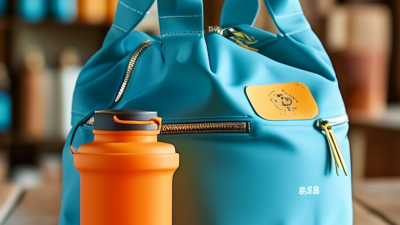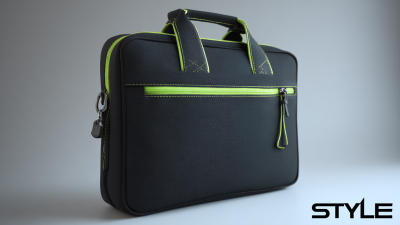
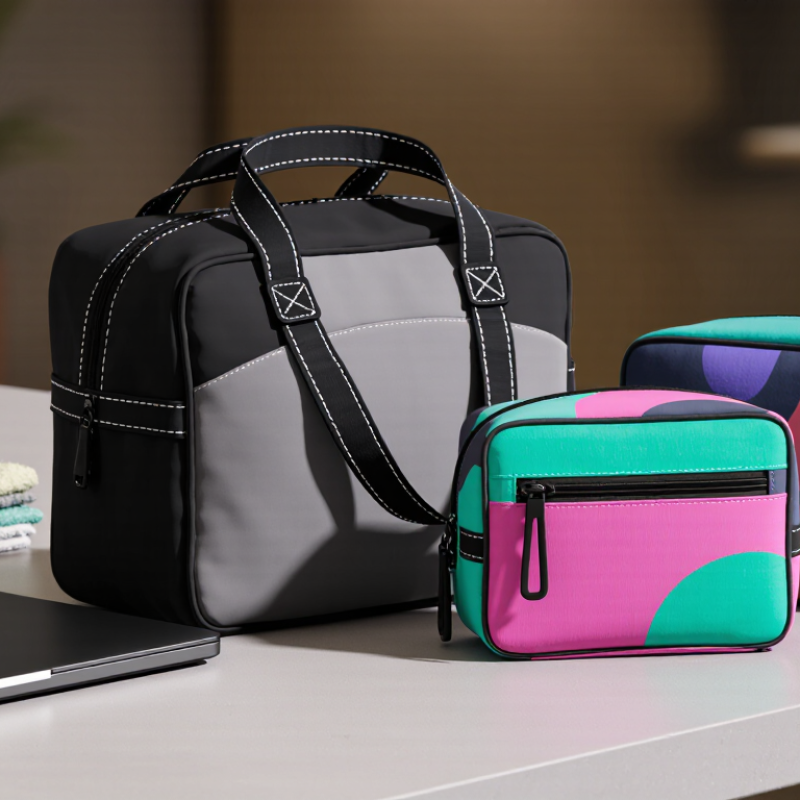
Across retail, gifting, and everyday carry, Neoprene Bags attract buyers with a blend of flexibility, light weight, and a clean, modern look. Their appeal is easy to picture: a soft-sided lunch tote beside a desk, or a colorful pouch that fits neatly into a travel bag. Neoprene can cushion contents and often holds its shape, while its smooth surface supports a wide range of colors and prints. That mix gives retailers room to serve different customers without changing the basic product. Not every use fits.
Global buyers also value practical details, not just appearance. Handle stitching, zipper quality, material thickness, and odor can affect how a bag feels after repeated use. A physical sample helps reveal details that a product photo cannot, including whether seams lie flat and the bag keeps its shape when loaded. Still, one sample does not tell the whole story; production batches and care habits may change the result. This is worth remembering.
This article explores the factors behind the product’s popularity, from everyday function and customization to purchasing and quality checks. It also considers the trade-offs buyers should weigh, such as cleaning needs, weight, and suitability for specific uses. Neoprene is not an automatic choice for every market or customer. Informed decisions start with clear specifications and realistic testing.
Neoprene bags use a soft, flexible sheet with a foam core, usually made from polychloroprene synthetic rubber. That core is commonly bonded to nylon or polyester fabric, creating a smooth outer face and a cushioned inner layer. The fabric adds color and abrasion resistance; the foam helps protect contents from bumps. It is not a rigid shell, though, and thin panels can crease under heavy loads.
Manufacturing varies by supplier and product. Rubber compounds are processed into sheets, foamed and cured, then laminated with fabric. After cooling, the material is cut into panels. Workers or automated equipment stitch, glue, or bind the edges, then attach zippers, handles, and linings. Grand View Research estimated the global neoprene market at about US$2.1 billion in 2022, with growth projected through 2030. This figure covers many applications, not bags alone, but it shows the material’s wider industrial use.
Small details matter. A bag’s feel depends on foam thickness, fabric, and seam construction. A smooth surface may look durable, yet repeated folding can still wear the laminate. Buyers should check panel thickness and seam finishing, rather than judge by softness alone. One caveat: manufacturing descriptions are general; exact formulations and processes differ among producers.
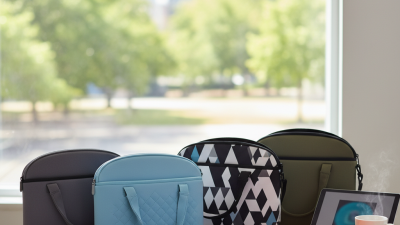
Neoprene’s appeal starts with its soft, closed-cell foam structure. It traps small pockets of air, helping bags cushion items and resist brief splashes. A cold drink can leave moisture on the fabric without immediately soaking through. Still, “water-resistant” is more accurate than “waterproof”; seams and zippers can let water in.
The material bends easily, so a lunch tote can fold flat or stretch around a bulky container. Its springiness also helps the bag recover after light compression. That matters in daily use. A padded sleeve, for example, can soften minor bumps from a laptop sliding onto a desk, though it cannot replace a rigid protective case. Thickness changes the feel: thinner neoprene is lighter, while thicker foam offers more cushioning and warmth.
Neoprene is also relatively easy to wipe clean with a damp cloth. But it can hold onto odors if food spills are left inside, and prolonged heat or rough handling may wear the surface. This part gets overlooked. Buyers may focus on the fabric and miss the stitching, lining, or strap attachments, which often determine how long a bag stays useful. Checking those details gives a more realistic sense of performance than judging softness alone.
| Material Property | How It Works | Effect on Bag Performance | Practical Consideration |
|---|---|---|---|
| Closed-cell structure | Neoprene foam contains many small, mostly closed gas cells. | Provides cushioning and helps slow heat transfer, which can help protect contents and keep their temperature more stable for a time. | Insulation varies with foam thickness, construction, and how the bag is used; it does not maintain a fixed temperature by itself. |
| Water resistance | The foam itself resists water penetration better than many open, absorbent materials. | Helps protect contents from splashes and damp conditions. | A finished bag is not automatically waterproof. Seams, zippers, openings, and fabric layers can allow water through. |
| Flexibility and stretch | Neoprene foam can bend and compress, and some constructions have elastic textile facings. | Makes bags comfortable to handle and able to accommodate items with slightly different shapes. | Stretch depends on the foam and facing fabric. Repeated stretching or excessive loading can distort the bag. |
| Shock cushioning | The compressible foam can absorb and spread some impact energy. | Offers a degree of protection against everyday knocks and bumps. | It is not a substitute for a rigid protective case, especially for fragile items or severe impacts. |
| Soft surface and grip | Neoprene is commonly combined with smooth or textured textile facings. | Creates a soft-touch feel and can make a bag easier to grip and carry. | Surface feel and grip depend on the outer fabric, finish, and construction—not just the foam. |
| Abrasion and tear behavior | Foam provides cushioning, while the outer facing usually takes much of the rubbing and surface wear. | Suitable for many everyday-use applications when made with an appropriate facing and reinforced construction. | Performance varies by fabric, thickness, seams, and use. Edges and high-wear areas may need reinforcement. |
| Weight and bulk | Foam adds thickness and cushioning; its weight depends on density, thickness, and any attached layers. | Can provide a padded feel without using a rigid shell. | Neoprene is not always lighter or less bulky than alternatives; compare the complete bag, not the material name alone. |
| Weathering and care | Long-term performance depends on the rubber formulation, facing, exposure, and maintenance. | With suitable care, bags can be used repeatedly in ordinary daily settings. | Heat, sunlight, chemicals, and prolonged damp storage may affect materials. Follow the care instructions for the specific bag. |
Note: Neoprene bag performance varies by foam formulation, thickness, fabric facing, stitching, and overall design. The properties above describe common material characteristics, not guaranteed specifications for every bag.
Neoprene bags are popular because their flexible shape suits busy routines. The material feels soft, yet it can help cushion items such as a phone, lunch container, or small water bottle. Its stretch also makes packing less fussy when contents vary from day to day. A wide opening and sturdy zipper can make the bag easier to use on a crowded commute. Small design choices matter.
For everyday use, look for reinforced handles, smooth seams, and a base that sits flat on a desk or café table. Interior pockets help separate keys from a tablet, while a wipe-clean lining is useful after minor spills. Neoprene’s light weight is another practical advantage. Still, it is not magic: a thin bag may sag when heavily loaded, and damp material needs time to dry. I would check the stitching and handle attachment before choosing one. These details are easy to overlook.
Tips: Match the bag size to what you carry most often. Keep sharp objects in a sleeve to reduce snags, and let the bag air-dry fully after cleaning. Don’t overfill it; even a stretchy bag has limits.
Neoprene bags serve many everyday consumer needs because they combine a soft feel with light cushioning. Commuters use slim sleeves to carry tablets, chargers, and notebooks between home and work. A lunch bag can help protect a container from bumps, while its flexible sides fit into crowded backpacks. Small details matter. A zipper that opens smoothly or a handle that feels comfortable can make frequent use less frustrating.
Commercial buyers choose neoprene bags for gyms, sports programs, retail packaging, and event giveaways. Fitness centers may use them for swimwear or small training accessories, where a flexible, quick-to-wipe surface is useful. Retailers can offer compact pouches for cosmetics, travel items, or electronic accessories. At exhibitions, reusable bags give visitors a practical way to carry brochures and samples. They also provide a visible surface for simple printed messages, though decoration quality depends on the material and production method.
For bulk orders, buyers should consider bag dimensions, seam strength, lining, and how the item will be cleaned. Neoprene can resist light splashes, but a bag’s construction does not automatically make it waterproof. That difference matters. A pouch holding a phone near a pool needs more careful protection than one used for dry stationery. Buyers sometimes focus too much on appearance; a beautiful sample may still feel awkward when filled. Testing a finished bag with realistic items can reveal that early.
Global demand for neoprene bags is driven by a practical mix of cushioning, flexibility, and everyday comfort. The soft, foam-like material helps protect items from minor bumps, while its stretch can accommodate bottles, lunch containers, and small electronics. It is lightweight, too. For commuters and travelers, that can make a noticeable difference when a bag is carried for hours. Neoprene also resists splashes, although seams and closures may still let water in. “Water-resistant” is not the same as waterproof.
Buyers also value the material’s smooth surface and ability to hold bright colors or simple shapes. These qualities suit casual shopping, sports, and promotional use without making a bag feel rigid. In manufacturing, thickness, lining, stitching, and handle design all affect how the finished bag performs. Details matter. A thin panel may offer less cushioning, while a poorly reinforced handle can wear sooner under heavy loads. Neoprene can also feel warm and may take longer to dry if it becomes soaked. That trade-off is easy to overlook. Demand, then, reflects both its useful properties and the need to match construction with how the bag will actually be used.
Practical material benefits that can appeal to buyers across different bag uses.
This qualitative chart indicates whether a benefit is commonly relevant to neoprene bag construction. It is not a consumer survey, market-share estimate, or ranking; performance varies by material formulation and bag design.