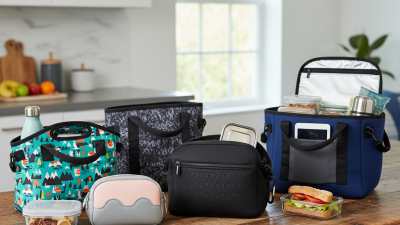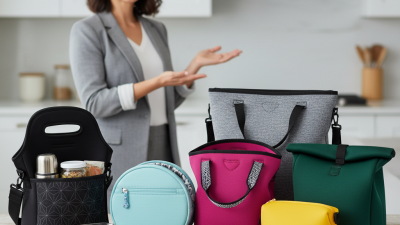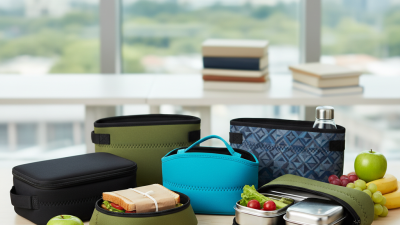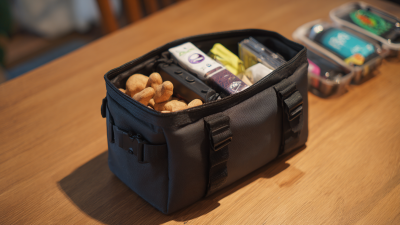
Choosing the right packaging can shape how customers remember your business. Neoprene Bags offer a practical balance of durability, comfort, and visual appeal. Their soft, flexible material feels different from ordinary woven or plastic bags. Customers can carry them to offices, gyms, markets, or weekend events. That daily visibility may turn a useful product into a quiet brand reminder.
From product development experience, neoprene bags work well for businesses needing lightweight protection and reusable presentation. The material can help cushion bottles, electronics, cosmetics, and promotional items during ordinary transport. Strong handles, reinforced stitching, and accurate sizing still matter more than appearance alone. A poorly finished bag can weaken customer trust quickly. Test samples before placing a large order.
Design teams can add logos, colors, pockets, zippers, or adjustable straps. These details should match the product and the customer’s routine. A café might choose insulated storage for takeaway drinks. A fitness brand could prefer a washable pouch with bold printed graphics. However, neoprene is not perfect for every application. It may feel warmer than fabric, require careful cleaning, and cost more than basic alternatives. That deserves honest consideration.
Reliable sourcing also requires clear specifications, consistent quality checks, and responsible supplier communication. Ask about material composition, printing durability, odor, packaging, and expected production time. Review real samples under practical conditions. Carry them. Clean them. Inspect the seams. Small tests reveal expensive problems. Neoprene Bags can support a strong business identity, but only when function, customer needs, and long-term value guide the decision.
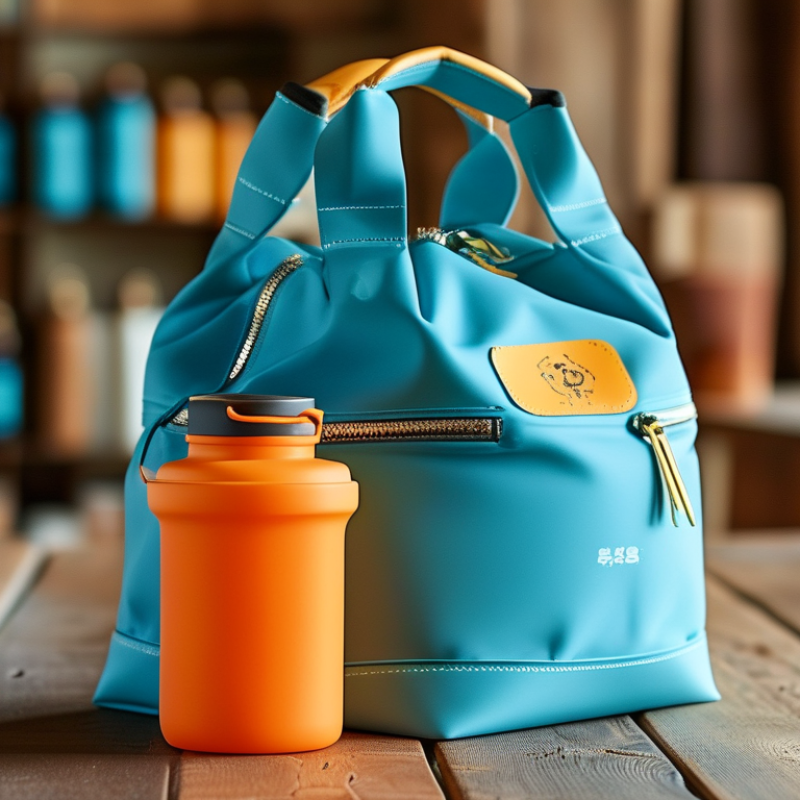
Neoprene bags can give a business practical protection without making products feel overly industrial. The material is commonly made from CR rubber, also called chloroprene rubber. Its closed-cell structure contains tiny sealed pockets. These pockets help resist splashes, soften light impacts, and reduce heat transfer. That matters.
A 2 mm sheet keeps a bag light and flexible. It suits sleeves, pouches, and small promotional carriers. At 3–5 mm, neoprene feels more protective and holds its shape better. However, extra thickness also adds bulk, weight, and material cost. Measure it. A thicker bag is not automatically a better bag.
In product development, I would check the rubber grade, fabric lamination, stitching, edge binding, and zipper strength. A closed-cell surface may resist water, but the complete bag is rarely waterproof unless seams and closures receive proper treatment. Testing should include repeated bending, rubbing against rough surfaces, and exposure to temperature changes. Ask suppliers for thickness tolerances and material test data. Small variations can affect fit and appearance. Neoprene may also carry a noticeable rubber smell when new, which some customers dislike. Ventilation can help, but it should be tested rather than assumed. For business use, the best choice depends on handling conditions, branding needs, and the balance between protection and portability.
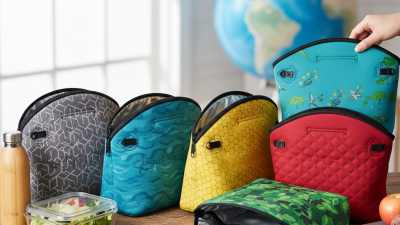
Neoprene bags can give businesses a practical balance of flexibility, protection, and everyday durability. Their material performance depends heavily on formulation and manufacturing quality. A Shore A hardness range of 40–90 allows different handling characteristics. Softer grades feel more flexible and compress easily around small equipment. Harder grades provide firmer support and better shape retention.
Tensile strength can reach 25 MPa under suitable production conditions and laboratory testing. This value indicates resistance to pulling forces before material failure. It does not guarantee unlimited service life. Seam design, stitching, temperature, abrasion, and repeated bending also matter. In a workshop trial, a bag may survive sharp handling but still weaken near its zipper or handle attachment. That detail is easy to miss.
For business use, buyers should request test conditions, thickness, hardness tolerance, and sample results. Shore A readings can vary across a sheet, especially when curing is inconsistent. Tensile data may also differ between batches. I would test loaded samples, not only flat material strips. Place tools inside, carry the bag repeatedly, and inspect corners after several weeks. A 40–60 Shore A grade may suit soft protective sleeves, while 70–90 Shore A material may better support structured cases. The harder option is not always better. It can feel less comfortable and resist folding during storage. Performance should match the bag’s actual workload, not just its highest published number.
Neoprene bags suit businesses that need protection from splashes, condensation, and changing temperatures. Their closed-cell structure limits water entry, helping protect tools, electronics, samples, and small equipment during daily transport. Independent material data commonly places closed-cell neoprene water absorption below 5%, although results depend on density, seams, and test duration. Small details matter.
The typical service range is approximately −35°C to 125°C. This range supports cold warehouses, refrigerated delivery areas, and hot vehicle interiors. ASTM D1056 classifies cellular rubber through tests for compression, aging, and physical performance. ISO 815-1 also evaluates compression set after heat exposure.
These standards help buyers compare materials beyond marketing claims. A bag used near 125°C may still fail at its zipper, adhesive, or stitching.
Temperature ratings are not guarantees. Repeated heating can harden foam, while deep cold can reduce flexibility. Water resistance can also weaken when seams are poorly sealed or the surface is punctured. In practical testing, place a filled sample in a cold chamber, then inspect cracking, fit, and recovery. Repeat the test after moisture exposure. This takes time. Yet it reveals weaknesses that a datasheet may miss. For business use, request test conditions, thickness, density, and aging results before selecting a neoprene bag.
Why Choose Neoprene Bags for Your Business?
Reusable neoprene bags can reduce replacement costs when daily handling is demanding. Their padded structure helps protect contents from scratches, light impact, and moisture. A single bag may survive repeated deliveries, events, or staff commutes. That matters when thin promotional bags tear after one or two uses.
The financial case depends on actual use. Track how many bags are replaced each month, then compare that figure with neoprene purchase and cleaning costs. The U.S. Environmental Protection Agency reported 82.2 million tons of containers and packaging waste in 2018. Reuse cannot solve every waste problem, but it can slow the replacement cycle. WRAP’s UK carrier-bag review found that bag use fell by about 98% after the retail charge began. The result suggests that convenient reuse can change habits, though neoprene performance still needs testing in your workplace.
Tips: Start with a small trial. Record tears, stains, lost bags, and cleaning time for 60 days. Choose reinforced handles and practical sizes. Do not assume “reusable” automatically means cheaper. If staff reject the bag, its service life becomes theoretical. Review the data honestly, even when the first results disappoint. A simple cost-per-use calculation can reveal whether durability is real or merely attractive in a catalogue.
Estimated replacement cost for 1,000 carrying occasions. The model assumes a single-use bag costs $0.25, while an $8 reusable neoprene bag lasts for 250 uses. Values are transparent scenario calculations, not company or brand data.
Under these assumptions, reusable neoprene bags reduce replacement spending because one bag replaces multiple single-use bags. Actual savings will vary according to purchase price, usage frequency, cleaning practices, and product lifespan.
Why Choose Neoprene Bags for Your Business?
Neoprene bags combine cushioning, flexibility, and resistance to everyday moisture. These qualities suit electronics, sports equipment, medical accessories, and promotional kits. In practical production, performance begins with the material specification, not the logo. ASTM D2000 testing can help classify rubber compounds by hardness, heat resistance, tensile strength, and aging behavior. However, ASTM D2000 is not a complete bag-quality guarantee. A reliable supplier should also provide test records for tear strength, thickness, color stability, and seam performance.
Material grades deserve careful attention. Softer neoprene feels comfortable and protects delicate products, while denser grades offer stronger structure and better abrasion resistance. Thickness changes weight, folding behavior, and printing results. Small samples can mislead. I have seen a flexible sample become surprisingly stiff after large-scale lamination. That mistake affects packaging and customer use. Request batch samples, production tolerances, and aging data before approving an order.
Custom branding adds commercial value when it remains practical. Screen printing, heat transfer, woven labels, embossing, and molded details each suit different surfaces and quantities. A logo may look sharp on a flat panel but distort across a curved seam. Color matching also needs written tolerances, especially for dark neoprene. Inspect zipper alignment, stitch density, print adhesion, and odor during pre-shipment checks. The process is not flawless. Clear records and honest corrections make quality more dependable.
Quality Standards: ASTM D2000 Testing, Material Grades, and Custom Branding Options
| Evaluation Area | Relevant Standard or Grade | Typical Data or Requirement | Business Benefit for Neoprene Bags | Verification Notes |
|---|---|---|---|---|
| Material Identification | CR Neoprene Rubber | Polychloroprene-based elastomer commonly selected for flexibility, cushioning, and resistance to weathering, ozone, oils, and diluted chemicals. | Helps protect products from scratches, light impact, moisture, and everyday handling. | Actual performance depends on formulation, thickness, fabric lamination, coatings, and seam construction. |
| ASTM D2000 Classification | ASTM D2000 | Uses a letter designation for polymer type and a grade number for specified property requirements, including heat-aging performance. | Creates a structured way to communicate rubber compound requirements during sourcing and quality control. | ASTM D2000 is a classification and specification system; it is not, by itself, a product certification. |
| Hardness | ASTM D2240, Shore A | Common flexible neoprene constructions are often specified around 40–80 Shore A, depending on the intended balance of softness and support. | Soft grades improve comfort and cushioning; firmer grades provide more structure and shape retention. | Specify the test scale, conditioning, test time, and permitted tolerance with the supplier. |
| Tensile Strength | ASTM D412 | Typical neoprene compound values may fall approximately within 10–25 MPa, with elongation commonly ranging from about 200% to 600%. | Supports durability during opening, closing, carrying, and repeated flexing. | Fabric-backed or laminated neoprene may show different results from unreinforced rubber. |
| Tear Resistance | ASTM D624 | Measured in kN/m; the required value should be selected according to seam stress, edge design, and expected handling conditions. | Reduces the risk of damage around handles, zippers, corners, and attachment points. | Die type, specimen geometry, and direction of testing affect reported results. |
| Compression Set | ASTM D395 | Lower compression-set results indicate better recovery after prolonged compression; the test temperature and duration must be stated. | Useful for sleeves, protective pouches, and bags designed to retain cushioning performance over time. | Compression-set data for solid rubber should not be treated as equivalent to foam compression data. |
| Heat Aging | ASTM D573 | Evaluates changes in hardness, tensile strength, and elongation after exposure to elevated temperature. | Helps assess whether the bag will maintain flexibility and appearance during storage or transport in warm environments. | Use the time and temperature specified in the purchase requirement or applicable ASTM D2000 grade. |
| Ozone Resistance | ASTM D1149 | Assesses cracking after controlled ozone exposure, usually with defined ozone concentration, temperature, strain, and exposure time. | Important for products used outdoors or exposed to sunlight, air pollution, and changing weather conditions. | Surface finish, compound formulation, and mechanical strain can influence cracking behavior. |
| Temperature Selection | Application-Based Specification | Neoprene is commonly selected for moderate temperature service; the final operating range must be confirmed for the exact compound and construction. | Allows the bag design to be matched to indoor retail, logistics, travel, sports, or outdoor applications. | Do not assume a general temperature range applies to every neoprene fabric, foam, adhesive, print, or zipper. |
| Material Thickness | Design Parameter | Common bag constructions may use approximately 1.5–5.0 mm neoprene or laminated foam, depending on required protection and flexibility. | Thinner materials reduce bulk; thicker materials increase cushioning, insulation, and perceived product value. | State whether the measurement refers to rubber, foam, textile laminate, or the complete composite. |
| Color Consistency | Visual Standard or Instrumental Color Measurement | Define an approved color sample, acceptable shade tolerance, and inspection lighting before mass production. | Improves consistency across promotional campaigns, product lines, and repeat orders. | Printed, coated, and laminated surfaces may display different colors from the base neoprene material. |
| Screen Printing | Surface Compatibility Check | Suitable for simple logos, text, and limited-color graphics on compatible smooth surfaces. | Provides a cost-effective branding method for medium or large production runs. | Confirm ink adhesion, abrasion resistance, curing conditions, and artwork registration before production. |
| Heat Transfer Printing | Transfer Adhesion and Flexibility Test | Useful for detailed graphics, gradients, and multi-color artwork when the surface and transfer system are compatible. | Supports highly visible promotional designs without requiring a separate sewn label. | Validate resistance to stretching, washing, rubbing, heat, and repeated folding. |
| Embroidery or Woven Label | Attachment and Edge-Durability Check | Best suited to reinforced panels, handles, fabric trims, or sewn labels rather than soft unsupported foam areas. | Creates a premium, tactile brand presentation and can improve long-term logo durability. | Check needle perforation, backing compatibility, stitch density, and potential distortion of the neoprene panel. |
| Embossing or Debossing | Relief Depth and Recovery Test | Creates a raised or recessed mark by applying controlled heat and pressure to a compatible surface. | Offers a subtle, integrated branding effect without adding a separate label or ink layer. | Results depend on material thickness, density, surface finish, artwork detail, and process temperature. |
| Logo Quality Control | Approved Pre-Production Sample | Review logo size, placement, color, contrast, sharpness, adhesion, and alignment against an approved reference sample. | Reduces costly rework and ensures consistent presentation across production batches. | Keep signed artwork, color references, dimensional tolerances, and inspection photos in the purchase file. |
Data shown are practical specification ranges and quality-control guidance rather than universal limits. Final requirements should be confirmed through the applicable ASTM test method, the selected ASTM D2000 grade, and testing of the complete finished bag.