Leave Your Message
Request a Quote

Why Choose Neoprene Lunch Bags for Wholesale?

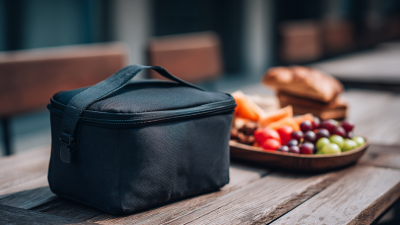
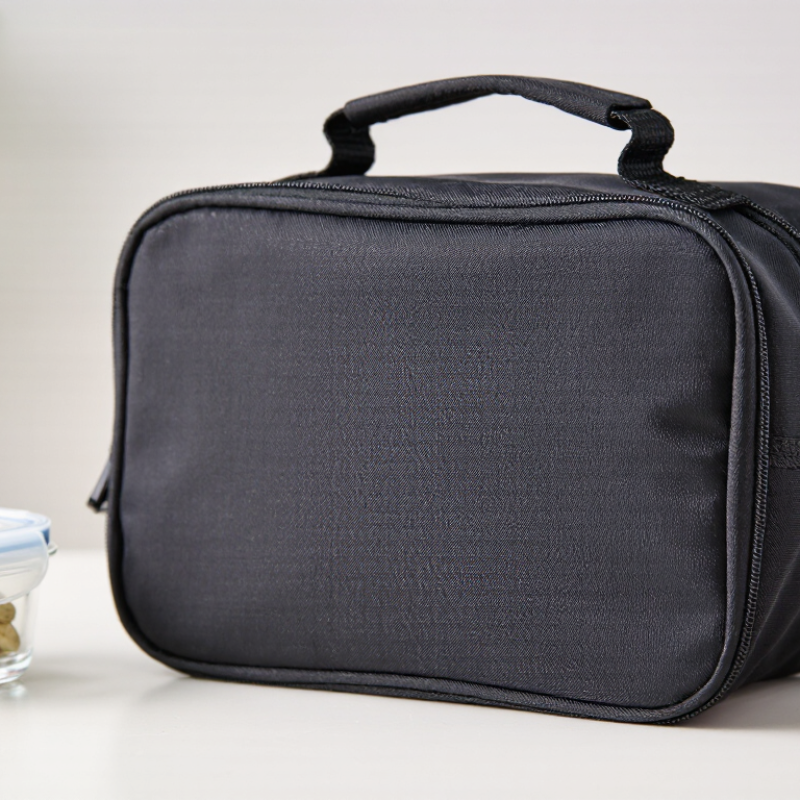
Wholesale buyers need more than a lunch bag that looks good in a product photo. They need a practical item customers will carry repeatedly, with enough room for food containers and a design that supports clear branding. Neoprene offers flexibility and cushioning, while its soft, textured surface can give a promotional product a distinctive feel. Small details matter: a reinforced handle, a smooth zipper, and seams that hold up to daily use.

The market context is encouraging, but it needs careful interpretation. Grand View Research valued the global reusable bags market at approximately USD 9.5 billion in 2022 and projected a 7.4% compound annual growth rate from 2023 to 2030. That report covers reusable bags broadly, not Neoprene Lunch Bag sales specifically. It signals wider interest in reusable carrying products, but it does not guarantee demand for any one style. A buyer should still test samples, compare suppliers, and check how each bag performs after repeated use.

There are trade-offs. Neoprene can add bulk and weight compared with thin fabric, and product performance depends on construction, lining, and care instructions. It should not be treated as a substitute for verified food-temperature controls. That distinction matters. For wholesale programs, request material specifications, inspect stitching, and review sample bags with realistic containers inside. Ask how printing behaves on the chosen surface, too. A great sample can still disappoint in production. Choosing well means balancing appearance, function, landed cost, and honest product claims. When those checks align, a Neoprene Lunch Bag can serve as a useful, visible addition to a retail or promotional range.
Why Choose Neoprene Lunch Bags for Wholesale?

What Neoprene Lunch Bags Are and How They Are Made

A neoprene lunch bag is usually made from flexible foam rubber, not a solid block of rubber. Neoprene is a synthetic rubber produced from chloroprene. In many bags, the foam sits between a polyester or nylon outer fabric and a finished inner surface. The foam’s small cells slow heat transfer, while its stretch helps the bag hug a lunch container. It is useful insulation, not refrigeration. According to Grand View Research’s Neoprene Market Size, Share & Trends Analysis Report, the global neoprene market was valued at about US$2.2 billion in 2022, with a forecast 2.7% compound annual growth rate from 2023 to 2030. That figure covers many uses of neoprene, not lunch bags specifically—a distinction worth keeping clear when planning wholesale orders.

Manufacturing generally begins with neoprene foam sheets. The sheets are cut into panels, then bonded or laminated with fabric. Workers sew the panels together, add a zipper, handles, and binding, and inspect the finished seams. Small details matter. A rough zipper edge can wear through fabric; uneven stitching can let the bag lose its shape. Buyers can ask suppliers about foam thickness, lining composition, seam strength, and inspection procedures. The lunch bag should not be assumed suitable for direct food contact unless its lining is specified for that use. One limitation is easy to miss: thicker foam may improve insulation, but it can also make a bag bulkier and harder to fold.


Key Performance Features of Neoprene Lunch Bags

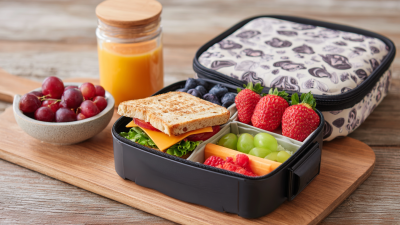
Neoprene lunch bags stand out for their balance of insulation, flexibility, and cushioning. The foam-like material can help slow heat transfer, keeping packed food more stable during a commute or school day. It does not replace an insulated cooler with ice packs. That distinction matters. The fabric also stretches around containers, so a square lunch box or a small snack tub can fit without rigid walls. For wholesale buyers, this flexibility can suit varied daily routines and reduce the need to stock several bag shapes.

Comfort and care are practical strengths. Neoprene is soft to carry, and its padded body can cushion a container from light knocks inside a backpack. Many styles can be hand-washed, but care instructions vary; check them before promising easy cleaning. Look closely at stitching, zipper quality, lining, and handle attachment, since these details affect how the bag holds up with repeated use. A neat exterior is not enough. Thick neoprene may feel bulky when empty, and damp fabric needs time to dry. That trade-off is easy to overlook. For a wholesale range, comparing sample bags with real lunch containers can reveal fit issues before larger orders are placed.

Benefits of Neoprene Lunch Bags for Wholesale Buyers

Neoprene lunch bags can give wholesale buyers a useful balance of flexibility, insulation, and everyday convenience. The soft material stretches around containers and often springs back after use. That matters. Bags are easier to pack into cartons than rigid lunch boxes, which can help simplify storage and shipping. Their smooth surfaces also support clear printed designs, making them suitable for employee gifts, school programs, and retail collections.

For buyers, the practical details deserve close attention. Ask for samples and check the seams, zipper movement, lining, and handle attachment. A bag may look sturdy in a product photo but feel flimsy when loaded with a glass container. Small differences in thickness can affect weight, flexibility, and insulation performance. Neoprene can help keep food cooler or warmer for a while, but it is not a substitute for temperature-controlled storage. Be precise about that when describing the product.

Wholesale orders also benefit from consistent sizing and color checks across production batches. Request care instructions, since washing methods can affect the bag’s shape and printed finish. Some designs may take longer to dry than expected. That is easy to overlook. Buyers should weigh unit cost against the desired finish, packaging, and intended use before placing a large order. A cheaper sample is not always the better value.

Customization Options for Wholesale Orders

For wholesale buyers, customization turns a neoprene lunch bag into a practical product that reflects a retailer’s audience. Options can include bag dimensions, neoprene thickness, handle length, zipper color, lining, and printed artwork. A small change matters: wider gussets can fit meal containers, while a short handle works better inside a larger tote. Keep artwork simple. Tiny lettering may blur on textured fabric.

Market data offers useful context, not a guarantee of sales. Grand View Research estimated the global reusable bags market at about US$10.4 billion in 2023, with projected growth through 2030. PwC’s 2024 Voice of the Consumer Survey found consumers were willing to pay an average 9.7% more for sustainably produced or sourced goods. These figures cover broad markets, not neoprene lunch bags specifically. Still, they suggest buyers may value reusable design and clear material information.

For a wholesale order, request a sample with the intended print, zipper, and lining before approving production. Check whether seams lie flat and whether the bag fits a standard lunch container. Ask suppliers to confirm dimensions, material thickness, color tolerances, and minimum order quantities in writing. A logo can still look crowded. That’s easy to miss on a screen. Test one version in hand, even if the first sample feels nearly right.

Why Choose Neoprene Lunch Bags for Wholesale?

Customization options to discuss when placing a wholesale order

Use this checklist to compare supplier capabilities: branding, bag appearance, functional details, and packaging. Values count the example details listed for each category; they are not market statistics or a guarantee that every supplier offers each option. Confirm available materials, specifications, minimum order quantities, and costs with your supplier.

How to Evaluate Neoprene Lunch Bag Suppliers

When evaluating neoprene lunch bag suppliers, request a production sample, not just a showroom piece. Check the neoprene thickness, lining, zipper movement, and seam finish. Place a filled container inside and carry the bag by its handles. Look for stretching, tilting, or pressure on the stitching. Small details matter. Ask for written material specifications and relevant test records, then confirm that bulk orders will use the same materials and construction.

Review how the supplier manages quality across production runs. Ask how inspections are recorded, how defects are handled, and whether they can share clear photos of finished goods before shipment. Compare minimum order quantities, sample charges, lead times, and packaging details in writing. A polished sample does not prove consistent bulk quality; uneven stitching can still appear later. I would not rely on one sample alone. Requesting a small pilot order may reveal issues, though it adds time and cost.

Tips: Test the zipper repeatedly, check the bag after gentle hand washing, and note any changes in shape or color. Ask who pays for replacement units if agreed specifications are missed. Keep replies and approved samples on file.

Why Choose Neoprene Lunch Bags for Wholesale? - How to Evaluate Neoprene Lunch Bag Suppliers

Evaluation Dimension Why It Matters What to Request or Check Practical Buyer Benchmark
Material composition and thickness Neoprene is flexible, cushioning, and water-resistant, but material construction affects feel, durability, and cost. Ask for the material specification, thickness, construction details, and a production sample. Confirm whether the bag includes a lining or other fabric layers. Compare samples against your intended use and approved specification; do not rely on material names alone.
Thermal performance Neoprene can slow heat transfer, but an unpowered lunch bag does not actively heat or refrigerate food. Results depend on construction and use. Request the supplier’s test method and conditions, such as starting temperature, ambient temperature, contents, and test duration. Use a consistent, documented comparison test. Avoid accepting an insulation claim without its test conditions.
Food-contact suitability A lunch bag may hold packaged food or containers, so the intended contact surfaces and applicable market requirements should be clear. Identify which components may contact food and request relevant, current test reports for the material and destination market. Match documentation to the exact material, color, and construction being ordered; verify requirements with your compliance specialist.
Odor and colorfastness Unwanted odor or dye transfer can affect customer experience, especially when bags are used repeatedly. Inspect samples after unpacking and washing. Ask for care instructions and applicable odor, colorfastness, or migration test results. Set acceptance criteria before production and assess samples using the same method for every supplier.
Stitching and edge finishing Seams, handles, and binding are common areas of wear when bags are filled and carried regularly. Inspect seam consistency, reinforcement at handle attachment points, edge finishing, and sample performance under a repeatable load test. Approve a reference sample and specify workmanship limits, inspection points, and any load-test procedure.
Zipper and closure quality A smooth, durable closure helps protect contents and reduces complaints caused by snagging or separation. Open and close the zipper repeatedly on samples; check alignment, stitching, puller attachment, and whether the closure suits the bag opening. Include zipper operation and visual condition in pre-production approval and final inspection criteria.
Capacity and dimensions Usable capacity, opening size, and shape determine whether common food containers fit as intended. Request finished dimensions, tolerances, internal measurements, and a sample tested with representative containers. Specify dimensions and tolerances in writing, and confirm fit with the actual container sizes your customers use.
Customization and artwork Color, printing, labels, and packaging can support wholesale assortments but may affect cost and production time. Request artwork requirements, available decoration methods, color-matching process, setup charges, and a pre-production sample. Approve a physical sample or documented color standard before bulk production; confirm ownership and permitted use of supplied artwork.
Minimum order quantity and pricing Order quantities, customization, and packaging choices influence the unit price and total landed cost. Request a written quotation showing quantity breaks, sample charges, tooling or setup fees, packaging, payment terms, and quote validity. Compare quotations on the same specification and delivery terms, not on unit price alone.
Production lead time and capacity Reliable scheduling helps buyers plan seasonal launches, replenishment, and freight bookings. Ask for separate sample, production, and shipping timelines, plus confirmation of current capacity and the production start conditions. Agree on milestones and a latest ship date in the purchase order; allow time for sample approval and inspection.
Quality-control process Documented checks help identify defects before goods are packed and shipped. Request the inspection checklist, defect classifications, sampling approach, corrective-action process, and inspection records where available. Define acceptable quality criteria and who may inspect the order before shipment.
Packaging and shipping readiness Packaging affects protection, storage, freight volume, and retail presentation. Confirm individual packaging, carton dimensions and weight, packing quantity, shipping marks, and any restrictions for the destination market. Approve a packing specification and check carton details before booking transport.
Supplier communication and traceability Clear records make it easier to resolve specification changes, quality issues, or repeat-order differences. Evaluate response clarity and request written specifications, sample approvals, order records, and a named contact for production updates. Keep approved samples, specifications, and change approvals with the purchase order for future comparison.