Choosing the right lunch carrier can shape how customers remember your business. A reliable bag protects food, supports branding, and survives daily handling.
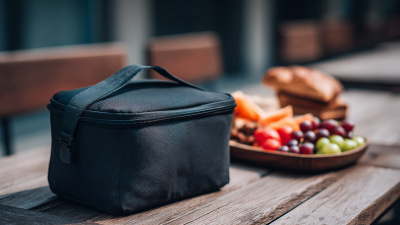
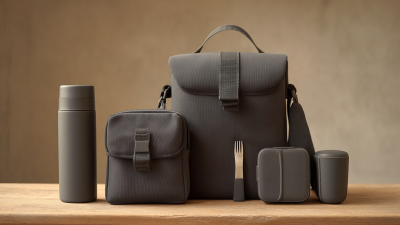
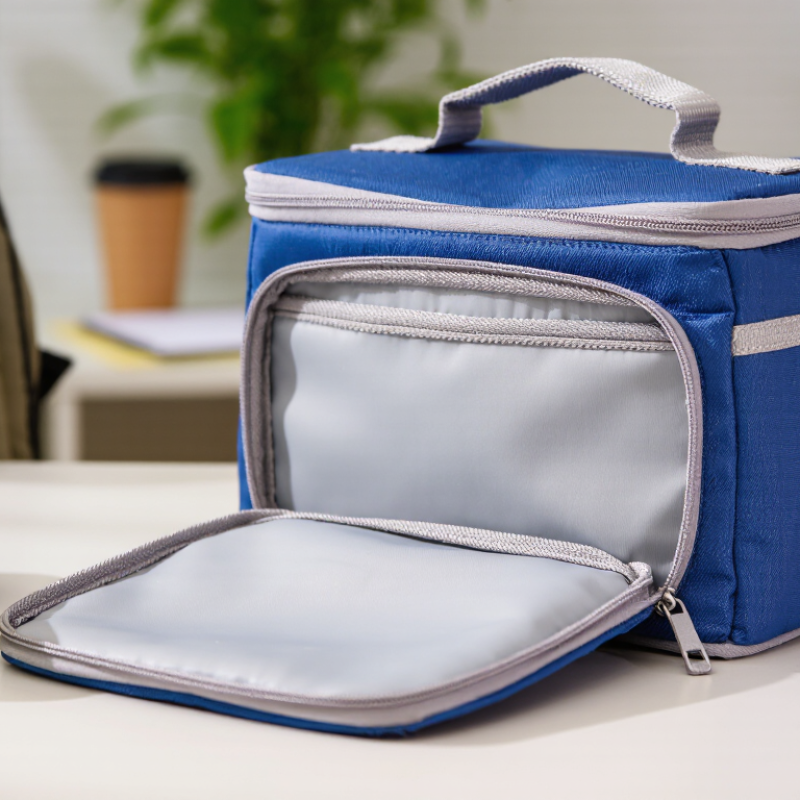
Ethan Cole, a product-development consultant specializing in reusable neoprene carriers, says, “A lunch bag earns trust when its insulation, stitching, and cleaning routine work together.” That practical view matters. A Neoprene Bag Lunch can feel soft in the hand, resist small spills, and help maintain a stable temperature during a busy morning commute. Its flexible walls also fit neatly into backpacks, delivery totes, and office drawers.
For businesses, neoprene offers more than surface appeal. The material can hold printed logos with strong visual impact. Bright colors and simple patterns remain visible across cafés, schools, corporate events, and retail shelves. A well-placed handle makes carrying easier. A wide zipper opening makes packing less frustrating.
Small details matter.
Still, neoprene is not automatically the best choice. Some designs trap odors when users skip cleaning. Thin lining may disappoint customers who expect long insulation. Poor stitching can fail before the promotional campaign ends. Those weaknesses deserve honest attention.
Your purchasing team should inspect zipper quality, seam strength, lining safety, cleaning instructions, and sample performance. Test a filled bag on a warm afternoon. Check whether condensation reaches the outer fabric. Ask suppliers about production consistency and care guidance.
The strongest business decision balances appearance, function, durability, and realistic customer habits. A Neoprene Bag Lunch should look attractive on day one and remain useful months later. That standard may require better materials, clearer instructions, and fewer exaggerated promises.
Why Choose Neoprene Lunch Bags for Your Business?
Neoprene lunch bags combine flexible protection with a clean, retail-ready surface. Their value starts with construction, not color. Closed-cell neoprene contains sealed gas pockets. These pockets reduce water uptake and soften impacts around containers. ASTM D1056 identifies Type 2 as closed-cell sponge rubber. Class designations describe performance environments, including oil, flame, and temperature resistance. The grade still matters. Density and physical test results can vary widely.
A reliable specification should read like a test plan. Request the complete ASTM D1056 designation, density, compression set, tensile strength, and seam testing. ASTM D1056 is a material classification standard. It does not automatically prove food-contact compliance. That distinction is easy to miss. Neoprene can provide insulation, but it is not a refrigerator. Cold packs and shorter carrying times remain practical controls.
Industry data adds useful context. The FAO’s State of Food and Agriculture 2019 estimated that 14% of food is lost between harvest and retail. UNEP’s Food Waste Index Report 2024 estimated 1.05 billion tonnes of food waste in 2022. A lunch carrier cannot solve that problem. Better temperature retention and leak protection may still reduce avoidable spoilage during commuting. Buyers should challenge vague claims. Ask for measured results, not “premium insulation.” Small flaws appear quickly: zipper gaps, weak stitching, and odor retention.
Why Choose Neoprene Lunch Bags for Your Business?
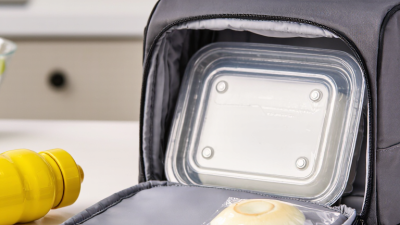
The FDA Food Code identifies 41°F (5°C) or below as the cold-holding benchmark for many temperature-controlled foods. This matters when businesses transport sandwiches, salads, dairy products, or prepared meals. Neoprene lunch bags add insulation around the container, helping slow temperature changes during short deliveries, staff lunches, and customer pickups. They are flexible, lightweight, and easier to carry than rigid coolers.
A bag is not a refrigerator. Food should be chilled before packing, not cooled inside the bag. Use sufficient frozen gel packs, leave minimal empty space, and place a clean thermometer near the food. Check the internal temperature when practical, especially during warm weather or extended transport. If food rises above 41°F, time and local food-safety procedures become important. The exact response may depend on the food, exposure time, and applicable requirements.
Cleanability also deserves attention. Choose a bag with a smooth, wipeable lining, then clean and dry it after leaks. Inspect seams, zippers, and insulation regularly. Small damage can reduce performance. One weakness in everyday handling is relying on appearance; a cold-feeling bag does not prove safe food temperature. Neoprene can support a reliable process, but it cannot replace temperature checks, trained staff, or disciplined packing. That distinction is easy to overlook.
Food safety depends on maintaining proper temperatures during storage and transport. The FDA Food Code sets 41°F (5°C) as the maximum cold-holding temperature for time/temperature control for safety foods.
A neoprene lunch bag can provide insulation and help reduce temperature changes during delivery or commuting. Use suitable ice packs and verify performance with a food thermometer; the bag itself does not guarantee compliance. Values shown are FDA Food Code temperature controls: cold holding at or below 41°F, the first cooling stage at or below 70°F within 2 hours, and hot holding at or above 135°F.
Source: U.S. Food and Drug Administration, Food Code 2022, Sections 3-501.14 and 3-501.16.
Why Choose Neoprene Lunch Bags for Your Business?
A neoprene lunch bag supports safer meal transport through flexible thermal insulation. However, insulation alone cannot keep perishable food cold for long. USDA guidance recommends using at least two cold sources with packed lunches. These can include frozen gel packs, frozen water bottles, or similar chilled items. Place one source beside the food and another above it. Cold air falls, while heat enters from the top.
This design matters during commutes, warehouse shifts, school programs, and outdoor service calls. A well-fitted neoprene bag reduces empty space around containers, helping cold sources work more efficiently. It also resists small spills and folds easily after use. Keep the bag shaded whenever possible. Direct sunlight can quickly raise the internal temperature.
From practical packing experience, a cold lunch may still feel cool while becoming unsafe. That is easy to misjudge. Use a food thermometer when conditions are uncertain, and follow USDA storage guidance for perishable items. The bag should be chilled before packing, not treated as a refrigerator. Two cold sources are better than one, yet they are not foolproof. Test the setup during a normal workday, especially when delivery times vary. Temperature checks may reveal weaknesses that attractive packaging hides.
| Design Dimension | Recommended Specification | Food-Safety or Functional Rationale | Business-Relevant Benefit |
|---|---|---|---|
| Cold-source quantity | At least two cold sources for a perishable packed lunch. | USDA guidance recommends using two cold sources, such as frozen gel packs or frozen water bottles, to help keep perishable food cold. | Creates a clear, easy-to-communicate product-use instruction for customers and employees. |
| Cold-source placement | Place one cold source beside or above the food and a second source on the opposite side when the bag layout permits. | Distributing cold sources improves contact with the insulated interior and reduces warm pockets. | Supports a more practical compartment layout and improves perceived product quality. |
| Target food temperature | Keep perishable food at or below 40°F (4°C). | USDA identifies 40°F (4°C) or below as the refrigerated-storage limit for perishable foods. | Provides a measurable thermal-design target for product instructions and testing. |
| Time limit outside refrigeration | Consume or refrigerate perishable food within 2 hours; limit is 1 hour when temperatures exceed 90°F (32°C). | Perishable foods should not remain in the temperature danger zone for extended periods. | Helps businesses include responsible usage guidance with promotional or employee lunch programs. |
| Neoprene exterior | Use flexible, water-resistant neoprene as the outer material, with sealed or reinforced seams. | Neoprene can help reduce heat transfer and protect against minor moisture or condensation, but it does not replace cold sources. | Combines a soft premium feel with practical protection for daily commuting and workplace use. |
| Thermal construction | Combine neoprene with a reflective or insulated inner lining and minimize open gaps around the closure. | Multiple thermal barriers slow heat gain more effectively than a single fabric layer. | Supports a more consistent thermal design while preserving a lightweight, flexible form. |
| Interior organization | Include enough internal space for a meal container plus two compact cold sources without crushing the food. | Cold sources work best when they remain close to the food and the bag can close fully. | Improves usability and makes the two-cold-source recommendation easier to follow. |
| Leak management | Use a wipe-clean liner and a leak-resistant base or removable insert. | Condensation and accidental spills are common when chilled foods and frozen packs are carried together. | Reduces cleaning time and helps the bag remain suitable for repeated business use. |
| Cold-source format | Accept reusable frozen gel packs or frozen water bottles with secure, leak-resistant closures. | Both formats are recognized practical options for keeping packed lunches cold; frozen water can also provide a drink after thawing. | Gives users flexible packing options without requiring a proprietary accessory. |
| Temperature monitoring | For higher-risk or longer-duration programs, use a refrigerator thermometer or validated temperature indicator. | Bag appearance alone cannot confirm that food has stayed at a safe temperature. | Provides a more defensible process for catering, workplace meal distribution, and institutional use. |
Safety note: Neoprene lunch bags provide structure and limited insulation, but they are not refrigeration equipment. Perishable foods should be packed with adequate cold sources and handled according to applicable food-safety guidance.
Neoprene lunch bags offer flexibility, cushioning, and resistance to repeated handling. These qualities matter when bags move between offices, schools, delivery vehicles, and crowded refrigerators. However, attractive fabric is not enough. Business buyers should verify how the material recovers after compression.
ISO 815-1:2019 measures compression set in vulcanized or thermoplastic rubber. The test records permanent deformation after a controlled load, temperature, and recovery period. A simple calculation compares the original thickness with the thickness after recovery. Lower compression-set values indicate better shape retention. It is a useful signal, not a complete durability verdict. ISO 815-1 does not automatically define a universal pass-or-fail limit.
A supplier can submit samples from finished bags, not only flat laboratory sheets. Measure the base, handle area, and insulated side panel separately. For example, a purchasing team may set an internal target below 25% compression set after 24 hours, then confirm it through repeated testing. That target is a business specification, not an ISO requirement.
ASTM D395 offers another recognized rubber-compression method, although its conditions may differ. Comparing results without matching temperature, load, specimen size, and recovery time can mislead decisions.
I have seen soft materials recover well overnight, then remain visibly creased after weeks of stacking. One test may miss that weakness. Record photographs, thickness readings, and temperature logs with every report.
Why Choose Neoprene Lunch Bags for Your Business?
For B2B buyers, neoprene lunch bags offer measurable value beyond appearance. Their insulation supports meal freshness during commutes, school programs, and workplace deliveries. A practical sourcing model compares MOQ, unit cost, durability, and replacement rates. For example, an illustrative quotation might show 500 units at $3.80 each, versus 2,000 units at $2.90. However, storage costs can erase part of that volume discount.
Reuse must be measured, not assumed. The U.S. Environmental Protection Agency reported 82.2 million tons of packaging waste in 2018, with only 28.1% recycled. This highlights the value of longer product use. The Ellen MacArthur Foundation also stresses that reuse systems need convenient return and repeat-use structures. Track active users, average cycles, cleaning issues, and replacements monthly. A simple target could be 30 uses per bag. That target may be too optimistic.
Tips: Request a pre-production sample. Test zipper strength, stitching, insulation, and cleaning performance. Ask suppliers for MOQ tiers and landed costs. Include freight, labeling, inspection, and storage charges. A small pilot of 100 units can reveal real adoption before a larger order. Record damaged bags separately. Otherwise, reuse data may look better than reality.