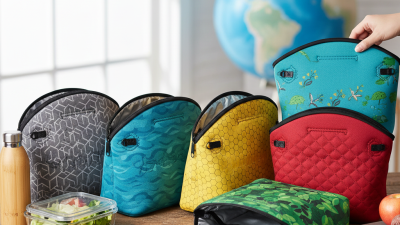
What Is the Best Type of Neoprene Bags?
Choosing the best type of Neoprene Bags depends on how you plan to use them. A compact sleeve may protect a tablet during a commute, while a wider tote can carry lunch, gym clothes, or swimming gear. The right choice is not always the thickest one. Practical fit matters more.
This guide examines material thickness, stitching, closures, handles, insulation, and cleaning needs. We will compare common designs through everyday situations, such as a cold bottle leaving condensation inside a bag or a laptop pressing against a weak seam. Manufacturer specifications can help, but real handling reveals details that product descriptions often miss. A zipper may look strong, yet catch after repeated use. Small flaws matter.
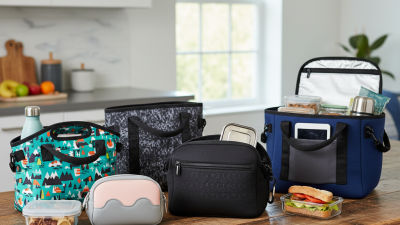
There is no universal winner. A flexible pouch may suit light travel, but it offers limited structure. A structured Neoprene Bags design may protect contents better, though it can feel bulky. Reviews, material data, and careful product testing provide a more reliable basis than appearance alone. Still, testing has limits. Results can change with weight, weather, washing habits, and daily wear. This article will help readers weigh those trade-offs clearly and select a bag that fits their routine, budget, and expectations. The best option should feel useful after weeks of use, not only impressive on the first day.
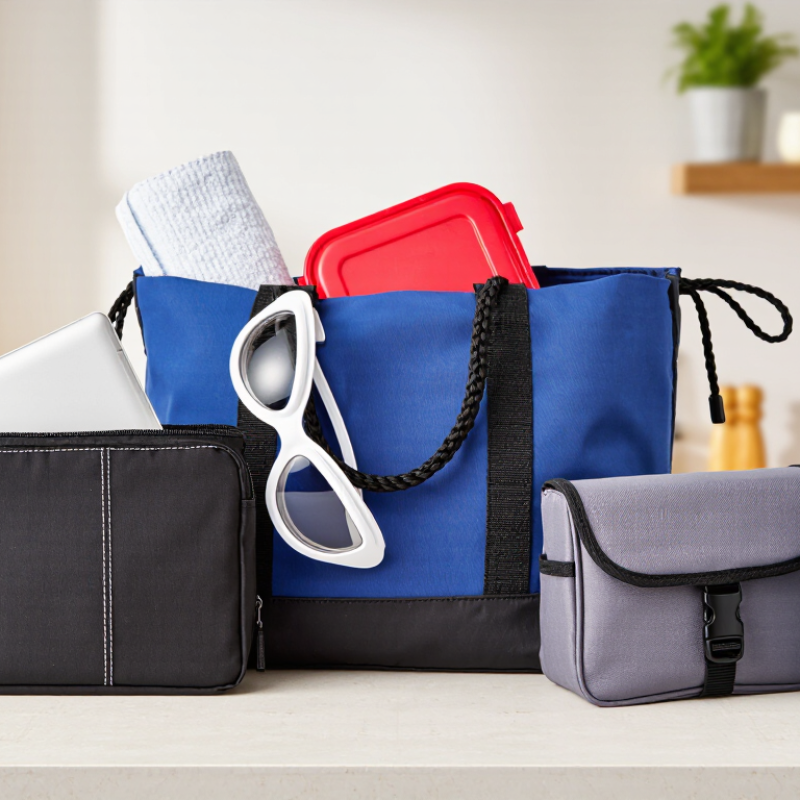
Types of Neoprene Bags and Their Main Characteristics
The best type of neoprene bag depends on what it must protect, carry, or insulate. Grand View Research’s 2024 neoprene market analysis estimated the global market at about US$2.2 billion in 2023, showing continued demand for flexible, resilient materials. Neoprene sleeves suit laptops, tablets, and cameras because their foam structure absorbs minor knocks. A close fit matters. A loose sleeve can still allow impact damage.
Neoprene lunch totes and bottle bags focus more on insulation than protection. Their thick foam walls help slow temperature changes, while sealed or coated interiors make cleaning easier. However, neoprene is not automatically waterproof. Check the seams, zipper design, and lining. A practical test is simple: place a cold bottle inside and inspect the outer surface after thirty minutes. Moisture may appear.
Cosmetic pouches and travel organizers are lighter and more flexible. They compress well inside crowded luggage. Thinner neoprene keeps the bag soft, but it offers less cushioning. Thicker material protects better, though it adds bulk and may trap odors. The Sustainable Apparel Coalition’s materials research also encourages buyers to examine durability, material weight, and product lifespan rather than judging sustainability by one label. I would not choose one universal “best” type. That assumption is too convenient. The right choice balances thickness, closure quality, insulation, cleaning needs, and daily handling.
How Neoprene Bag Materials Affect Performance and Comfort
What Is the Best Type of Neoprene Bags?
The best neoprene bag depends on how its material handles daily movement, moisture, and weight. Neoprene is a flexible, closed-cell rubber that resists splashes and cushions delicate items. However, the outer fabric matters too. Nylon usually feels smooth and durable, while polyester can offer a softer, more affordable finish. A thicker sheet adds structure and insulation, but it may feel bulky against the body. I once assumed thicker neoprene always meant better quality. That shortcut can fail.
How Neoprene Bag Materials Affect Performance and Comfort
A dense, well-laminated material keeps its shape when carrying bottles, tablets, or small accessories. Good stitching also prevents stretching around the handles. For comfort, check the lining and strap design. A breathable lining can reduce clamminess during warm commutes. Wide straps spread pressure across the shoulder. Thin straps may dig into skin when the bag is full. Seams should feel flat, not rough or stiff.
Tips: Choose lightweight neoprene for casual use and thicker material for protection. Test the strap length with your usual clothing. Press the fabric gently; it should recover without staying deeply creased. Avoid relying on water resistance alone. Zippers and seams can still allow moisture inside. Clean the bag with mild soap, then air-dry it away from strong heat. I still prefer checking real measurements, because “large” can feel surprisingly small after adding a tablet and a bottle.
What Is the Best Type of Neoprene Bag?
Neoprene bag performance depends on the rubber formulation and fabric construction. This comparison uses a 1–10 performance index based on commonly reported material characteristics: flexibility, cushioning, thermal insulation, abrasion resistance, water resistance, and weight efficiency.
CR-rich neoprene generally provides the strongest balance of water resistance, insulation, and durability. SBR-blended neoprene is often lighter and more cost-efficient, while SCR-blended neoprene offers a practical balance of stretch, cushioning, and everyday comfort. Higher scores indicate stronger relative performance, not a universal laboratory rating.
Choosing the Best Neoprene Bag for Different Uses
What Is the Best Type of Neoprene Bags?
Choosing the Best Neoprene Bag for Different Uses
The best neoprene bag depends on what you carry, where you go, and how often you clean it. For lunches, choose a compact insulated bag with strong stitching and a wipeable lining. A wide opening helps you remove containers without tipping them. For swimming or gym visits, select a flexible tote with reinforced handles. Neoprene resists splashes, but it is not completely waterproof. Wet towels still need airflow.
For laptops and tablets, look for dense neoprene, padded edges, and a snug fit. Extra space may allow the device to slide during travel. A bottle sleeve works well for commuting, especially when the base feels stable. I once chose a soft bag that looked attractive but collapsed on the floor. It protected less than expected. That small mistake changed how I judge structure, seams, and everyday handling.
Tips: Check the stitching by gently pulling the handles. Inspect the zipper for smooth movement. Choose a washable lining when carrying food. Let the bag dry fully after contact with water. Avoid overloading it, because stretched seams can weaken quickly. Measure your device or container before buying. Consider comfort, too. A narrow strap may become painful during a long walk. Neoprene bags are versatile, but no single design performs perfectly for every use.
Key Features to Compare Before Buying a Neoprene Bag
What Is the Best Type of Neoprene Bags?
Key Features to Compare Before Buying a Neoprene Bag
The best neoprene bag depends on its intended load, weather exposure, and carrying style. Check neoprene thickness first. A 3–5 mm body usually offers better cushioning than thin fashion-grade material. However, thicker neoprene adds weight and may feel awkward when folded. My first comparison missed this trade-off.
Inspect the seams and lining carefully. Flatlock stitching feels comfortable, while reinforced seams improve durability around handles and corners. A water-resistant zipper protects contents better than a simple flap. Still, water resistance is not waterproofness. Unsealed seams can leak during heavy rain. Measure the interior, too. A padded tablet may not fit despite generous external dimensions.
The Outdoor Industry Association’s 2024 participation report recorded 175.8 million U.S. outdoor participants in 2023. That figure supports demand for bags that handle repeated movement and changing weather. Textile Exchange’s Materials Market Report 2024 reported global fiber production reached 124 million tonnes in 2023, with synthetic fibers accounting for about 67%. Neoprene is synthetic, so material longevity matters. Look for dense foam, colorfast fabric, and replaceable hardware where possible. A strong odor may fade, but it can also signal poor finishing. Ask about abrasion testing or relevant material standards. Labels can be vague. Compare evidence, not promises.
Care, Cleaning, and Long-Term Maintenance of Neoprene Bags
The best neoprene bag is not only flexible and water-resistant. It should also survive careful, repeated maintenance. Neoprene, or polychloroprene rubber, can degrade under heat, ultraviolet light, oils, and harsh solvents. Grand View Research’s 2024 neoprene market analysis projects annual growth of about 6% through 2030, increasing the need for practical product care. More products make maintenance knowledge more important.
After each use, empty the bag and wipe away sand, salt, or dust with a soft cloth. Rinse it with cool, clean water. Use a small amount of mild soap for sunscreen or food marks. Avoid bleach, alcohol, strong detergents, and abrasive brushes. Air-dry gently. Keep it cool. Never place a damp bag in a sealed cabinet. Trapped moisture can create odor and encourage surface deterioration.
Store the bag flat or loosely supported, away from direct sunlight and heaters. Do not compress it under heavy items for long periods. Check handles, stitching, zippers, and corners every few months. A 2023 European Environment Agency report found that extending textile use by nine months can reduce related carbon, water, and waste footprints by 20–30%. Neoprene is different from ordinary clothing, so that figure should not be applied literally. Still, the principle is useful. I once ignored a small seam gap, and repeated loading made it worse. Early repairs are usually simpler, but some damage will still require professional assessment.