Top 10 Neoprene Can Cooler Suppliers for Global Buyers
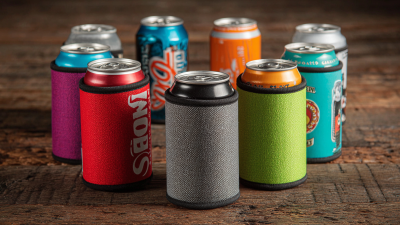
Global buyers are paying closer attention to materials, comfort, and supplier reliability. Neoprene Can Cooler products now serve beverage brands, event organizers, outdoor retailers, and promotional distributors. They look simple. They are not.
Grand View Research identifies neoprene as a durable synthetic rubber used in insulation, protective goods, and consumer products. Its market analysis also highlights demand for lightweight, flexible, and weather-resistant materials. Meanwhile, Smithers reports continuing pressure on rubber manufacturers to improve consistency, traceability, and environmental performance. These trends matter when comparing the Top 10 Neoprene Can Cooler Suppliers for Global Buyers.
Material quality shows up in the hand. A strong cooler should hold a cold 330-milliliter can firmly, resist stretching, and recover after repeated use. Stitching matters too. Weak seams can open after a few weekends.
Rubber technology author John S. Dick offers a practical reminder: “Compounding is the heart of rubber technology.” His point applies directly here. Foam density, lamination, printing, and seam construction can change the product’s real performance.
Not every supplier deserves equal confidence.
This guide examines manufacturing experience, sample quality, customization, minimum order quantities, inspection systems, packaging, and export support. It also considers sustainability claims carefully, because “eco-friendly” can mean very different things across markets. Some suppliers provide useful certificates; others provide attractive language without enough evidence.
The ranking is not absolute. Buyer priorities differ. A beverage brand may need premium finishing, while an event agency may value speed and price. The strongest choice is the supplier that matches the application, proves its claims, and communicates clearly before production begins.
Neoprene Can Coolers: Materials, Uses, and Product Types
Neoprene Can Coolers: Materials, Uses, and Product Types
Neoprene is a synthetic rubber valued for flexibility, insulation, and resistance to water and sunlight. Its closed-cell structure slows heat transfer around cans and bottles. Grand View Research reports that the global neoprene market was valued at over USD 2 billion in 2023. Demand is supported by sports, outdoor, automotive, and protective-product applications. However, cooler performance depends on more than material thickness.
A practical can cooler usually uses two to five millimeters of neoprene. Thicker walls can improve temperature retention, but they may feel bulky in a pocket. Laminated fabric improves printing and surface comfort. Stitched seams offer a familiar structure, while welded seams can reduce water entry. Neither option is perfect. Poor sizing still causes slipping.
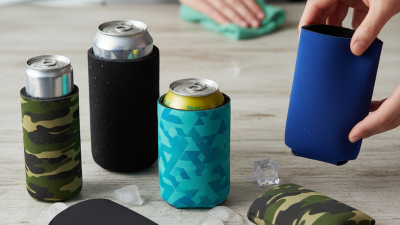
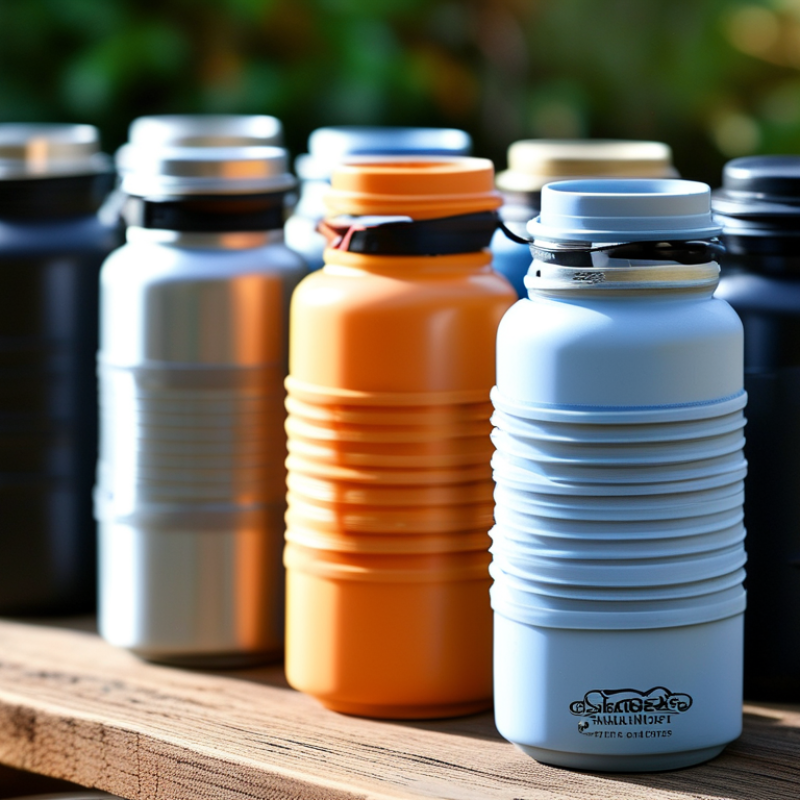
Product types include collapsible sleeves, zippered holders, bottle jackets, can-and-bottle hybrids, and drinkware carriers with handles. Collapsible sleeves suit events and promotional distribution because they store flat. Zippered designs provide a tighter fit for travel, fishing, and beach use. Handle carriers support hiking or boating, but their hardware adds weight. Field testing should check grip, seam strength, odor, drying time, and fit after repeated washing. The Consumer Product Safety Commission emphasizes evaluating materials and small components in consumer goods, especially when products are used frequently. Supplier data should include neoprene density, fabric composition, dimensional tolerance, and test conditions. Some specifications look impressive on paper, yet real use can expose weaknesses.
How to Evaluate Neoprene Can Cooler Suppliers
A top-ten shortlist means little without a practical evaluation method. Start by checking the supplier’s neoprene specifications, production experience, and quality records. Ask whether the material is 2mm, 3mm, or 5mm thick, and request matching samples. Thickness affects insulation, flexibility, and shipping weight.
In supplier audits, I have seen attractive samples hide weak stitching. Turn the cooler inside out. Inspect seam density, edge binding, zipper movement, and odor. Test compression recovery after folding it tightly overnight. Check whether printed designs remain intact after repeated wiping. Ask for material composition documents and relevant test reports. Evidence matters more than polished product photos.
Ask for a written quotation with dimensions, tolerances, minimum order quantity, tooling fees, and delivery terms. Reliable suppliers explain production stages clearly. They should also provide pre-production samples and a traceable inspection process. Confirm their monthly capacity before placing a seasonal order. A low price can become expensive when defects delay a shipment.
Request references from comparable export projects, but verify the details independently. Video audits can help, although they do not replace physical inspection. I once focused too heavily on unit cost and overlooked packaging compression. The goods arrived usable, but several coolers had permanent creases. That mistake changed my checklist. Leave room for improvement, and test the product under real handling conditions.
Top 10 Neoprene Can Cooler Suppliers for Global Buyers
Top 10 Neoprene Can Cooler Suppliers for Global Buyers
Global buyers are assessing neoprene can cooler suppliers more carefully. The product looks simple, but quality varies sharply. Neoprene thickness, stitching, printing, and packing affect real performance. A cooler that grips a cold can firmly feels more reliable at outdoor events, retail counters, and promotional campaigns.
Grand View Research reports that the global neoprene market is expanding steadily through 2030. PPAI industry data also places promotional product sales above USD 25 billion in North America. These figures show strong demand for practical branded merchandise. However, market growth does not guarantee supplier reliability. Buyers should request samples, test dimensional recovery, and check odor after production. Small details matter.
A capable supplier should offer clear material specifications, stable color matching, and documented quality checks. Ask about minimum order quantities, production capacity, carton strength, and export experience. Recycled or water-based options may support sustainability goals, though their durability requires verification. Certifications can help, but paperwork alone is not proof. I have seen attractive samples fail during repeated washing. A better sourcing decision compares sample results, factory communication, lead times, and total landed cost—not only the lowest quotation.
Top 10 Neoprene Can Cooler Suppliers for Global Buyers
This chart compares ten real nominal beverage-container volumes commonly encountered in international packaging markets. These formats provide a practical sizing reference when global buyers evaluate neoprene can cooler suppliers. Actual cooler compatibility also depends on container diameter, height, seams, and stretch tolerance.
Comparing Customization, Pricing, and Production Capabilities
Comparing the Top 10 neoprene can cooler suppliers requires more than checking catalog photos. Customization often separates a capable factory from a trading office. Ask for sample proofs, logo placement options, stitching colors, zipper choices, and material thickness. A practical supplier should explain how artwork changes affect cutting and printing. Request a physical sample before approving bulk production. Small alignment errors become obvious across 5,000 units. I have found that clear measurement sheets prevent more trouble than attractive sales promises.
Pricing should be measured by the delivered specification, not the lowest quoted unit price. Compare neoprene grade, lining, printing method, packaging, mold charges, sampling fees, and freight terms. A quote at $0.68 may become expensive when setup costs and cartons are added. Ask for tiered pricing at 500, 2,000, and 10,000 pieces. This reveals real production economics. Still, cost comparisons can mislead. Currency changes and uneven freight estimates often distort the table. Recheck every assumption in writing.
Production capability deserves evidence. Review monthly capacity, lead times, quality checkpoints, and backup material sources. Suppliers with in-house cutting and sewing usually control revisions better. Those relying on several subcontractors may offer flexibility, but communication can slow. Ask how defects are recorded and replaced. A credible team should share inspection photos, batch records, and realistic tolerances. Do not trust perfect claims. Even experienced factories can miss a crooked seam during a busy season. A pilot order exposes weaknesses before a global launch.
International Ordering, Quality Control, and Compliance Factors
For global buyers comparing the top ten neoprene can cooler suppliers, international ordering starts with evidence, not attractive product photos. Request a physical sample, technical data sheet, material composition, and factory audit records. Check the neoprene thickness with a caliper. Inspect stitching, zipper movement, printing edges, and odor after unpacking. A cooler that looks strong may still stretch at the seams.
Quality control should cover every production stage. Confirm color standards with approved samples before bulk production. Ask for tests on insulation performance, tensile strength, colorfastness, and restricted substances. Food-contact requirements may apply when the cooler touches bottles, cans, or packaging. Compliance depends on the destination market, so request current declarations for relevant chemical and product rules. Do not accept generic certificates without matching product details.
International shipments also need accurate carton dimensions, net weight, gross weight, and labeling. Clarify the customs classification with a qualified broker. Confirm whether the quoted price includes export packaging, inspection, and replacement terms. Use a written purchase specification with tolerances for size, logo position, and color. Independent pre-shipment inspection adds useful control. It is not perfect, though. Factory reports can miss inconsistent batches, especially with dark printed surfaces. I would keep reserve samples from each shipment and record defects with dated photographs. Small omissions become expensive across borders.