Leave Your Message
Request a Quote

Top Tips for Choosing the Best Neoprene Can Cooler?

Choosing the right Neoprene Can Cooler is more than just a simple decision. It can enhance your drinking experience significantly. According to industry expert Lisa Lin, “A good Neoprene Can Cooler can keep your beverages cold and your hands dry.” This illustrates the importance of making an informed choice.

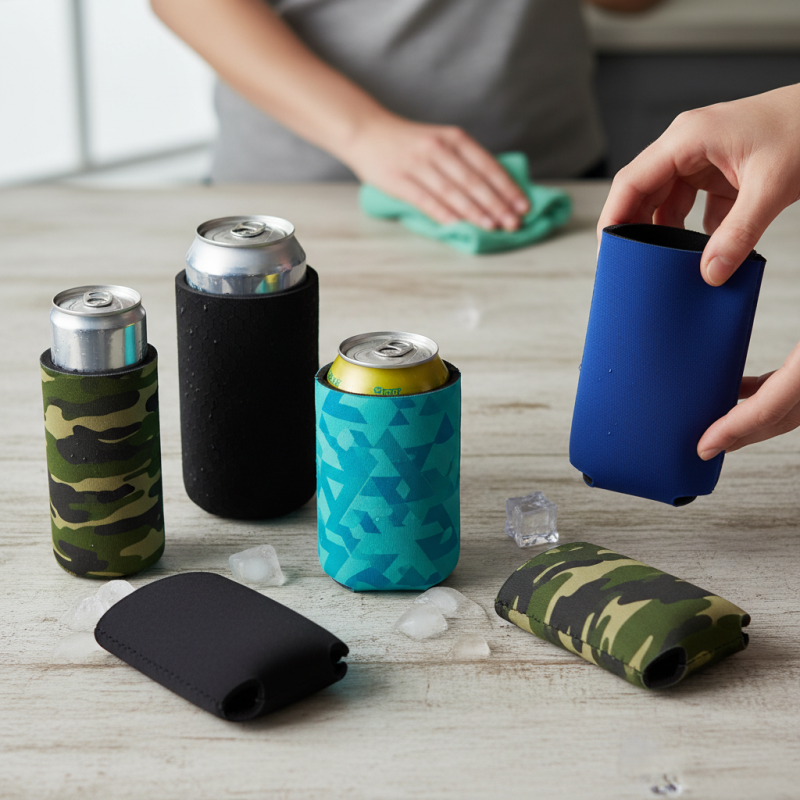
When selecting a Neoprene Can Cooler, consider the insulation quality. Not all coolers perform the same. A well-insulated cooler can maintain temperature longer. Look for custom designs and sizes to fit your style. Durability is key too; the fabric should withstand regular use.

Think about ease of cleaning as well. Some models may look great but are hard to maintain. Overall, identifying your needs and preferences is essential. Sometimes, we choose based on looks rather than function, so reflect on what really matters in your cooler.
Top Tips for Choosing the Best Neoprene Can Cooler?

Understanding Neoprene: Properties that Make It Ideal for Can Coolers

Top Tips for Choosing the Best Neoprene Can Cooler?

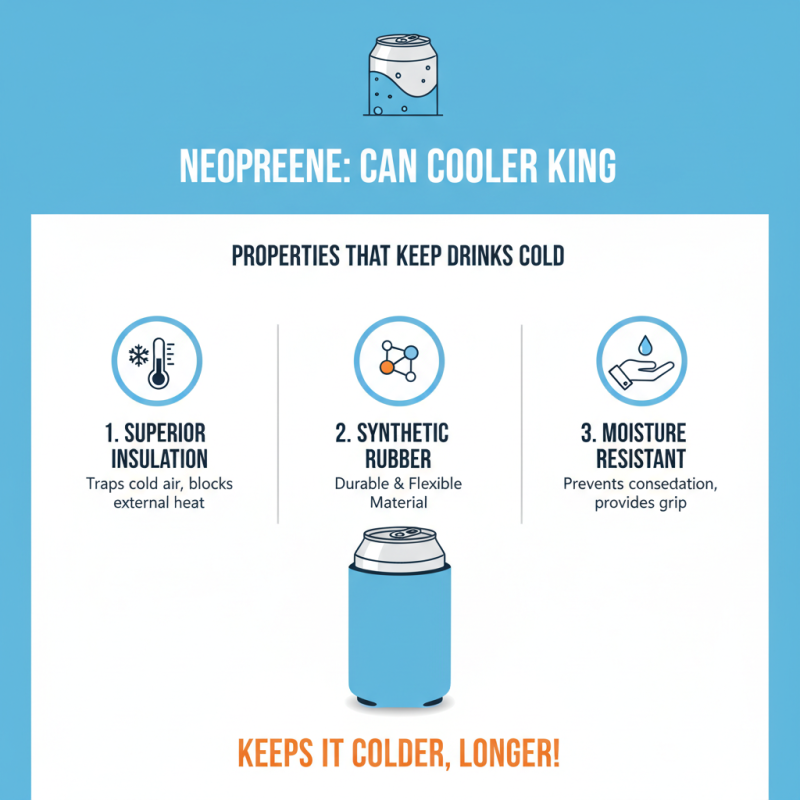
Neoprene is a popular material for can coolers, and for good reason. Its unique properties make it an excellent choice for keeping beverages cold. Neoprene is a type of synthetic rubber known for its excellent insulation capabilities. This means it effectively traps cold air inside, preventing the heat from the outside from warming your drink.

Additionally, neoprene is lightweight and flexible. This makes it easy to carry around, whether you are at a picnic or a beach party. Its stretchy nature allows it to fit snugly around different can sizes, ensuring maximum insulation. However, not all neoprene is created equal. Some can coolers may use lower-quality neoprene, which could lead to quicker temperature loss. Checking the thickness of the neoprene can be helpful in determining its insulating ability.

Aside from insulation, neoprene is also durable. It withstands wear and tear quite well, making it a reliable choice for outdoor use. But, over time, some neoprene can lose its effectiveness due to sun exposure or frequent washing. It's important to maintain your cooler by cleaning it properly. Regular care can extend its lifespan, enabling you to enjoy cold drinks longer.

Evaluating Insulation Efficiency: How Neoprene Keeps Your Beverage Cold

When it comes to keeping your favorite drinks cold, neoprene can coolers are a game-changer. The unique insulation properties of neoprene create a barrier that resists external heat. This means that your beverage remains at the ideal temperature for hours. The material adapts to the surface temperature, providing the perfect fit for cans and bottles.

One essential factor in choosing a neoprene cooler is its thickness. Thicker materials usually offer better insulation. Notice how some coolers keep drinks cold longer than others? This is often due to the quality and design of the neoprene. Look for double-layered options if you want maximum effectiveness. Keep an eye out for seams as well; stitching should be tight to minimize heat transfer.

While neoprene is durable, it may still show wear over time. Frequent use can lead to fading or slight degradation, especially in extreme temperatures. Consider how often you will use the cooler. Regular maintenance, like cleaning after use, can help extend its lifespan. Reflecting on how you utilize your cooler can guide your selection process effectively.

Size Matters: Choosing the Right Fit for Your Beverage Containers

When selecting a neoprene can cooler, size is crucial to ensure your beverage remains cold. Many coolers are designed to fit standard cans and bottles. However, not all beverage containers are the same. The World Health Organization (WHO) reports that 15% of beverage packaging varies in size. This inconsistency can lead to a poor fit, impacting the cooling efficiency.

The right fit matters significantly. A snug cooler will reduce the amount of heat transfer, keeping drinks icy for longer periods. In a study by the Beverage Marketing Corporation, it was found that well-fitted coolers can extend a drink's coldness by up to 50%. On the other hand, a loose cooler may allow warm air to seep in, reducing its effectiveness.

Measuring the diameter and height of your beverage container is an essential step. Standard cans often measure around 2.6 inches in diameter. Bottles can vary widely, leading some consumers to overlook the fitting process. Inadequate sizing leads to wasted investment.

Consider that a cooler that doesn't fit may fail during peak summer outings. Always prioritize choosing the right size for maximum benefit.

Durability and Care: Maintenance Tips for Prolonging Neoprene Can Coolers

When it comes to neoprene can coolers, durability and care are essential for longevity. These coolers can withstand various outdoor conditions, but proper maintenance is crucial. Sunlight exposure can degrade neoprene over time. Store your cooler in a cool, dry place away from direct light.

Cleaning your cooler regularly can prevent odors and buildup. Hand wash it with mild soap and lukewarm water. Avoid harsh detergents and never machine wash. Rinse thoroughly to remove all soap residues. Allow it to air dry completely before storing. This simple step can significantly extend its life.

Occasional inspection is important. Look for any signs of wear or tear. Address any damage promptly to prevent further tearing. While neoprene is tough, it is not indestructible. Proper care will keep your cooler working efficiently. Remember, investing time in maintenance pays off in the long run.

Top Tips for Choosing the Best Neoprene Can Cooler

This chart illustrates the importance rating for various factors when choosing the best neoprene can cooler. Durability is rated the highest, followed by care instructions and design variety, highlighting what consumers prioritize in their selection process.

Sustainability in Production: Impact of Neoprene on the Environment

Neoprene, often used in can coolers, poses significant environmental concerns. Studies indicate that neoprene production contributes to pollution and uses non-renewable resources. According to a 2022 report by the Environmental Protection Agency, about 3.1 million tons of synthetic rubber, including neoprene, are produced globally each year. This process emits harmful chemicals, impacting air quality.

Despite the insulating benefits, neoprene's impact on the environment cannot be ignored. It takes hundreds of years to decompose. As it breaks down, it can release toxic substances, harming both ecosystems and human health. Research published in the Journal of Cleaner Production highlights that alternative materials, such as natural rubber or recycled fabrics, can substitute for neoprene, reducing ecological footprints.

Choosing eco-friendly materials is imperative. Brands that focus on sustainable practices often struggle to balance cost and ecological responsibility. Exploring biodegradable options offers promise but requires ongoing research and development. Advocating for sustainable materials can drive market change. Awareness among consumers can increase demand for greener alternatives and help reduce the environmental burden caused by materials like neoprene.

Top Tips for Choosing the Best Neoprene Can Cooler

Feature Description Environmental Impact
Material Quality Choose high-quality neoprene for durability and better insulation. Higher quality neoprene may result in less waste and better longevity.
Thickness Opt for 3-5mm thickness for optimal insulation. Thicker materials often have better insulation properties, potentially reducing energy consumption.
Customization Look for options that allow color and logo customization. Customized products can increase awareness about sustainability initiatives.
Usage Consider different designs for various can sizes and types. Versatile products reduce the need for multiple items, lowering overall environmental footprint.
Sustainability Research brands advocating for eco-friendly practices. Support brands that reduce carbon emissions and use recycled materials.