Leave Your Message
Request a Quote

Why Choose Neoprene Beach Shoes for Water Activities?

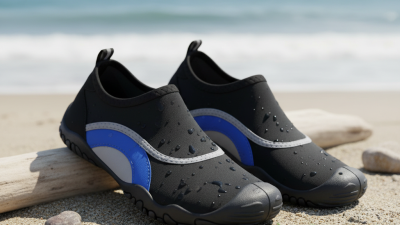
Water activities rarely stay on soft, predictable sand. A short walk to the water may cross hot boardwalks, rough pebbles, slippery rocks, or shells. Bare feet can feel every sharp edge. Ordinary sneakers, meanwhile, may become heavy and slow to dry. Neoprene Beach Shoes offer a practical middle ground, combining a flexible upper with a protective sole for many beach and water settings. Small details matter.

Neoprene can help retain warmth and move comfortably with the foot, while a well-designed sole may improve grip on wet surfaces. That can be useful when launching a kayak, wading through shallow water, or walking between a beach and a boat. But no shoe prevents every slip or protects against every hazard. Traction depends on the outsole, the surface, and how securely the shoes fit. A loose heel can rub; a tight fit can become uncomfortable as feet swell.

This guide explores what Neoprene Beach Shoes can—and cannot—do during water activities. It considers comfort, sole design, drainage, fit, and the conditions where these shoes make sense. You will also find practical points to check before choosing a pair, such as seams, toe coverage, and how easily the shoes rinse clean. One overlooked issue is drying time: damp shoes can feel unpleasant long after the swim. Choosing well helps, but it does not replace careful footing or checking local water conditions. Comfort is personal.
Why Choose Neoprene Beach Shoes for Water Activities?

What Neoprene Beach Shoes Are and How They Work

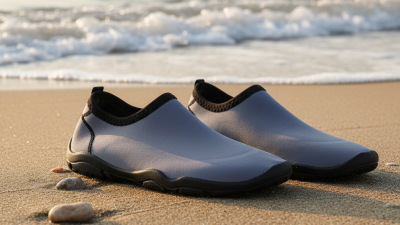
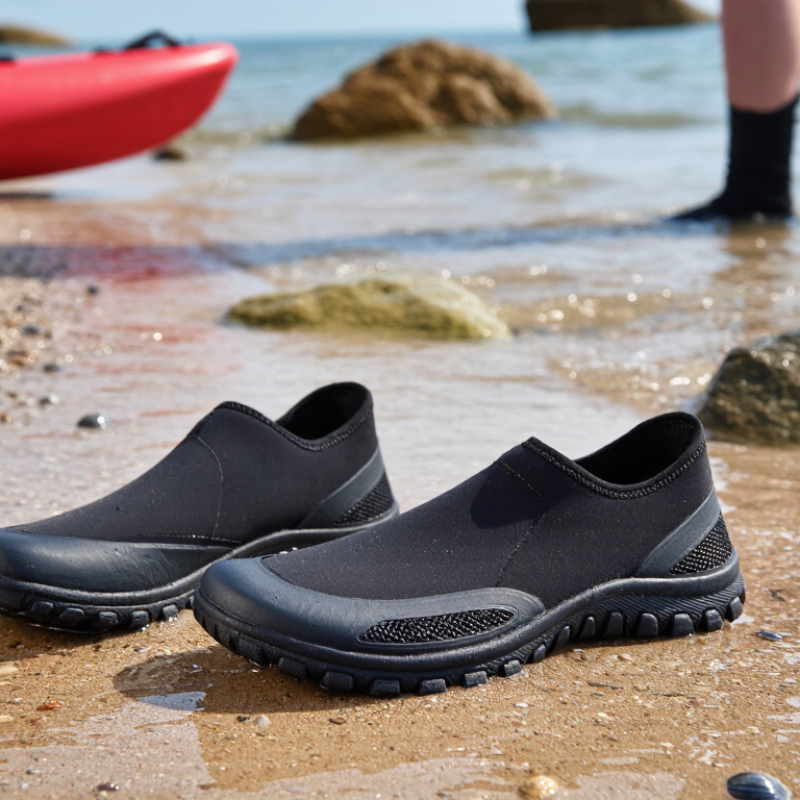
Neoprene beach shoes are lightweight footwear made with a flexible, rubber-like foam used in many water sports. The material contains tiny gas-filled cells, which help slow heat loss when feet are in cool water. It also stretches around the foot, creating a close fit that can reduce rubbing from sand and small pebbles. They are not magic.

Most designs pair a neoprene upper with a textured rubber sole. The upper helps limit direct contact with cold water, while the sole adds grip on wet rocks, boat decks, or poolside surfaces. Water can still enter through openings or seams, so these shoes should not be treated as fully waterproof. Some styles include drainage holes, which let water escape and help the shoes feel less heavy after a swim. Fit matters: a shoe that is too loose may shift, while one that is too tight can feel uncomfortable as feet swell slightly in warm conditions. I have found that checking the sole’s flexibility and trying the shoes with bare feet can reveal more than appearance alone. They can also take time to dry.
How Neoprene Helps Protect Feet in and Around Water

Neoprene Beach Shoes for Water Activities

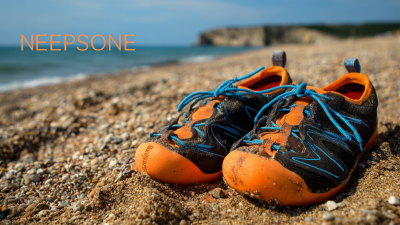
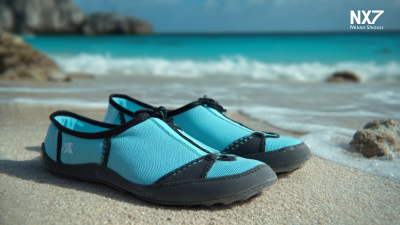
Neoprene helps protect feet by adding a soft layer between skin and rough surfaces. On a rocky shoreline, it can reduce scrapes from small stones and shells. The close-fitting fabric also helps keep grit from rubbing directly against your toes. A snug fit matters. Loose shoes can shift when you wade through shallow water.

Neoprene offers some insulation, too. It can make cool water feel less harsh, especially during a short swim or while standing at the water’s edge. But it does not keep feet warm in every condition. Water still enters many beach shoes, and warmth depends on thickness, fit, and how long you stay in the water. They are not armor. Check the sole for grip before walking over wet rocks, since neoprene alone cannot prevent slips. After use, rinse away sand and salt, then let the shoes dry fully. I have found that seams and toe areas can feel uncomfortable if the fit is too tight, even when the shoes seem secure in the shop. A little room helps, but too much allows the heel to lift.

Why neoprene helps: Foamed neoprene contains gas-filled cells that slow heat transfer. Its insulation helps reduce heat loss in cool water, while the shoe also provides a barrier between feet and rough or hot surfaces. Values shown are approximate; conductivity varies with material composition, density, and temperature.

Key Benefits for Different Water Activities

Neoprene beach shoes are useful when water activities involve more than soft sand. Their flexible upper helps keep small stones and grit away from the skin, while a textured sole can improve footing on wet paths. The cushioning also softens contact with pebbles during shore entry. Not a guarantee against slips, though.

For kayaking and paddleboarding, a close fit helps shoes stay on when stepping into shallow water or climbing back aboard. Neoprene offers some warmth in cool conditions, and many designs drain water through openings in the sole. That matters when you spend hours with damp feet. Check the fit carefully; loose shoes can rub, while overly tight ones may feel uncomfortable as feet swell.

On rocky beaches or during casual snorkeling, shoes can reduce scrapes from rough surfaces and scattered shells. They are less helpful on soft sand, where bare feet may feel more natural. Some soles also reduce sensitivity when you want to feel the seabed. A small trade-off. Rinse shoes after saltwater use and let them dry fully, since trapped moisture can cause odor and shorten their useful life.

How to Choose the Right Fit and Sole

Neoprene beach shoes should feel snug, like a close-fitting sock, without squeezing your toes. Try them on with the socks you expect to wear, if any. Your toes should reach the front without curling, and the heel should stay in place when you walk. Not painfully tight. A loose shoe can collect water and grit, while a tight one may rub as your feet swell in warm conditions. Check the heel. A little movement is normal, but repeated slipping can cause blisters.

Choose the sole for the ground you will actually cross. Pebbly shorelines and rocky entries call for a thicker, textured sole that protects against sharp surfaces. On sand or smooth pool decks, a thinner, more flexible sole may feel easier to move in. Flex matters: bend the shoe gently and see whether it moves with your foot, rather than folding flat. More tread does not guarantee grip on every wet surface. I would avoid judging fit from a quick try-on alone; walk a few steps, then reassess. A small pressure point can become surprisingly annoying in water.

Care, Durability, and Practical Limitations

Why Choose Neoprene Beach Shoes for Water Activities?

Neoprene beach shoes stay flexible in cool water, but their lifespan depends on care. Rinse them inside and out after each swim, especially after exposure to salt or chlorine. Grit trapped around the seams can rub the fabric during walking. Let shoes dry in shade with the openings spread wide. Direct heat may weaken adhesives and stiffen rubber components. Small habit. Big payoff. The World Health Organization’s Global Solar UV Index guide reports that water reflects less than 10% of UV radiation, while sand reflects about 15%. Sun exposure still adds up, so drying shoes out of direct sun is a sensible precaution.

Durability has limits. Neoprene can stretch, seams can split, and thin soles may wear quickly on rough rock. ASTM International’s F2913 footwear test method measures slip resistance under controlled conditions; it cannot guarantee grip on every wet surface. Fit matters, too. A loose heel can let sand in, while a tight shoe may chafe after swelling. There is no universal wear-life figure: construction, use, and care vary. That uncertainty is easy to overlook.

Tips: Rinse, gently squeeze out water, and air-dry away from heaters. Check the sole and seams regularly. Replace shoes when the sole separates or the fabric tears. Don’t pull hard on the heel; it can distort the opening.

Why Choose Neoprene Beach Shoes for Water Activities? - Care, Durability, and Practical Limitations

Consideration What Neoprene Beach Shoes Offer Practical Limitations Useful Guidance
Thermal comfort Neoprene can reduce heat loss and help keep feet more comfortable in cool water. It does not keep feet completely dry, and warmth varies with material thickness, fit, water temperature, and activity. Choose a snug, comfortable fit and use shoes suited to the expected water conditions.
Foot protection A covered upper and sole can help shield feet from sand, small stones, shells, and rough surfaces. Protection depends on sole thickness and construction; these shoes are not puncture-proof or protective footwear for every hazard. Check the sole and upper for damage before use, and avoid stepping on hazards you cannot see.
Grip and traction A patterned rubber or synthetic sole may improve grip on some wet or uneven surfaces. Traction differs by outsole design and surface. Algae-covered rocks, smooth tiles, and other slippery surfaces can remain hazardous. Move carefully on slick surfaces and do not treat water shoes as a substitute for caution.
Fit and movement A close-fitting design can help reduce shoe movement while wading, swimming, or walking along the shore. A fit that is too tight may rub or restrict movement; a loose fit may let sand and debris enter. Try shoes on with the socks, if any, that you plan to wear, and check for pressure points.
Drying and drainage Many water shoes are designed to drain water and dry more readily than ordinary closed shoes. Neoprene can retain moisture, so drying time depends on thickness, lining, airflow, and conditions. Rinse after use, open the shoe as much as possible, and air-dry it fully before storage.
Durability With suitable use and care, the flexible upper and sole can handle regular beach and water activity. Repeated abrasion, sharp objects, chlorine, salt, prolonged sunlight, and poor storage can contribute to wear. Inspect seams and soles regularly; replace shoes if the sole separates or the material becomes damaged.
Care and cleaning Basic care is usually straightforward: rinse away sand and salt, then allow the shoes to air-dry. Heat, harsh chemicals, and machine drying may damage materials or adhesives, depending on the product. Follow the care instructions supplied with the shoes. Avoid direct high heat and store them dry.
Best-suited activities They can be useful for beach walking, wading, paddle sports, and other activities where foot coverage is helpful. They may not provide the support, stiffness, or protection needed for long-distance hiking or specialized water sports. Match the shoe design to the activity, terrain, and level of support required.
Overall trade-off Neoprene beach shoes combine flexible coverage with water-friendly construction for many casual aquatic activities. They are not fully waterproof, do not guarantee warmth or grip, and can wear out with demanding use. Choose based on fit, outsole, intended conditions, and care requirements rather than material alone.

Performance varies by shoe construction, fit, surface, and conditions. Check the product care instructions and use appropriate caution around water.