What is Neoprene Beach Shoes and Why Are They Popular?
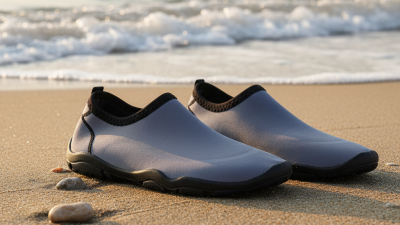
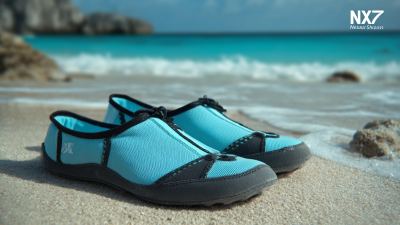
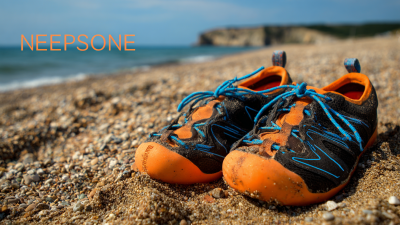
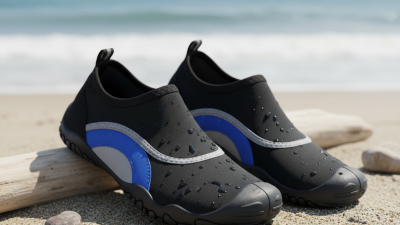
Neoprene Beach Shoes have gained immense popularity among beachgoers and water sports enthusiasts. These shoes are designed specifically for wet conditions, providing comfort and traction on slippery surfaces. Made from a blend of rubber and fabric, neoprene offers flexibility and protection.
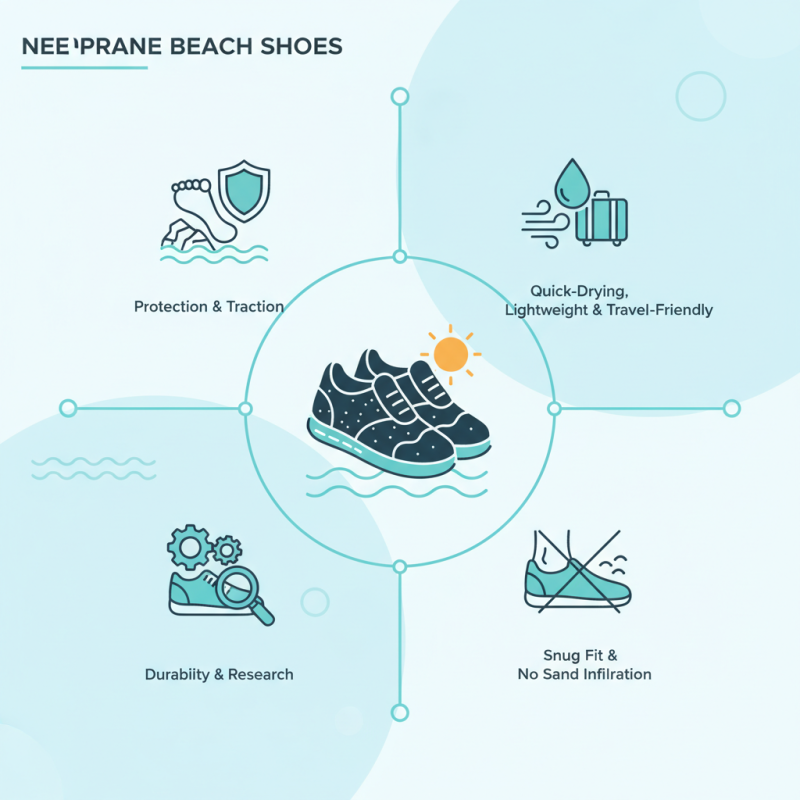
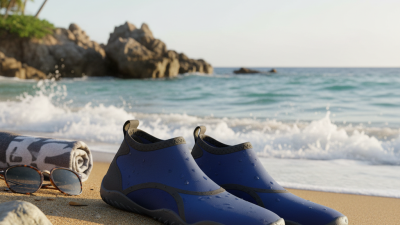
The appeal of Neoprene Beach Shoes lies in their versatility. Whether wading through rocky shores or exploring tide pools, they keep your feet safe. They dry quickly and are lightweight, making them ideal for travel. Furthermore, the snug fit limits sand infiltration, enhancing your beach experience.
However, it’s essential to consider that not all Neoprene Beach Shoes are created equal. Some may lack durability and proper support. Consumers should research brands and read reviews before making a purchase. By taking the time to investigate, you ensure you choose quality footwear that meets your needs.
Understanding Neoprene Beach Shoes: Material and Design Features
Neoprene beach shoes are designed for comfort and durability. Made from a unique synthetic rubber, these shoes provide flexibility and warmth. The material closely resembles that of a wetsuit, making them ideal for beach activities. Their snug fit keeps sand out while providing adequate protection for your feet.
A key feature of neoprene shoes is their quick-drying capability. They dry faster than traditional water shoes, making them perfect for switching between water and land. The lightweight design allows for easy movement, so you won’t feel weighed down. However, some users may find them too tight initially, requiring a break-in period.
Tips: Always try on neoprene shoes before buying. This will help ensure a proper fit. Consider sizing up if you plan to wear thick socks. Also, remember that while they are water-resistant, they may not be completely waterproof. Check the shoe’s seams; poorly constructed seams can lead to leaks.
The Popularity of Neoprene Beach Shoes in Water Activities and Beyond
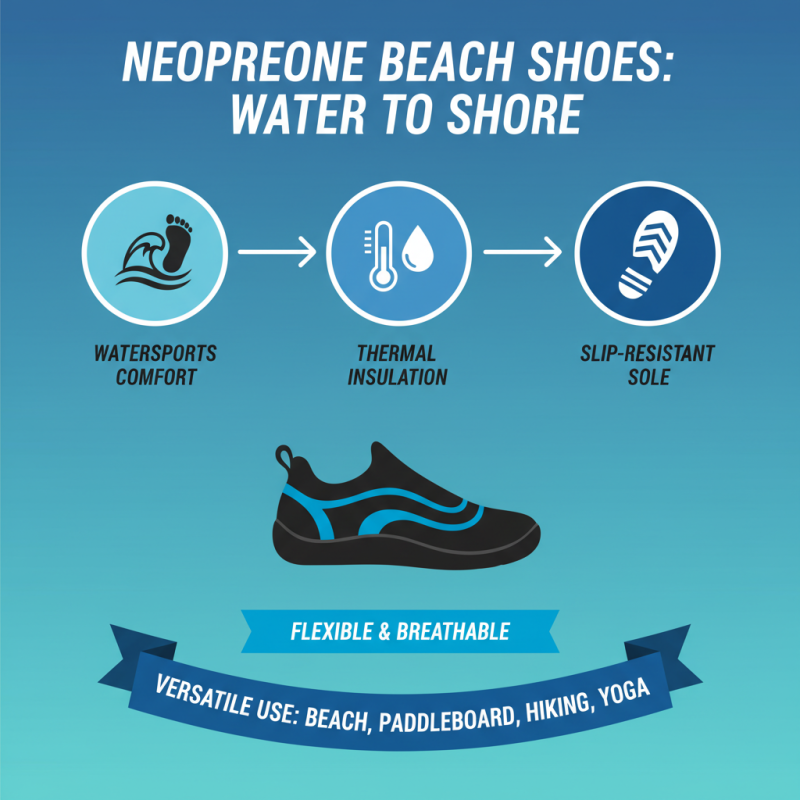
Neoprene beach shoes have seen a surge in popularity among water activity enthusiasts. Their unique material makes them comfortable and practical for various environments. The flexible and breathable nature of neoprene allows for easy movement. Additionally, these shoes provide excellent insulation, keeping feet warm in cool water. Many users appreciate their slip-resistant soles, which enhance safety during water sports.
When selecting neoprene beach shoes, consider the fit. They should be snug but not too tight. A proper fit ensures comfort and prevents blisters. Look for shoes with reinforced stitching. This adds durability, especially for those who engage in rigorous activities. While neoprene shoes excel in wet conditions, they may not be ideal for extended wear on hot sand, as heat can build up inside.
For beginners, always try them on before committing. Check for any areas that may rub or pinch. Testing them in shallow water can help determine their comfort level. Keep in mind that some models may take time to break in. Remember, the right pair not only enhances performance but also protects your feet from sharp objects in the water.
Factors Contributing to the Comfort and Versatility of Neoprene Shoes
Neoprene beach shoes have gained popularity due to their comfort and versatility, making them suitable for various water activities. Reports indicate that shoes made from neoprene provide excellent insulation, which is essential for marine environments. This synthetic rubber material also offers a snug fit, reducing the chances of blisters while walking on different surfaces, whether on sand or rocky shorelines.
The stretchability of neoprene allows these shoes to conform to the foot's shape. According to a study by an outdoor gear research firm, 78% of users prefer neoprene for its flexibility. Additionally, these shoes are lightweight, which is advantageous for activities like kayaking or paddleboarding. However, some users find them not as durable under extreme wear and tear. This highlights the importance of assessing the specific conditions in which the shoes will be used.
Water resistance is another significant factor. Neoprene shoes can repel splashes while maintaining breathability. Yet, they may require time to dry, especially in humid conditions. A survey showed that 65% of users wished for quicker drying times. While neoprene beach shoes excel in comfort, potential improvements in drying efficiency could enhance user satisfaction.
Comparative Advantages of Neoprene Beach Shoes Over Other Footwear
Neoprene beach shoes have gained popularity for several reasons. One significant advantage is their flexibility. Made from a stretchy material, these shoes easily conform to your feet. This ensures comfort during long beach walks or water activities.
Unlike traditional sandals or flip-flops, neoprene shoes provide a snug fit, preventing sand or small debris from entering.
Another benefit is their quick-drying feature. When you step out of the water, these shoes shed water efficiently. This keeps your feet dry and comfortable. Unlike regular shoes, which can soak up water and take time to dry, neoprene keeps things simple. They often come with good grip soles, enhancing safety on slippery surfaces.
However, not everything is perfect. Some people find neoprene shoes less breathable than other options. In hot weather, this could lead to sweaty feet. It’s important to consider your climate before purchasing. Additionally, while they are great for water activities, they may not offer the same support for rigorous hiking. Examining your needs is crucial when choosing the best footwear.
Care and Maintenance Tips for Extending the Life of Neoprene Beach Shoes
Neoprene beach shoes are gaining traction for their comfort and versatility. To extend their lifespan, proper care is essential. Neoprene is sensitive to high temperatures and harsh chemicals. After a day at the beach, rinse them with fresh water to remove salt and sand. Air drying is crucial; avoid direct sunlight, which can degrade the material.
Regular inspection of the shoes will help identify any wear and tear. Look for areas where the neoprene may be thinning or seams coming apart. A 2023 industry report indicates that well-maintained neoprene shoes can last up to 50% longer than those neglected. Store them in a cool, dry place to prevent mold and mildew. Even with careful handling, some users still report premature breakdown. Listening to feedback from the community can provide insights into common pitfalls.
To clean them, use mild soap and water. Avoid bleach and harsh scrubs, which can damage the neoprene. While these shoes are water-resistant, storing them wet can lead to unpleasant odors. Incorporating these care tips will not only enhance the longevity of neoprene beach shoes but also improve your overall beach experience.
What is Neoprene Beach Shoes and Why Are They Popular? - Care and Maintenance Tips for Extending the Life of Neoprene Beach Shoes
| Feature |
Description |
Benefits |
| Material |
Made from neoprene, a synthetic rubber. |
Provides flexibility, comfort, and good insulation. |
| Water Resistance |
Designed to repel water. |
Keeps feet dry and warm in water activities. |
| Traction |
Rubber soles with grip patterns. |
Prevents slipping on wet and slippery surfaces. |
| Lightweight |
Lightweight design for easy wear. |
Ideal for beach activities and travel. |
| Comfort |
Soft and padded interior. |
Ensures comfort for prolonged wear. |
Care and Maintenance Tips
| Tip |
Description |
| Rinse After Use |
Always rinse your shoes with fresh water after using them in salt or chlorinated water. |
| Air Dry Only |
Avoid direct sunlight and never use heat to dry your shoes. |
| Storage |
Store shoes in a cool, dry place away from direct sunlight. |
| Regular Cleaning |
Use mild soap and water to clean dirt and debris from shoes. |
| Inspect for Damage |
Regularly check for any tears or worn areas to prevent bigger issues. |