Top Surfing Suits for Ultimate Performance and Comfort in Water Sports?
When it comes to water sports, the right gear can make all the difference. Surfing suits are essential for both performance and comfort. They offer support and protection, allowing surfers to focus on their skills. However, not all surfing suits are created equal. The materials, fit, and design can vary greatly.
Finding the perfect surfing suit can be challenging. Many factors come into play, such as water temperature and personal style. A suit that fits well enhances movement and flexibility. At the same time, it should keep warmth during cold sessions. This balance is critical for an effective surfing experience.
While top surfing suits may offer high performance, they often come at a premium price. It's important to evaluate whether the investment matches your surfing frequency and level. Sometimes, a mid-range option might suffice. Understanding the purpose and features of each suit can lead to better choices. A well-informed decision is essential in juggling comfort, performance, and budget.

Top Materials Used in Surfing Suits for Enhanced Performance
When choosing a surfing suit, the materials used play a crucial role. Neoprene is the most common fabric. It provides insulation and flexibility, crucial for keeping warm in cold waters. Many surfers prefer super-stretch neoprene for its lightweight feel. However, thick materials can feel restrictive, especially during lengthy sessions.
Another innovative material is Limestone-based neoprene. It offers a more eco-friendly option without sacrificing performance. This material is lighter and provides excellent thermal retention. Yet, some might find it less durable than traditional neoprene. Balancing performance and longevity can be tricky, and not all suits hold up over time.
Additionally, some suits incorporate natural fibers like merino wool. These fibers are breathable and offer warmth even when wet. They also reduce odor, but they can come with a higher price tag. Surfers should carefully consider their needs and preferences when selecting materials. Comfort and performance should be a top priority, but individual experiences can vary significantly.
Optimal Fit: How Size and Design Impact Comfort and Mobility
The fit of a surfing suit greatly impacts performance and comfort. An optimal fit can enhance mobility, allowing surfers to paddle with ease and maneuver effectively on the waves. If a suit is too tight, it restricts movement. Conversely, a loose fit can cause drag and lessen control.
When considering design, flexibility is key. Look for materials that stretch and move with the body. Suits with strategic seams can provide support without sacrificing comfort. However, some might overlook the importance of proper sizing. A poorly chosen suit can lead to discomfort, affecting both confidence and performance in the surf.
Many surfers share stories of suits that didn’t meet expectations. They often wish they had prioritized fit over aesthetics when making a purchase. Trying on different styles and cuts is crucial. The right suit ultimately feels like a second skin, promoting both comfort and confidence in the water.
Top Surfing Suits for Ultimate Performance and Comfort
This chart displays the comfort and mobility ratings of various surfing suit designs based on size and fit. Each suit is rated on a scale from 1 to 10, with 10 representing the highest level of comfort and mobility for wearers.
Thermal Technology in Surfing Suits: Keeping Warm in Diverse Waters
Thermal technology in surfing suits is essential for surfers facing diverse water conditions. Staying warm is crucial for maintaining performance and focus in colder environments. High-quality insulation materials trap body heat while allowing flexibility. This design keeps surfers agile, even in frigid waters.
Different thermal technologies offer unique benefits. Some suits utilize insulating layers, while others focus on hydrophobic fabrics that repel water. Surfers should consider their local conditions when choosing a suit. Chilly mornings at the beach can be deceiving; proper gear makes all the difference. This requires careful research and consideration from athletes.
Surfers may face challenges while selecting the right thermal suit. Not all suits fit the same way, and body shapes vary. Over time, a well-fitted suit can lose its insulating properties. Regular maintenance is crucial. Understanding when to replace or repair a suit can prevent unanticipated cold shocks. Each experience on the water provides insight into gear performance, guiding future choices.
Top Surfing Suits for Ultimate Performance and Comfort in Water Sports
| Suit Type |
Water Temperature |
Material |
Thickness |
Special Features |
| Full Suit |
50°F - 65°F |
Neoprene |
4/3 mm |
Seam Sealed, Quick Dry |
| Shorty Suit |
65°F - 75°F |
Neoprene |
2/2 mm |
UV Protection, Lightweight |
| Lycra Suit |
Above 75°F |
Spandex, Nylon |
N/A |
Flexible, Quick Dry |
| Hybrid Suit |
50°F - 75°F |
Neoprene + Mesh |
3/2 mm |
Thermal Lining, Flex Zones |
| Winter Suit |
Below 50°F |
High-Quality Neoprene |
5/4 mm |
Thermal Tech, Enhanced Insulation |
Durability Factors: Longevity of Surfing Suits in Extreme Conditions
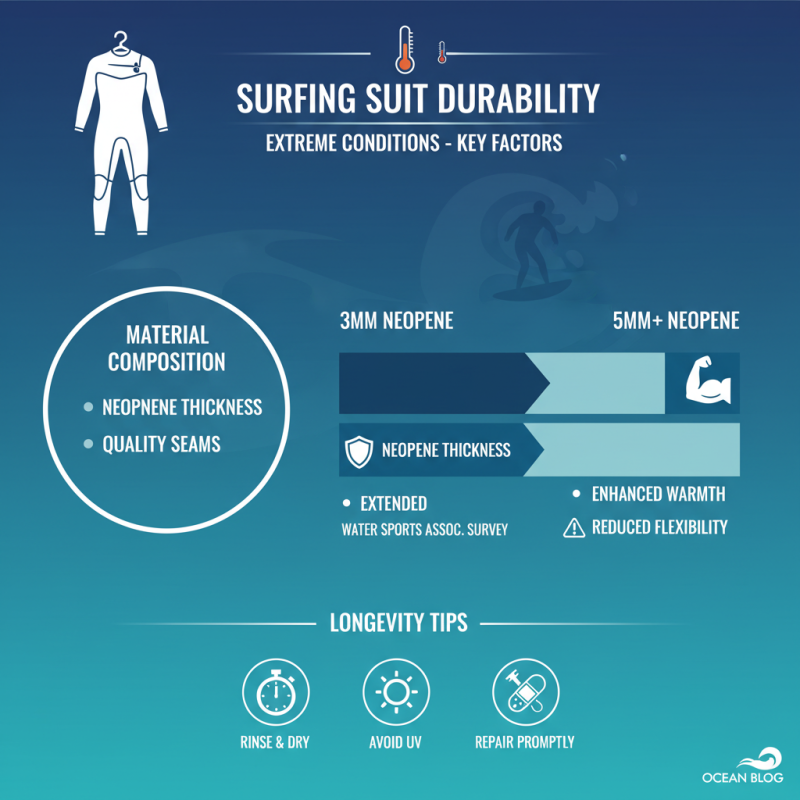
When choosing surfing suits, durability is crucial. The longevity of these suits often hinges on their material composition. Neoprene thickness plays a vital role. A survey from the Water Sports Association found that suits with 3mm neoprene can withstand extended wear in extreme conditions. However, the trade-off can be flexibility. Thicker materials might feel restrictive for some surfers.
Seams are another significant factor. Specifically, blind-stitched seams are known for their strength and water resistance. A 2022 study indicated that suits manufactured with this technique have a 30% longer lifespan in harsh environments compared to those with standard seams. Surfers often face challenges with suit breakdown due to UV rays, saltwater, and sand. While some suits claim to offer extended life, real-world performance can vary greatly. Regular care and proper rinsing can enhance durability, but many surfers overlook this maintenance aspect.
Lastly, abrasion resistance is essential for longevity. Surfers frequently encounter rough surfboards, reefs, and other obstacles. Research shows that suits with reinforced knee panels resist wear significantly better. Yet, the added protection may compromise comfort. Striking the balance between durability and performance can be complex, prompting surfers to rethink their choices frequently.
Eco-Friendly Innovations: Sustainable Materials in Water Sports Apparel
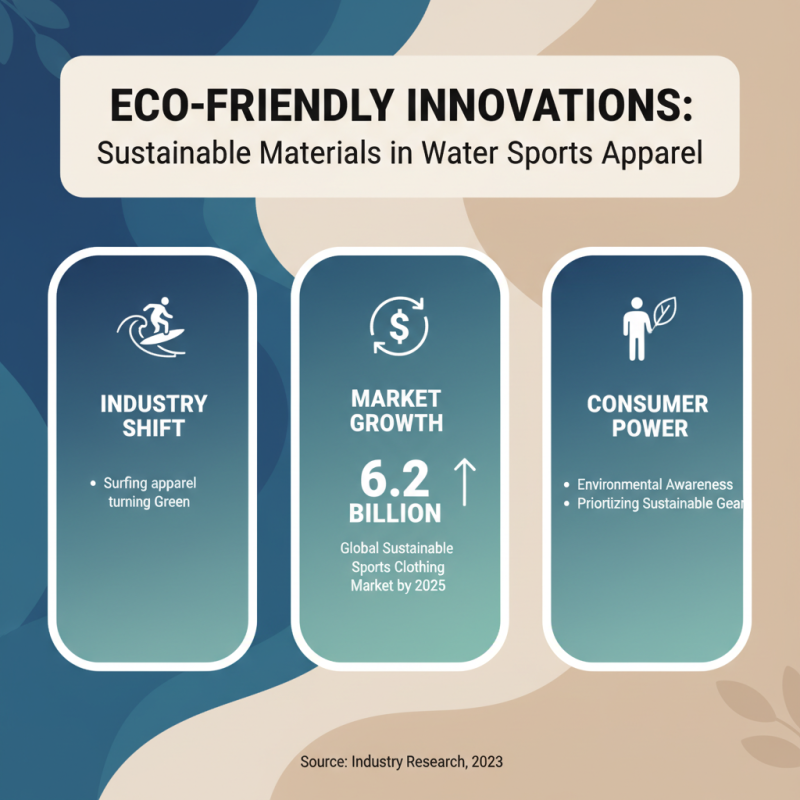
The surfing apparel industry is witnessing a significant shift toward eco-friendly materials. Research indicates that the global market for sustainable sports clothing is projected to reach $6.2 billion by 2025. This surge is driven by a growing awareness of environmental impact among consumers. Many water sports enthusiasts now prioritize sustainability when choosing their gear, pushing brands to adapt.
Innovative materials such as recycled polyester and organic cotton are becoming more prevalent. These fabrics not only reduce waste but also maintain high-performance standards. For example, recycled polyester significantly lowers carbon emissions compared to virgin polyester. Reports show that about 70% of consumers are more likely to buy products made from recycled materials. However, sourcing sustainable fabrics can be a challenge. The availability of these materials can vary, leading to inconsistencies in product quality.
Transparency in the supply chain is another crucial aspect. Consumers are increasingly concerned about where and how their apparel is produced. Many brands strive to provide detailed information but often fall short. This gap highlights a need for improved accountability within the industry. While the move toward sustainable practices is commendable, there is still much work to be done. The journey to fully eco-friendly surf apparel is ongoing but essential for the future of water sports.