Choosing a reliable Neoprene Waist Belt manufacturer requires more than comparing prices or catalog photographs. Material quality, production experience, sizing accuracy, and quality control can strongly affect performance. This guide introduces leading manufacturers worldwide and examines how they serve different markets.
A dependable manufacturer should understand neoprene thickness, fabric lamination, edge finishing, hook-and-loop strength, and skin comfort. These details become visible during real use. A belt that feels supportive in a showroom may roll, stretch, or trap heat after several hours. Practical testing matters. So does clear communication.
Look closely at factory capabilities, sample development, production capacity, packaging standards, and response times. Ask for product specifications, inspection procedures, and evidence of consistent manufacturing. Responsible suppliers should explain their materials honestly and avoid exaggerated claims. Certifications may help, but they should be checked against the actual product and facility.
No ranking is permanently perfect. Market conditions change. A manufacturer with excellent export experience may still need stronger design support. Another supplier may offer attractive customization but lack dependable delivery records. That tension deserves attention. This overview focuses on manufacturers that appear capable, transparent, and relevant to international buyers, while recognizing that independent verification remains necessary.
The right partner should match the product’s intended use, target customers, budget, and quality expectations. A carefully selected supplier can support stable production and fewer unpleasant surprises. Small details matter most.
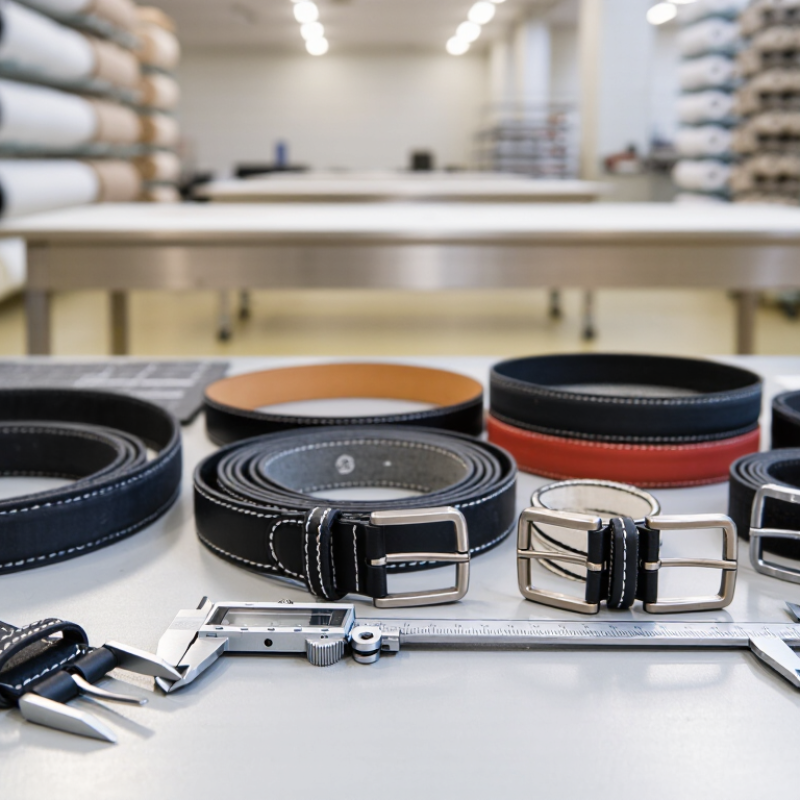
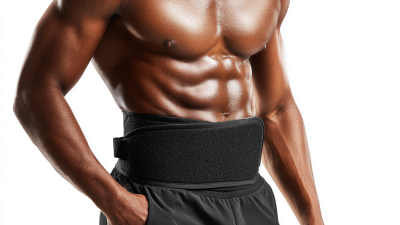
Neoprene waist belts are designed to provide gentle compression, warmth, and adjustable support around the lower back and abdomen. Their closed-cell rubber structure resists water and retains heat during movement. Many designs use a wide core, hook-and-loop closure, and flexible panels for a closer fit. The purpose is practical, not magical. A belt may improve body awareness during lifting, training, or rehabilitation, but it cannot replace strength work or clinical care.
Common applications include gym training, recreational sports, postural reminders, and short-term lower-back comfort. Some users prefer neoprene because it feels soft against clothing and remains flexible when seated. According to Fortune Business Insights, the global neoprene market was valued at about USD 2.1 billion in 2023, with continued growth expected through 2032. This wider demand supports more material choices, but market growth does not prove every waist belt performs equally. Stitching, foam density, edge binding, and closure durability still require careful inspection. Sizing is often imperfect.
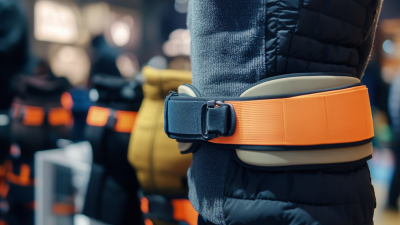
Choosing neoprene waist belt manufacturers requires more than comparing prices or glossy product photos. Material performance matters. Grand View Research projects the global neoprene market to grow at about 4.7% annually through 2030. This growth increases supplier choice, but it also makes quality screening harder.
Ask for neoprene composition, thickness, density, and recovery data. A reliable manufacturer should provide batch records and test results. Check tensile strength, tear resistance, odor, color stability, and seam durability. Test samples after repeated stretching, washing, and daily bending. Small details matter. A loose hook-and-loop closure can ruin user experience.
Production evidence is equally important. Review inspection procedures, defect rates, traceability, and corrective-action records. ISO 9001 certification can support process reliability, but it does not guarantee a comfortable belt. Request recent audit documentation and confirm whether testing occurs in-house or through independent laboratories. The Sustainable Apparel Coalition’s Higg Facility Environmental Module also shows why energy, water, and waste practices deserve attention.
Factory visits reveal practical weaknesses. Look at cutting tables, stitching tension, storage conditions, and worker handling. Ask about minimum order quantities and realistic lead times. A supplier promising everything may understand little. My own evaluation would include a small pilot order before committing. Even then, uncertainty remains. Neoprene performance can vary between batches, so long-term monitoring is necessary.
| Evaluation Dimension | Practical Industry Benchmark | Evidence to Request | Suggested Weight | Scoring Guide |
|---|---|---|---|---|
| Neoprene Material Grade | Commercial waist belts commonly use chloroprene rubber foam in approximately 2–5 mm thickness, depending on support, warmth, and flexibility requirements. | Material specification sheet, thickness report, density data, composition declaration, and production samples. | 15% | 1–5 points |
| Dimensional Consistency | A qualified manufacturer should control belt length, width, thickness, hook-and-loop position, and stitching within approved production tolerances. | Approved technical drawing, inspection standard, first-article inspection report, and batch measurement records. | 12% | 1–5 points |
| Compression and Recovery | The foam should provide stable compression and recover its shape after repeated use without permanent deformation that affects fit. | Compression-set test results, recovery testing, repeated fastening trials, and samples after simulated use. | 12% | 1–5 points |
| Seam and Edge Quality | Edges should be smooth, seams should be secure, and stitching should not create sharp points, loose threads, or skin-irritating pressure areas. | Pre-shipment inspection checklist, seam-strength results, close-up photos, and random finished-product inspection. | 10% | 1–5 points |
| Fastener Durability | Hook-and-loop fasteners should maintain reliable engagement after repeated opening and closing cycles and should remain securely attached to the belt. | Cycle-test procedure, attachment-strength test, fastener supplier specification, and production-lot records. | 10% | 1–5 points |
| Chemical and Product Compliance | For international sales, materials should be screened against applicable chemical restrictions, including REACH requirements in the European Union and relevant consumer-product rules in the destination market. | Recent third-party test reports, restricted-substance declaration, safety data, and traceable material records. | 15% | 1–5 points |
| Quality Management System | ISO 9001 certification is a useful indicator of documented quality processes, although certification alone does not guarantee product performance. | Valid certificate, certification scope, issuing body, audit status, corrective-action records, and internal inspection procedures. | 10% | 1–5 points |
| Customization Capability | Strong suppliers should support changes to dimensions, fabric covering, labels, packaging, colors, fastening systems, and private-label documentation. | Customization portfolio, sample-development workflow, tooling ownership terms, artwork approval process, and prototype lead time. | 8% | 1–5 points |
| Production Capacity and Lead Time | The supplier should demonstrate stable capacity for sampling, pilot production, and repeat orders, with lead times confirmed in writing for each stage. | Monthly capacity statement, production schedule, order history with confidential details removed, and on-time delivery records. | 5% | 1–5 points |
| Traceability and After-Sales Support | Reliable manufacturers should identify raw-material lots, production batches, inspection results, and corrective actions for quality complaints. | Batch-coding example, complaint-handling procedure, replacement policy, corrective-action report, and communication response targets. | 3% | 1–5 points |
| Total Evaluation Weight | 100% | Maximum: 5.0 | ||
Leading neoprene waist belt manufacturers differ sharply by region. East Asia remains a major production center, supported by mature rubber processing, textile factories, and dense export networks. Grand View Research valued the global neoprene market at approximately US$2.1 billion in 2023. Its forecast indicates steady growth through 2030, encouraging manufacturers to expand specialized consumer products.
China and Southeast Asia often provide high-volume production and flexible customization. Factories commonly offer laminated neoprene, adjustable hook-and-loop closures, reinforced stitching, and private-label packaging. In Japan and South Korea, manufacturers usually focus more on material consistency, ergonomic shaping, and inspection records.
Small details matter. A belt that curls after repeated washing quickly loses practical value.
European manufacturers emphasize testing, traceability, and lower-impact production methods. Germany, Italy, and Poland have strong capabilities in technical textiles and molded components. North American producers often compete through shorter lead times, contract manufacturing, and product development support.
The 2024 Fortune Business Insights report on sports protective equipment projects continued market expansion, with demand linked to fitness participation and injury-prevention awareness. However, market reports rarely isolate neoprene waist belts. That limitation matters. Regional comparisons can become too broad when they combine medical supports, sports gear, and fashion accessories. Buyers should verify compression levels, dimensional stability, seam strength, and chemical compliance through independent documentation, not supplier claims alone.
Top Neoprene Waist Belt Manufacturers Worldwide
Product Standards, Customization, and Manufacturing Capabilities
Reliable neoprene waist belt manufacturers begin with consistent material control. They check thickness, density, elasticity, odor, and surface finish before production. A practical belt should maintain support without creating sharp pressure points. Stitching must remain secure after repeated stretching and washing. Manufacturers should also provide test reports for tensile strength, color fastness, chemical safety, and labeling requirements. Standards vary by market, so buyers need clear documentation and traceable inspection records.
Customization goes beyond adding a logo. Buyers can request different neoprene thicknesses, panel shapes, closure systems, edge bindings, and inner fabrics. Some projects require breathable mesh, rigid support strips, or warmer lining. Capable factories can manage pattern development, sample revisions, lamination, die-cutting, sewing, printing, and final packing. In practice, sample approval often reveals problems. A belt may look excellent but feel too stiff during movement. That detail deserves another fitting session.
Tips: Ask for material samples, measurement charts, inspection photos, and wash-test results. Confirm acceptable size tolerances before mass production. Review the factory’s quality process, not only its catalog. Small details matter. One weakness is easy to miss: inconsistent hook-and-loop placement can reduce comfort and product life. Independent testing may cost more, but it can expose defects before shipment.
Product Standards, Customization, and Manufacturing Capabilities
The chart presents representative specification ranges commonly found in global neoprene waist-belt production rather than data from individual companies. Manufacturers typically customize neoprene thickness, belt width, size grading, and hook-and-loop closure configuration. Material performance may be evaluated using applicable methods such as ASTM D412 or ISO 37 for tensile properties and ASTM D624 or ISO 34-1 for tear resistance; the exact standard depends on the material, test method, and buyer specification.
A reliable supplier should show more than attractive product photos. Request factory-audit records, production capacity, and recent quality-control data. Grand View Research valued the global sports apparel market at approximately USD 248 billion in 2023. This growth increases supplier competition, but not necessarily manufacturing quality.
Ask for neoprene composition, thickness, density, and tensile-strength results. ASTM D412 testing can help verify stretch and recovery performance. Check whether the supplier tests seam strength, odor, color transfer, and repeated washing. A practical sample review should include ten or more units from different production batches. One perfect sample proves very little.
Traceability matters when materials come from multiple sources. Textile Exchange’s 2024 Materials Market Report reported that polyester represented about 59% of global fiber production in 2023. This highlights the importance of material documentation, even when the product uses synthetic rubber. Request batch numbers, restricted-substance declarations, and supplier change notifications. ISO 9001 certification is useful, but it does not replace product testing.
Evaluate communication during development. Can the supplier explain mold tolerances, size grading, packaging compression, and delivery risks? Vague answers deserve caution. I would not choose the lowest quotation automatically. Hidden costs often appear through inconsistent sizing, rework, or delayed inspections. Still, certifications can be outdated, and buyers should verify them independently. Small details expose weak systems.