Top Neoprene Sports Supporter for Global Buyers?
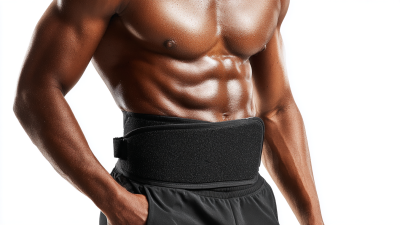
In today's competitive sports landscape, athletes globally seek optimal performance and support. The Neoprene Sports Supporter emerges as a go-to solution. This innovative product offers stability and comfort, appealing to both casual and professional users. Crafted from flexible neoprene, these supporters reduce the risk of injury while enhancing overall performance.
Many athletes rely on the Neoprene Sports Supporter for its unique properties. The material provides thermal insulation, promoting muscle blood flow during intense workouts. This added warmth can prevent strains, making it an essential accessory for many athletes. However, not all products are created equal. Some users report discomfort, highlighting the need for careful selection.
Understanding the market is crucial for buyers. Various designs and sizes cater to different body types and sports activities. However, poor fit can lead to frustration. Buyers must consider their needs and test products when possible. Quality varies significantly, so research and reviews are vital. Investing time in finding the right Neoprene Sports Supporter can lead to improved performance and a safer sports experience.
Top Factors to Consider When Choosing Neoprene Sports Supporters
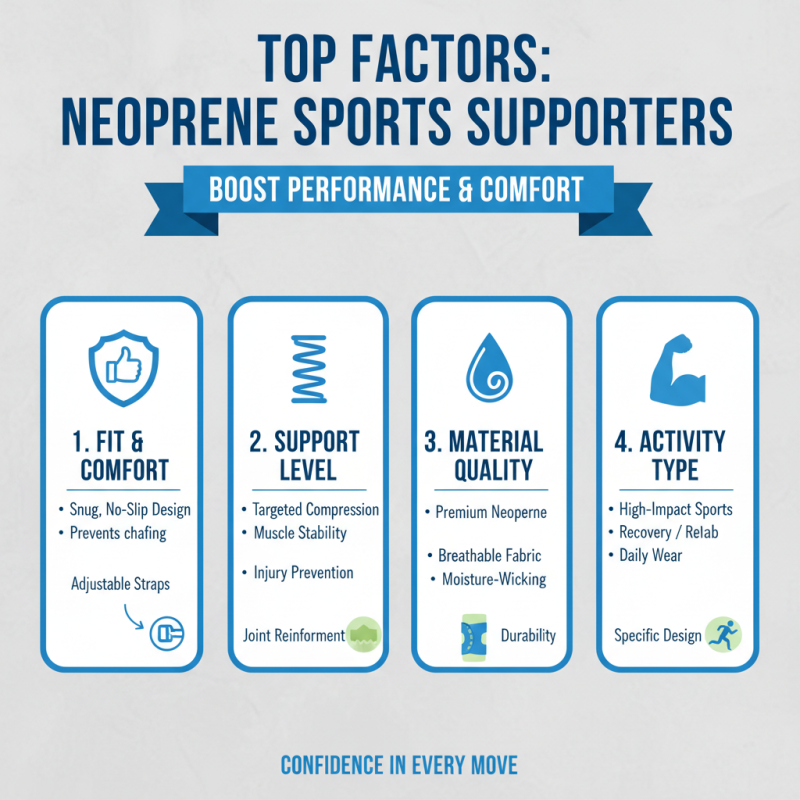
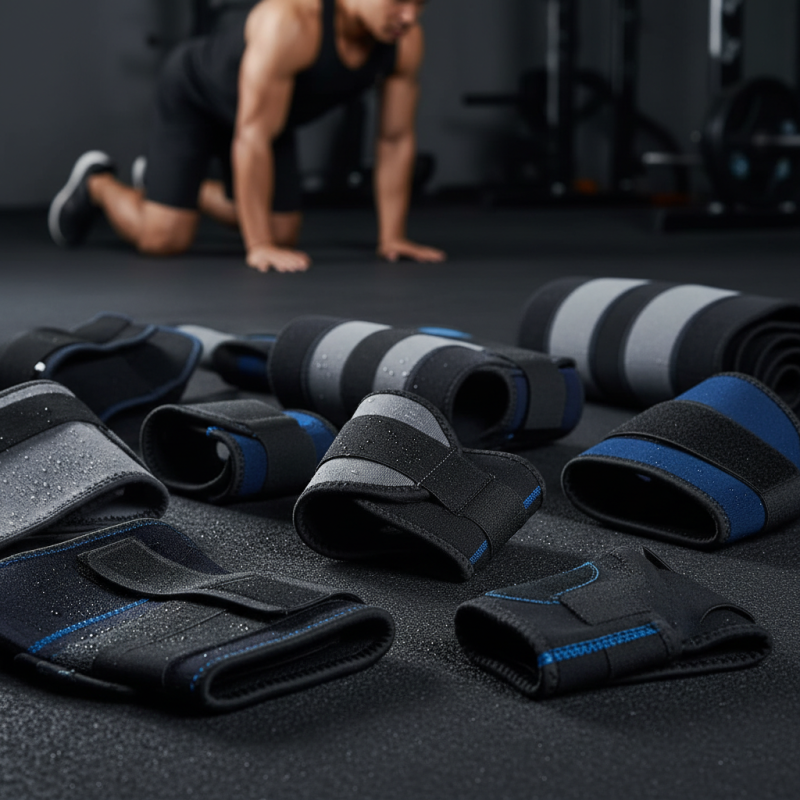
Choosing the right neoprene sports supporter can significantly impact your performance and comfort. It's crucial to consider several factors, especially fit and support level. A snug yet comfortable fit helps prevent slippage during activities. Look for adjustable straps or elastic materials for customizable support. The right fit not only adds comfort but also boosts confidence during workouts.
Material quality holds great importance as well. Neoprene is known for its durability and flexibility. It provides essential compression to the muscles, aiding in recovery. However, not all neoprene is created equal. Some may cause irritation, especially with prolonged wear. Ensure that the inner lining is soft and breathable to avoid discomfort.
Lastly, consider the design and functionality. Some supporters feature additional padding or specific designs for targeted support. This can enhance your performance based on your sport. While more features might seem appealing, they can also complicate choices. Reflect on your specific needs and activities to make an informed decision. Look for user reviews and experiences to understand how different products perform in real situations.
Analysis of Neoprene Materials and Their Impact on Sports Performance
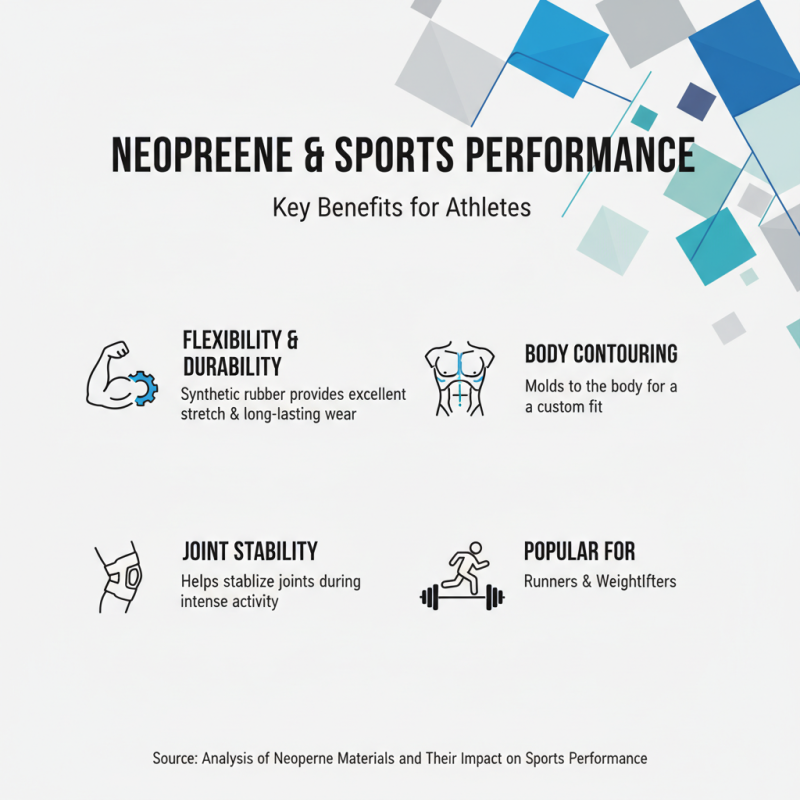
Neoprene materials are widely used in sports supporters due to their unique properties. This synthetic rubber provides excellent flexibility and durability. Athletes appreciate how neoprene contour their bodies. It helps in maintaining joint stability during intense activities. As a result, neoprene supports are popular among runners and weightlifters alike.
Heat insulation is another crucial feature of neoprene. It keeps muscles warm, reducing the risk of strain. An increase in blood flow aids in performance and recovery. However, this material can trap moisture. If not designed properly, it may lead to discomfort.
Some users report issues like chafing or skin irritation. It's essential to consider fit and ventilation in neoprene gear. The balance between support and comfort is vital. Understanding the interplay of these materials can enhance sports performance, but personal experiences vary widely. Each athlete must find what works best for their body.
Market Trends: The Growth of Neoprene Sports Supporters Globally
The global demand for neoprene sports supporters has surged in recent years. Athletes and fitness enthusiasts seek reliable equipment for better performance. Neoprene is valued for its flexibility and support, making it a popular choice. These supporters cater to various activities, from running to weightlifting.
Consumers appreciate comfort and durability in their sports gear. Neoprene material provides warmth and compression, which can enhance recovery. Many users report fewer injuries when using these supports. However, some may find them too warm for extended wear. The need for proper ventilation remains a concern in hot climates.
As more people prioritize health and fitness, the market for neoprene sports supporters will evolve. manufacturers must address comfort without compromising support. Finding the right balance can be challenging. Market trends continue to show a growing interest in various styles and sizes, catering to diverse needs. The journey ahead includes addressing these imperfections while fostering innovation.
Top Neoprene Sports Supporter for Global Buyers? - Market Trends: The Growth of Neoprene Sports Supporters Globally
| Region |
Market Size (in Billion USD) |
Growth Rate (%) |
Key Applications |
| North America |
1.5 |
8.5 |
Fitness, Rehabilitation |
| Europe |
1.2 |
7.0 |
Sports, Pain Relief |
| Asia-Pacific |
0.9 |
10.0 |
Recreational Activities, Sports |
| Latin America |
0.4 |
6.5 |
Fitness, Injury Prevention |
| Middle East & Africa |
0.3 |
5.0 |
Rehabilitation, Sports |
Comparative Review of Leading Neoprene Sports Supporter Brands
When looking for a neoprene sports supporter, understanding the various options available is crucial. Different brands offer unique designs, each with varying degrees of support and comfort. Some focus on breathability, ensuring sweat does not accumulate during intense workouts. Others emphasize compression, enhancing blood flow and recovery after physical activity.
It's essential to identify what support you need—knee, back, or joint support. Different activities may require specific features. For instance, runners generally prefer lighter models that don’t restrict movement. Conversely, weightlifters might need stronger, more rigid support to prevent injuries. Material quality can vary drastically, so checking for durability and elasticity is vital.
Not all neoprene supporters are created equal. Some may wear out quickly after frequent use. It’s worth researching user reviews for real-life experiences. Look for feedback on comfort during extended wear and effectiveness during high-impact sports. Asking for advice from fitness experts can also provide insights. Remember, finding the best option can take time and experimentation to ensure a perfect fit for your athletic needs.
Comparison of Neoprene Sports Supporter Ratings
This bar chart represents the average ratings of various attributes of neoprene sports supporters. The attributes assessed include support level, comfort, durability, breathability, and flexibility, all rated on a scale from 1 to 10.
Consumer Feedback: Effectiveness and Comfort of Neoprene Supporters
Neoprene sports supporters have gained popularity among athletes and fitness enthusiasts. Many users praise their ability to provide stability during workouts. The material is stretchy yet firm, allowing it to fit snugly without restricting movement. Many users report an increase in confidence while using these supports, particularly during high-impact activities.
However, comfort is subjective. Some individuals find neoprene too warm for extended use. Sweat can build up, leading to discomfort. Feedback indicates that while some find the temperature tolerable, others wish for improved breathability. Adjusting the fit is crucial. A tight supporter may lead to constriction and irritation. Users often recommend careful sizing to enhance the overall experience.
Effectiveness varies with each user’s needs. Many appreciate the boost in performance, especially during recovery. Yet, not everyone feels the same level of support. It’s essential to consider personal preferences and physical conditions. Some users express skepticism about the long-term benefits. A holistic approach to injury prevention combines these supports with proper training and recovery methods. Individual experiences shape the narrative surrounding neoprene supports.