Top 10 Tips for Choosing Neoprene Bags for Your Business Needs?
In today's competitive market, choosing the right Neoprene Bags for your business needs is crucial. The global bag market is projected to reach $600 billion by 2025, with an increasing demand for durable and versatile materials. Neoprene, known for its flexibility and water resistance, has become a popular choice among businesses. However, selecting the right bag can be challenging.
Studies indicate that 72% of consumers prefer brands that offer eco-friendly products. Neoprene Bags not only provide practicality but also allow businesses to align with sustainability goals. It’s essential to consider factors like insulation properties, thickness, and the intended use of the bags. A poorly chosen Neoprene Bag can affect customer satisfaction and brand perception.
Experiencing issues with durability or design defects may lead to unnecessary returns. Investing time in understanding your specific needs can significantly enhance your brand's image. Careful consideration of these elements can set your business apart, creating a lasting impact in a crowded marketplace.
Understanding the Benefits of Neoprene Bags for Business Applications
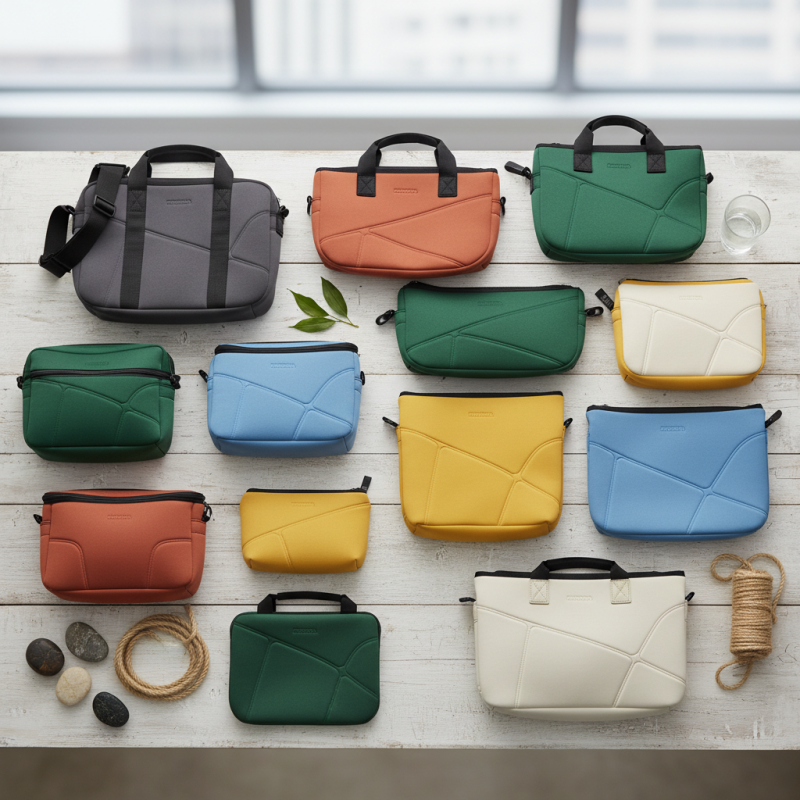
Neoprene bags have become popular in various business applications. Their versatility offers unique benefits that can enhance your brand presence. They are lightweight yet durable, suitable for carrying both light and heavy items. According to industry research, the global demand for neoprene products is projected to grow by 4.5% annually, reflecting their increased usage across sectors.
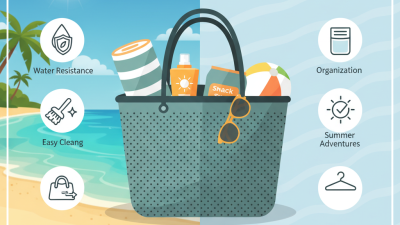
One notable advantage of neoprene bags is their water-resistant property. This feature protects your items from rain or spills, making them ideal for outdoor events. A study found that businesses using waterproof bags noted a 30% decrease in damaged goods during transportation. Companies also appreciate their insulation capabilities, maintaining temperatures for food and beverages. This dual function not only boosts customer satisfaction but also encourages repeat business.
Despite their advantages, not all neoprene bags are created equal. Some may lack adequate stitching or have poor zippers, resulting in reduced quality. It’s essential to inspect the craftsmanship thoroughly. Additionally, keep in mind that over time, exposure to sunlight can degrade neoprene. Being mindful of these drawbacks can lead to more informed purchasing decisions, ensuring that your business gets the most out of its investments.
Identifying Your Specific Business Needs Before Selecting Neoprene Bags
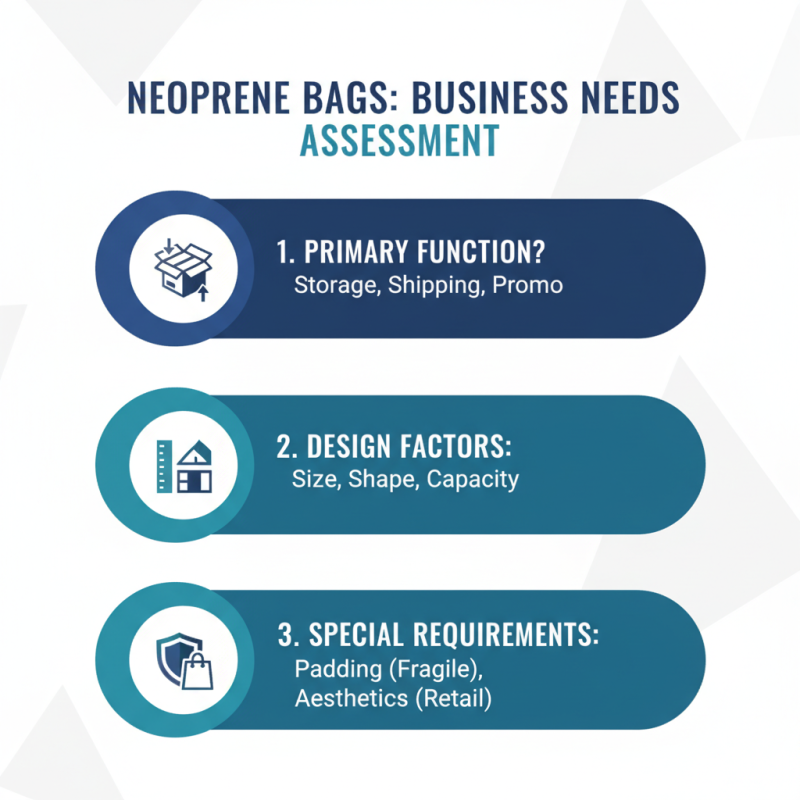
When choosing neoprene bags for your business, identifying specific needs is crucial. Consider the primary function of the bags. Are you using them for storage, shipping, or promotional items? Understanding this helps define size, shape, and capacity. For instance, a company shipping fragile items may require padded bags, while a retail brand might focus on aesthetic appeal.
Think about your target audience as well. What do they value? Durability, design, or eco-friendliness? Tailoring bags to meet their preferences can enhance your brand image. It’s worth reflecting on past feedback. Did customers find your previous bags practical? Were they satisfied? These insights can guide your selection process.
Quality versus cost is another key factor. Neoprene can vary in thickness and durability. Cheaper options might seem appealing but could lead to dissatisfaction in the long run. Evaluating what your business can afford while ensuring reliability is essential. Opting for a balance between quality and price might require deeper thinking. Consider testing samples before making a bulk order to ensure they meet your expectations.
Evaluating Quality: Key Features to Look for in Neoprene Bags
When evaluating the quality of neoprene bags for your business needs, several key features stand out. First, thickness matters. Neoprene typically comes in varying thicknesses, which directly impacts durability. Research shows that bags with at least 3mm thickness provide better insulation and protection for contents, making them ideal for transporting temperature-sensitive items.
Another critical factor is water resistance. Neoprene is known for its water-repelling properties, but the quality can vary. High-grade neoprene will ensure that your products are safeguarded against moisture and spills. A survey from the Packaging Federation indicated that businesses experienced a 25% reduction in product damage with quality neoprene bags compared to standard alternatives.
Lastly, the stitching quality should not be overlooked. Reinforced seams provide extra strength, which is especially vital for heavy cargo. Poor stitching can lead to product failures, resulting in financial losses. It's vital to inspect the edge finishes for both integrity and aesthetics. Weigh your options carefully. Investing in higher-quality neoprene bags can enhance your brand’s reputation while offering reliable performance.
Top 10 Tips for Choosing Neoprene Bags for Your Business Needs
| Feature |
Description |
Importance |
| Material Quality |
Look for high-grade neoprene that offers durability and flexibility. |
Critical |
| Zipper Quality |
Ensure zippers are sturdy and smooth to prevent breakage. |
High |
| Water Resistance |
Neoprene naturally offers moisture resistance, which is essential for various uses. |
Essential |
| Padding Thickness |
Thicker padding provides better protection for contents. |
Important |
| Size Options |
Consider various sizes to suit different business needs. |
Very Important |
| Customization |
Check if the bags can be customized with logos or designs. |
Highly Valuable |
| Ease of Cleaning |
Choose bags that can be easily wiped or machine washed. |
Important |
| Weight |
Lightweight options are more convenient for transport. |
Moderate |
| Price |
Evaluate cost vs. features; better value often implies higher quality. |
Essential |
| Warranty |
A good warranty indicates manufacturer confidence in their product. |
Significant |
Sizing Matters: How to Choose the Right Dimensions for Your Bags
Choosing the right size for neoprene bags is crucial for business needs. The dimensions of the bags can significantly influence their functionality. Small bags may be ideal for personal items or small tools. However, larger bags are necessary for carrying bulkier items like laptops or equipment. When assessing size, consider the primary purpose of the bag.
Think about what you will store. Will it be clothing, electronics, or sports gear? Each category has different spatial requirements. Carefully measure the average dimensions of the items you plan to carry. It's also wise to include some extra space. A tight fit can damage the contents. Neoprene offers flexibility, but that doesn’t mean it should be overstuffed.
Test different sizes with actual products. If possible, prototype some bags. These experiments can reveal unexpected issues. A bag that seems spacious might not be practical with certain items. Reflect on how you use these bags daily. Your experience can guide future purchases, ensuring they meet practical needs.
Top 10 Tips for Choosing Neoprene Bags: Sizing Matters
The above chart illustrates the popularity of different neoprene bag sizes based on hypothetical survey data. Understanding the demand for various sizes can help businesses make informed decisions when selecting the right dimensions for their products.
Design Customization Options for Branding Neoprene Bags Effectively
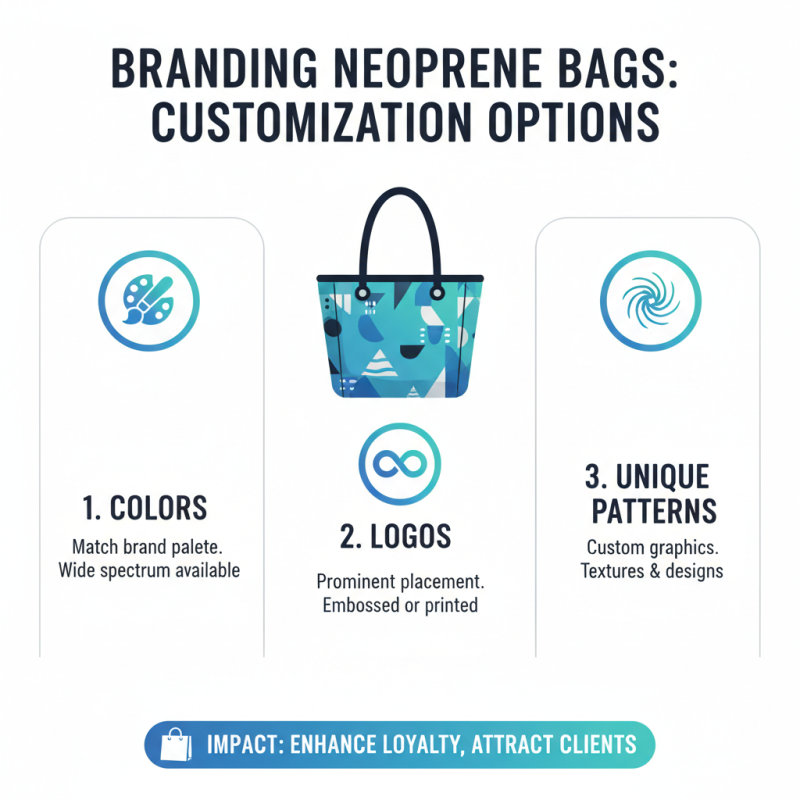
When considering neoprene bags for your business, customization plays a crucial role. Custom design options can highlight your brand identity. Colors, logos, and unique patterns can be integrated seamlessly into the neoprene material. This kind of branding can leave a lasting impression on your customers. A visually appealing bag can enhance customer loyalty and attract new clients.
Think about your target audience. Different designs speak to different demographics. Engaging a professional designer can often yield valuable insights, yet it can be daunting. Balancing creativity and brand consistency is essential. Your brand message should resonate in every design choice. Strive for clarity in your branding, even if it sometimes feels overwhelming. Remember, simplicity can often be more impactful than complex design.
Moreover, it's important to choose the right bag size and style. A bag that is too small may not meet customer needs, while a large, bulky design may feel impractical. Collect feedback on prototypes. This iterative process is vital but can induce stress. Listen to your audience’s input, even when it conflicts with your vision. By reflecting on these details, you can ensure that your neoprene bags not only represent your brand but also serve practical purposes for your customers.