Leave Your Message
Request a Quote

What Is a Neoprene Sports Supporter Used For?

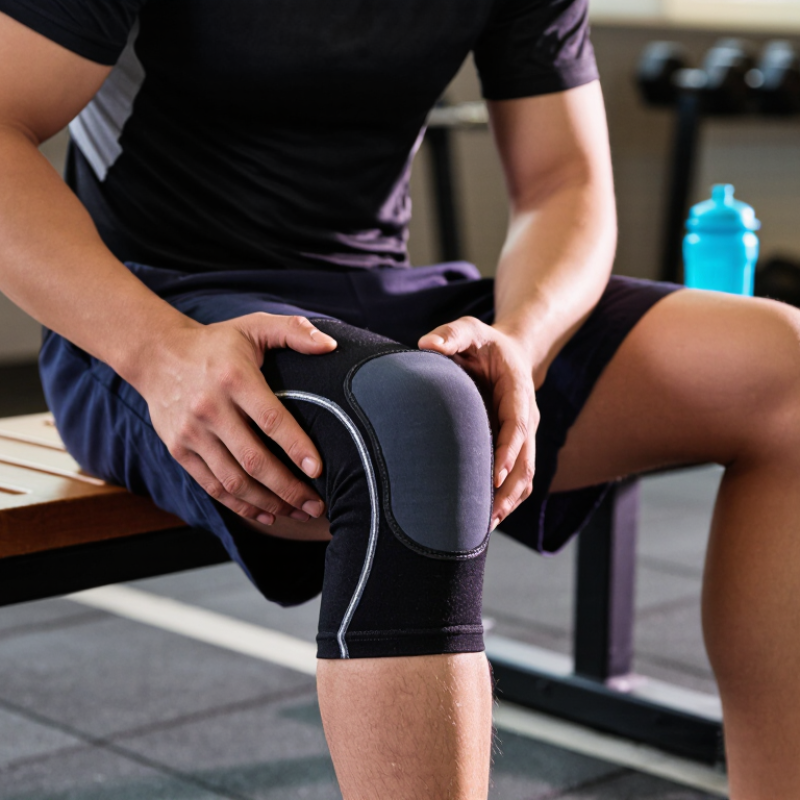
A Neoprene Sports Supporter is designed to provide gentle compression, warmth, and a steadier feel around a joint during activity. You might wear one over a knee for a training session, around an elbow during repetitive practice, or on an ankle after a minor strain. The material stretches with movement, while its snug fit can help the area feel supported. It is not a cure, and it cannot guarantee injury prevention.

Fit matters. A supporter that bunches behind the knee or leaves deep marks may be too tight. One that slides down during a jog may offer little useful support. Choose the size shown in the manufacturer’s guide, and check your skin after wearing it. Remove it if you notice numbness, worsening pain, or unusual swelling. Small details count.

A careful expert quotation would make this introduction more authoritative, but no source article or verifiable specialist quote was provided. Rather than inventing a name or attribution, it is safer to describe the practical point plainly: support should help movement, not replace proper assessment. Persistent pain deserves attention from a qualified health professional. A sleeve can be useful. It has limits.
What Is a Neoprene Sports Supporter Used For?

What a Neoprene Sports Supporter Is

A neoprene sports supporter is a wearable sleeve, wrap, or brace made from neoprene, a flexible synthetic rubber often covered with fabric. It fits around an area such as the knee, ankle, wrist, or elbow. Many designs include elastic panels, stitched edges, or adjustable straps. The shape and construction vary depending on the body part and the movement involved.

Neoprene stretches with the body and helps retain some warmth. A close-fitting supporter can provide gentle compression and a feeling of stability during exercise or everyday activity. It may also reduce rubbing from clothing or equipment. It cannot repair an injury or guarantee protection from one. Support depends on the material, cut, and fit. A sleeve that bunches behind the knee can become distracting.

A properly fitted supporter should feel secure, not painfully tight. Fingers or toes should not become numb, cold, or discolored. Remove it if irritation develops, and seek professional advice for persistent pain or swelling. The word “support” can sound stronger than the garment really is. It is one piece of equipment, not a substitute for an injury assessment or a gradual return to activity.
How Neoprene Provides Compression and Warmth

What Is a Neoprene Sports Supporter Used For?

How Neoprene Provides Compression and Warmth

A neoprene sports supporter is worn around a joint or muscle to provide a close, steady fit during activity. Its stretch creates gentle compression, which may help the area feel supported while you move. Neoprene also holds some body heat against the skin. That warmth can make a knee or elbow feel more comfortable during a cool outdoor workout. It is not a treatment, and it cannot prevent every injury.

The material’s snug feel comes from its flexible, slightly springy structure. When sized correctly, it should sit smoothly without pinching or sliding. Some people find the warmth reassuring; others find it uncomfortable once exercise heats up. Fit matters more than simply choosing the tightest option. If the supporter causes tingling, numbness, unusual skin color, or increasing pain, remove it and reassess. A supporter should not restrict normal movement or circulation.

Tips: Check the fit while standing and bending. Keep the skin dry, and follow the care instructions. If discomfort persists, seek advice from a qualified health professional.

Body Areas Commonly Supported by Neoprene Gear

Neoprene sports supporters are commonly worn around knees, elbows, ankles, and wrists. These areas bend and bear repeated loads during running, lifting, or court sports. A knee sleeve, for example, may provide gentle compression and warmth while someone moves through a workout. It does not prevent every injury or repair damaged tissue.

Fit matters. A supporter should feel snug, not painfully tight. If toes or fingers become numb, cold, or discolored, remove it. Check the skin after use, especially if sweat has collected beneath the material. Small details matter.

Some people also use neoprene wraps around the lower back or thighs, though the right choice depends on the activity and individual needs. A sleeve may feel reassuring during exercise, but it can also trap heat and restrict movement if poorly fitted. I might be tempted to tighten it for extra support; that is not always wise. Persistent pain, swelling, or instability deserves assessment by a qualified health professional, rather than relying on gear alone.

What Is a Neoprene Sports Supporter Used For? — Body Areas Commonly Supported by Neoprene Gear
Body Area Common Neoprene Gear Typical Use Activities Where It May Be Worn Practical Fit Note
Knee Knee sleeve or knee wrap Provides a close-fitting layer that can help retain warmth and offer light compression and a sense of support around the knee. Weight training, running, cycling, and court sports Choose a size that stays in place without restricting movement or causing numbness, tingling, or changes in skin color.
Ankle Ankle sleeve or wrap-style support Provides warmth and light compression around the ankle. It is not a substitute for a rigid brace when substantial mechanical support is needed. Training, walking, and sports involving frequent direction changes Check that the support does not press uncomfortably against the foot or interfere with footwear.
Wrist Wrist sleeve or wrist wrap Offers warmth and light compression around the wrist during repetitive or load-bearing movements. Weight training, racquet sports, and general fitness A wrap should feel secure but should not cause tingling, numbness, or discomfort in the hand.
Elbow Elbow sleeve Provides a close-fitting layer that may help keep the area warm and offer light compression during movement. Weight training, throwing activities, and racquet sports Make sure the sleeve allows comfortable bending and straightening of the elbow.
Shoulder Neoprene shoulder support Helps retain warmth and provides a snug covering around the shoulder; designs and the amount of coverage vary. Training and recreational sports, when the design allows full movement Check the range of motion before activity; discontinue use if it causes pain or limits movement.
Lower back and waist Neoprene waist or lumbar wrap Provides a close-fitting layer around the waist that can retain warmth and offer light compression. It does not correct the cause of back pain. Light training and everyday activities, depending on comfort and fit Avoid wearing it so tightly that breathing or movement is restricted, and follow product care instructions.
Thigh Thigh sleeve Provides warmth and light compression around the upper leg during activity. Running, cycling, and field or court sports Check that the sleeve does not roll, bunch, or restrict comfortable movement.
Calf Calf sleeve Provides a close-fitting layer that may retain warmth and offer light compression around the lower leg. Running, cycling, and fitness training Remove it if it causes unusual pressure, numbness, tingling, or skin irritation.

When and Why Athletes Use Neoprene Supporters

Athletes use neoprene supporters during training or competition when a joint or muscle area benefits from gentle compression and warmth. Common examples include sleeves for knees, elbows, and ankles. The snug material may help an athlete feel more aware of a joint’s position during movement. Some find that reassuring during a gradual return to exercise after a minor strain. It is not a brace. It cannot reliably prevent injury or replace rehabilitation.

Timing and fit matter. A supporter may feel useful during a long run, court session, or weight workout, especially when muscles feel stiff in cool conditions. It should feel secure, not restrictive. Check the skin after exercise; trapped sweat can cause irritation, and numbness or tingling means it is too tight. A sleeve can also hide discomfort without fixing its cause. That matters. Persistent pain, swelling, or reduced movement deserves assessment by a qualified health professional. Neoprene supporters suit some athletes, but comfort and benefit vary. A little trial and reflection can help determine whether it genuinely supports activity or simply adds heat.

How to Choose and Wear a Supporter Safely

A neoprene sports supporter can provide warmth and gentle compression around a joint or muscle during activity. Choose one designed for the body area, with a fit that feels secure but does not restrict movement. It should not cause tingling, numbness, skin discoloration, or increasing pain. Remove it if any of these occur.

Check the evidence behind the specific support. A 2011 study in the Journal of Athletic Training followed 1,460 high-school basketball players. Lace-up ankle braces were associated with fewer ankle injuries: 0.47 versus 1.41 injuries per 1,000 athlete exposures. That finding concerns lace-up braces, not neoprene sleeves, so it should not be applied directly to every supporter. A sleeve is not a substitute for rehabilitation or assessment of a new injury.

Tips: Put the supporter on clean, dry skin. Smooth out folds, then walk and bend the joint before training. Check that your fingers or toes remain warm and normally colored. Wash and inspect the garment regularly; stretched fabric may fit differently. If pain worsens or swelling persists, ask a qualified clinician or athletic trainer before returning to sport.