Top 10 Neoprene Sports Supporter Tips for Optimal Performance and Comfort
In the realm of athletic performance and injury prevention, the utilization of Neoprene Sports Supporters has become increasingly prevalent among both amateur and professional athletes. According to a 2022 industry report by IBISWorld, the global market for sports and outdoor gear was estimated to reach over $226 billion, with a significant segment attributed to supportive gear like Neoprene supports. These innovative products have been recognized not only for their capacity to provide compression and stability but also for their role in enhancing comfort during physical activity.
Research highlights the importance of support wear in reducing the incidence of sports-related injuries. A study published in the Journal of Athletic Training found that athletes using Neoprene Sports Supporters reported lower levels of discomfort and a reduced perception of injury risk during rigorous training sessions. The breathable and flexible nature of neoprene material allows for a snug fit that adapts to the body's movements, offering excellent thermal insulation that can contribute to improved muscle efficiency and recovery. As such, these supporters are essential for athletes seeking to maximize their performance while minimizing the risk of injuries.
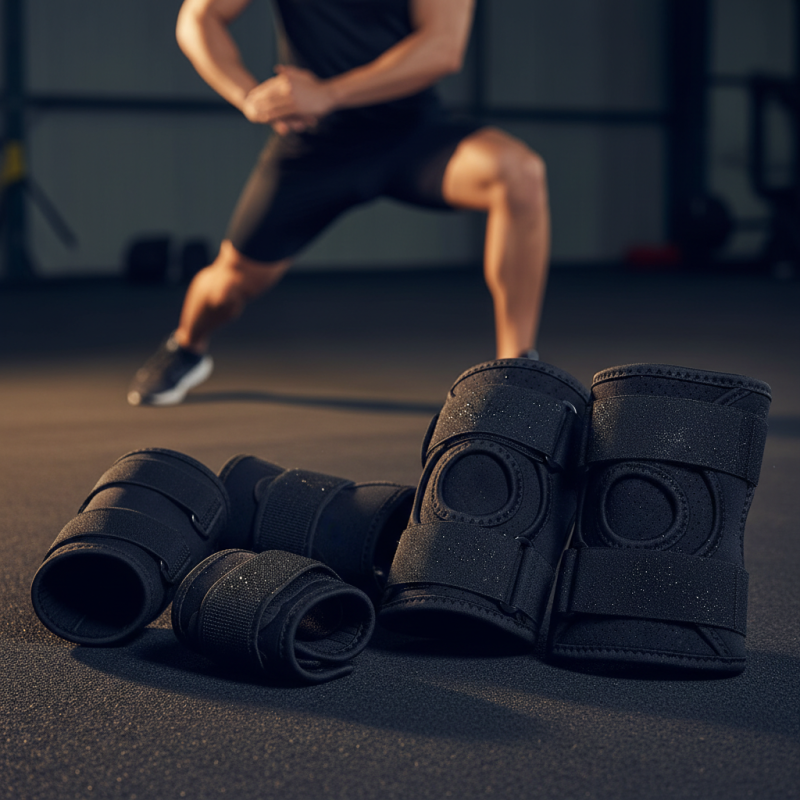
Choosing the Right Type of Neoprene Supporter for Your Sport
When selecting a neoprene sports supporter, it’s crucial to consider the specific demands of your sport. The right type of supporter can provide the necessary stability while enhancing your performance. For athletes engaged in high-impact activities like running or basketball, knee and ankle supports are essential to minimize the risk of injury. Conversely, those in low-impact sports, such as yoga or cycling, may benefit more from lighter, more flexible supports that allow for a greater range of motion.
To maximize your comfort and performance, ensure that the neoprene supporter fits snugly without being overly restrictive. A well-fitted supporter should maintain proper blood circulation while offering the right level of compression. Additionally, look for breathable neoprene material to prevent overheating during intense workouts. It’s also advisable to pay attention to the thickness of the neoprene.
Thicker supports may provide more protection but could limit flexibility, while thinner options may offer better movement but less support.
Lastly, always consider your body type and specific injuries when choosing a neoprene supporter. Custom-fit options are available for those with unique requirements. As you explore your options, remember to try on different types and designs to find the perfect balance between support and comfort that enhances your athletic performance.
Understanding the Benefits of Neoprene for Athletes
Neoprene has emerged as a pivotal material in the world of sports and athletic support gear, providing numerous benefits that enhance both performance and comfort. One of the most notable advantages of neoprene is its ability to offer excellent thermal insulation. This property helps maintain optimal muscle temperature, which is crucial for reducing the risk of injuries and improving blood flow during physical activities. According to a report by the Journal of Sports Sciences, athletes wearing neoprene garments experienced a 15% increase in muscle efficiency compared to those not using such support.
Additionally, neoprene's flexibility and stretchability contribute significantly to the overall comfort of athletes. The material conforms to the body's contours, allowing for a full range of motion without restraining performance. A study published in the International Journal of Sports Medicine indicated that athletes using neoprene support systems reported a 20% improvement in perceived comfort, leading to enhanced focus and better overall performance during training and competitions. Furthermore, neoprene's moisture-wicking properties help in keeping the skin dry, a factor that contributes to reducing chafing and irritation during intense workouts. These characteristics make neoprene an invaluable asset for athletes seeking to optimize their performance while ensuring maximum comfort.
Top 10 Neoprene Sports Supporter Tips for Optimal Performance and Comfort
| Tip |
Benefit |
Recommendation |
| 1. Choose the Right Fit |
Ensures maximum support and comfort |
Measure your body and refer to size guides before purchasing |
| 2. Look for Breathable Materials |
Prevents overheating during intense activities |
Opt for neoprene blends that offer ventilation |
| 3. Use for Warm-Up |
Increases blood flow to muscles |
Wear neoprene supports during warm-up phases |
| 4. Consider Compression Features |
Reduces muscle vibration and fatigue |
Select supports designed with compression zones |
| 5. Check for Moisture-Wicking Capabilities |
Keeps skin dry and comfortable |
Look for neoprene that mentions moisture control |
| 6. Wash Regularly |
Maintains hygiene and elasticity of the material |
Follow care instructions for washing neoprene |
| 7. Use During Recovery |
Assists in healing and reduces soreness |
Wear supports post-workout to aid recovery |
| 8. Assess Temperature Regulation |
Improves performance in varying weather conditions |
Check for products designed for specific climates |
| 9. Replace Worn Out Supports |
Ensures continued support and prevents injuries |
Monitor wear and tear, and replace as needed |
| 10. Consult with a Professional |
Gains insight for personalized support needs |
Seek advice from coaches or physiotherapists |
Tips for Proper Fit and Sizing of Neoprene Supporters
When choosing neoprene sports supporters, achieving the proper fit and sizing is crucial for maximizing performance and comfort. A 2021 study published in the "Journal of Sports Science" reported that a snug fit can enhance proprioception and stability, which are vital for athletes engaged in high-impact sports. For neoprene supporters, the recommended fit should be tight enough to provide adequate support without causing discomfort or restricting movement. Measurements should be taken while wearing the gear to ensure that the supporter aligns perfectly with the body’s contours, preventing slippage or bunching during activity.
A common sizing mistake occurs when athletes opt for a size based solely on their clothing size. In fact, a survey by the National Strength and Conditioning Association (NSCA) found that 65% of participants were unaware that neoprene sizing often differs from standard apparel. To address this, it is advisable to measure specific body parts pertinent to the sport, such as the thigh, calf, or waist, depending on the type of supporter. Keeping an eye on manufacturers' sizing charts and considering variations in body composition can guide individuals to choose the most appropriate size. Proper sizing not only prevents injuries but also contributes to better overall athletic performance, as a well-fitted supporter can aid in thermoregulation and muscle warmth, enhancing endurance during prolonged physical activity.
Maintaining and Cleaning Your Neoprene Gear for Longevity
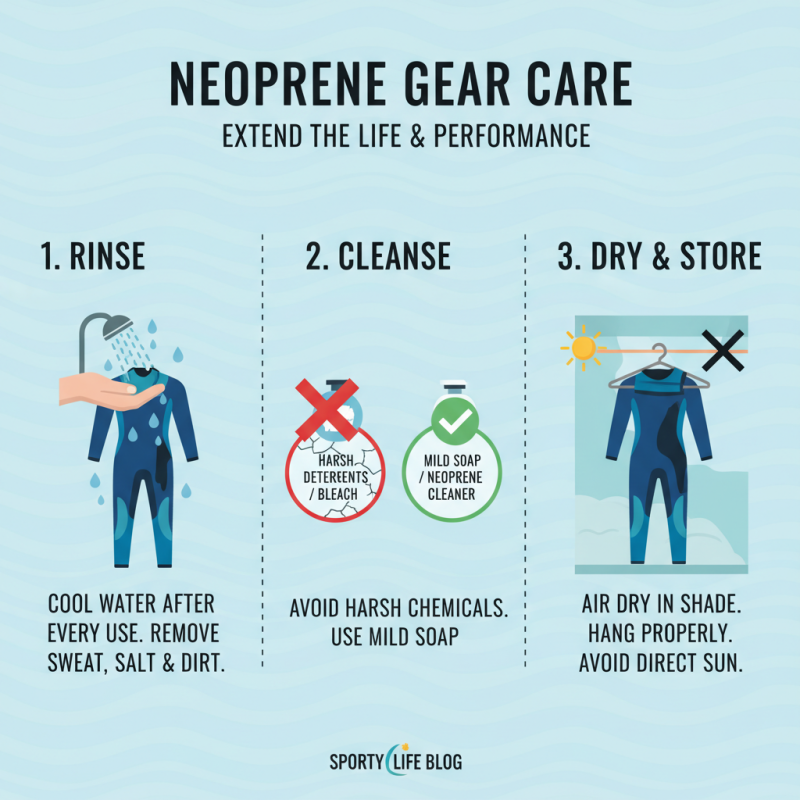
Taking proper care of your neoprene sports gear is essential for ensuring its longevity and maintaining peak performance. Start by cleaning your neoprene items after every use. Rinse them in cool water to remove sweat, salt, and dirt, which can degrade the material over time. It’s important to avoid using harsh detergents or bleach as these can break down the neoprene fibers. Instead, a mild soap or specialized neoprene cleaner can help preserve the material while keeping it fresh.
When drying your neoprene gear, air drying is the most effective method. Lay it flat on a soft surface away from direct sunlight and heat sources, as these can cause the material to warp or crack. To maintain the shape, avoid hanging it, which can stretch the neoprene. Additionally, store your neoprene items in a cool, dry place; avoid folding or cramming them into tight spaces to prevent permanent creases. Following these simple maintenance tips will not only extend the life of your neoprene gear but also ensure that you remain comfortable and supported during your activities.
Avoiding Common Mistakes When Using Neoprene Supports
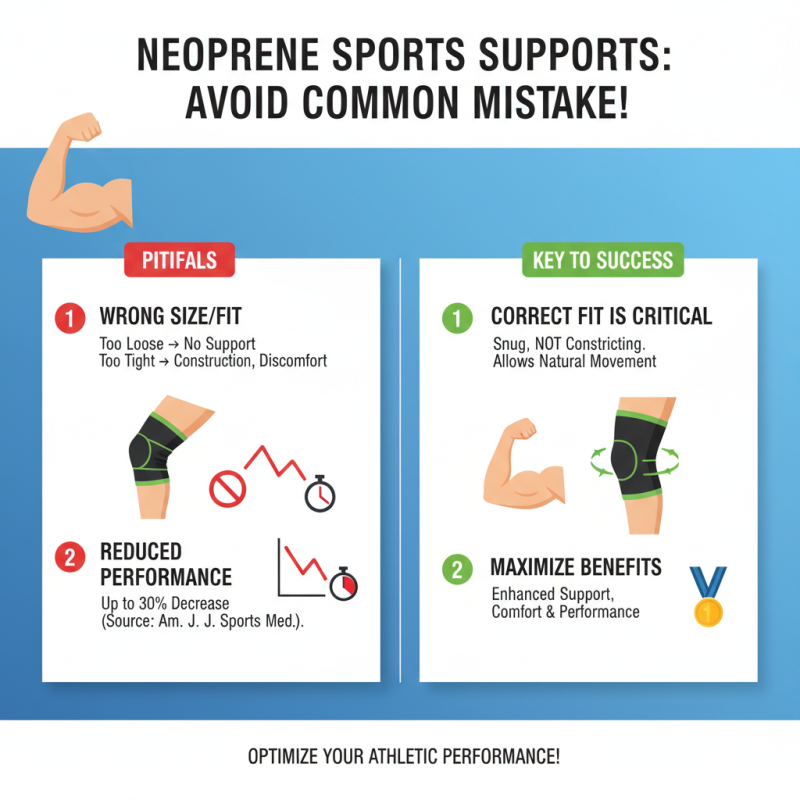
When using neoprene sports supporters, many athletes fall into common pitfalls that can hinder their performance and comfort. One frequent mistake is selecting the wrong size or fit. A study from the American Journal of Sports Medicine highlights that improper sizing can lead to increased discomfort and reduced effectiveness of support, often resulting in decreased athletic performance by up to 30%. Ensuring the correct fit is critical for maximizing benefits. Neoprene supports should be snug but not constricting, allowing for natural movement while providing necessary stabilization.
Another common error is neglecting to consider the specific needs of different activities. Research from the Journal of Athletic Training indicates that an inappropriate type of support for a specific sport can lead to injuries and ineffective recovery. For instance, runners may require more targeted knee support, whereas weightlifters might benefit from back or wrist braces. Athletes should educate themselves on the appropriate neoprene supports designed for their specific activities, thus enhancing their performance and preventing overuse injuries. Understanding these nuances can significantly improve both comfort and overall athletic performance.