Neoprene Can Cooler Tips for Keeping Your Drinks Cold?
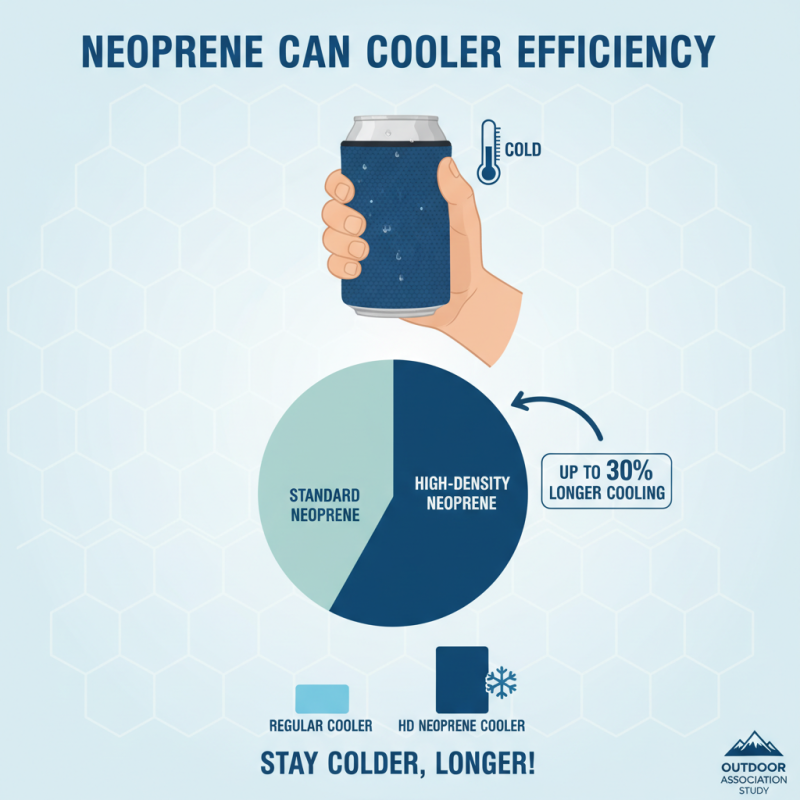
Keeping beverages cold is essential for enjoying them to the fullest. The Neoprene Can Cooler plays a vital role in this endeavor. According to industry reports, insulated products can retain temperature up to 30% longer than standard alternatives. This efficiency is crucial when you want to savor your drink without the hassle of constant refills.
Many consumers overlook the importance of material choice in can coolers. Neoprene, known for its insulation properties, excel in maintaining cold temperatures. This is not just about comfort; it's also about enhancing the drinking experience. Yet, not all Neoprene Can Coolers are created equal. Some may lack durability or insulation effectiveness, leaving users disappointed.
It's also worth noting that improper usage can diminish effectiveness. For example, direct exposure to sunlight can undermine insulation efforts. Furthermore, consumers sometimes fail to clean their coolers, leading to odor buildup and reduced performance. A small oversight can turn an enjoyable day outdoors into a frustrating experience. Understanding these nuances may greatly enhance your beverage enjoyment.
Neoprene Can Cooler Material: Benefits for Temperature Retention
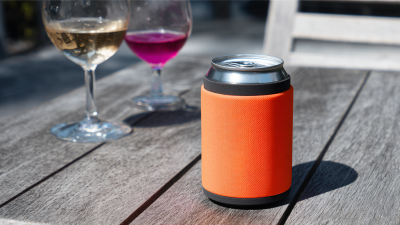
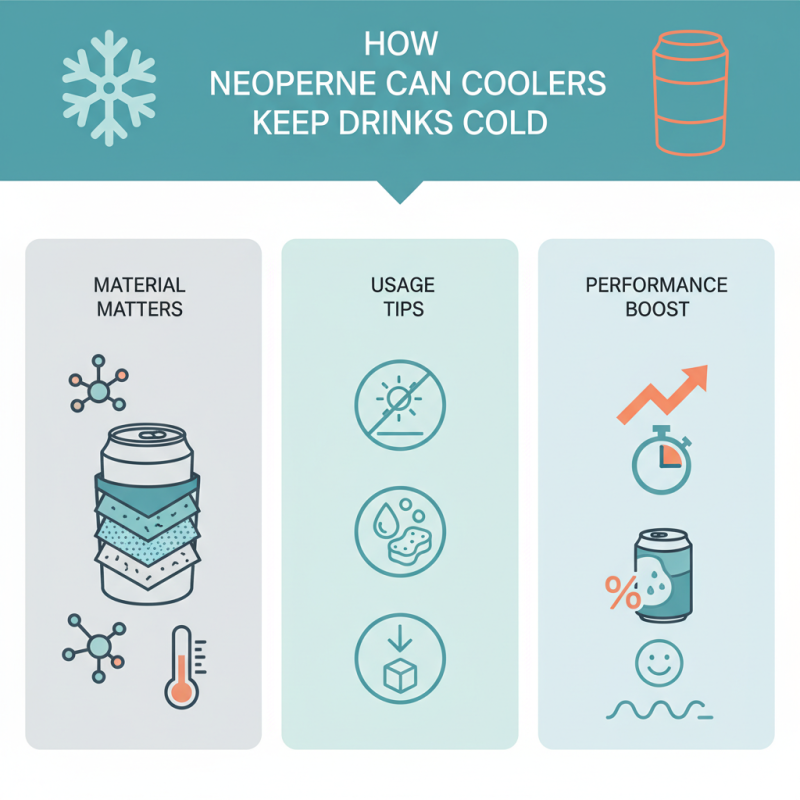
Neoprene is a popular choice for can coolers. This material excels at temperature retention. Its unique structure traps air, creating an insulating layer that slows down heat transfer. When you place a cold drink inside, the neoprene keeps the chill locked in for longer periods. Imagine sipping a refreshing beverage on a hot day. The last few sips still taste crisp and cool, thanks to the can cooler.
One issue with neoprene is its durability. Over time, it can wear down, losing its effectiveness. Sun exposure can cause fading and deterioration. If you leave a neoprene cooler in a car, it may become rigid and less effective. It’s crucial to care for your can cooler. Hand wash it gently and avoid harsh chemicals. These steps can prolong its life and maintain performance.
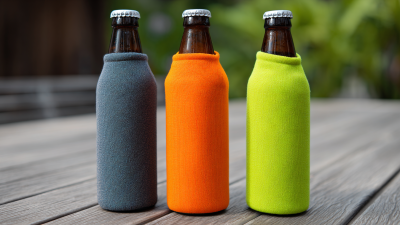
Another aspect to consider is thickness. Not all neoprene coolers are created equal. A thicker cooler can provide better insulation. However, thicker materials may feel bulkier. Balance between comfort and functionality is important. Trying different designs can help find what works best for you. It may take some time to find the ideal fit, but it’s worth the effort.
Understanding Thermal Conductivity: How Neoprene Keeps Drinks Cold
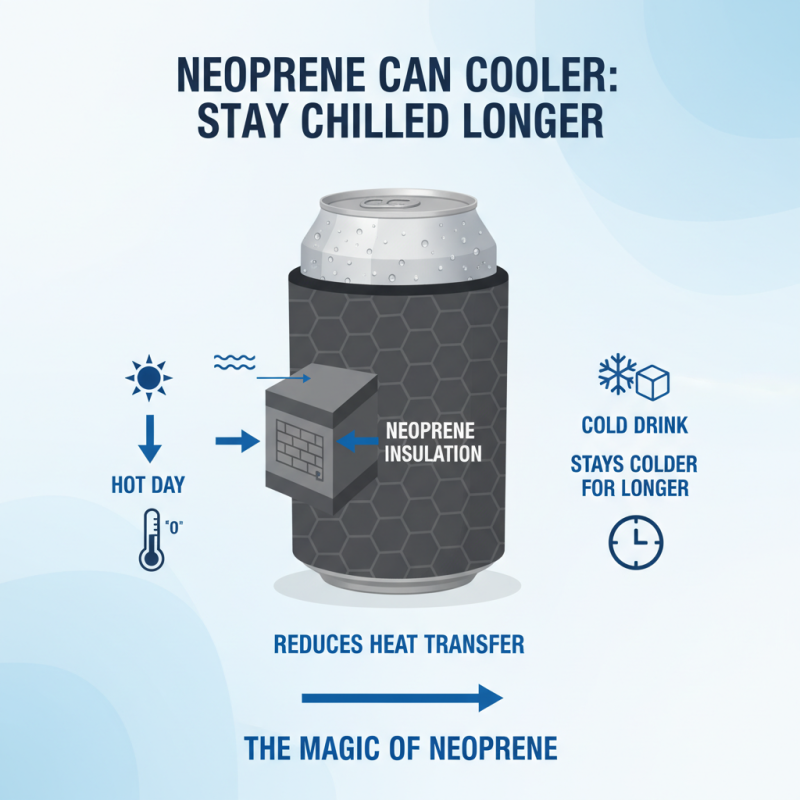
Neoprene is a popular material for can coolers. Its unique thermal conductivity properties play a crucial role in keeping drinks cold. Neoprene acts as an insulator, reducing heat transfer from the environment to your beverage. This means your drink stays chilled for longer. Imagine a hot sunny day. You take your can cooler out, and it feels cool to the touch. This is the magic of neoprene.
The thickness of the neoprene also matters. Thicker materials can offer better insulation, but are often bulkier. In contrast, slimmer designs may be more portable but could compromise thermal performance. Finding the right balance can be tricky. A cooler that fits well can enhance your experience. Yet, if it doesn’t insulate well, you'll notice the difference quickly.
While neoprene is effective, it’s not perfect. Over time, it can wear down. Sun exposure and frequent use might reduce its insulation abilities. Some users may find that dirt and spills affect the cooler's performance too. Consider cleaning it regularly to maintain its effectiveness. Even small factors can impact how long your drink stays cold, reminding us that details matter.
Industry Standards: Temperature Maintenance for Neoprene Can Coolers
Neoprene can coolers are popular for keeping beverages cold. They are designed to offer insulation, trapping a layer of air. This works well, but not all coolers are created equal in performance. It's important to choose one that fits snugly around your can. A loose fit can allow heat to seep in faster.
Industry standards suggest that a high-quality neoprene can cooler can maintain temperature for several hours. Factors like ambient temperature and exposure to sunlight play a significant role in effectiveness. For instance, a cooler left in direct sunlight will struggle to keep drinks cold. It’s also essential to monitor how long your beverage has been out. Sometimes, the cooler is not enough to counteract prolonged exposure.
Some people prefer to add ice packs inside. This can often enhance performance, but it may create some mess. Experimentation is key here, as everyone’s needs are different. You might find that your cooler fails at times, especially on hot days. Rethinking drink placement and cooler usage can lead to improved results.
Comparative Analysis: Neoprene vs. Other Materials for Insulation
Neoprene is well-known for its insulation properties. Compared to materials like foam, it offers a flexible fit. Neoprene coolers conform to the shape of your drink, ensuring minimal air gaps. This can reduce temperature transfer, keeping beverages cold longer.
Foam can coolers, while lightweight, often lack the same durability. They may break down over time, especially under sun exposure. Neoprene, on the other hand, is sturdier and resistant to wear. Some users notice that foam doesn't hold up well after multiple uses. It’s essential to evaluate what’s important to you: durability or lightness.
When considering insulation efficiency, think about the environment, too. Neoprene may not seem eco-friendly since it’s a synthetic material. Some alternatives are made from recycled products. However, how long those options last is a valid concern. It's a balancing act between sustainability and performance. Each material has strengths and weaknesses, urging us to reflect on what truly matters.
Neoprene Can Cooler Tips for Keeping Your Drinks Cold
| Material |
Insulation Effectiveness (hrs) |
Durability |
Weight (grams) |
Cost ($) |
| Neoprene |
3-5 |
High |
70 |
10-15 |
| Foam |
2-4 |
Medium |
50 |
5-10 |
| Stainless Steel |
5-7 |
Very High |
150 |
20-30 |
| Plastic |
1-3 |
Low |
60 |
3-8 |
Practical Tips for Maximizing the Efficiency of Neoprene Coolers
Neoprene can coolers are popular for their ability to keep beverages cold. However, their efficiency can vary. According to a study by the Outdoor Industry Association, coolers made from high-density neoprene can extend the cooling period by up to 30%. But simply having a cooler isn’t enough.
To maximize their performance, always pre-chill your drinks. This simple step can enhance the cooler's insulating properties. Some users report that adding ice packs along with your drinks can improve cooling efficiency by a noticeable margin. It’s also important to keep your cooler closed as much as possible. Each time you open it, cold air escapes, resulting in raised temperatures inside.
Maintenance matters too. Regularly check for leaks or wear. Old or damaged coolers lose their insulating ability. While many neoprene models offer flexibility, they may not provide the same level of insulation as stiffer materials. Experimenting with different items inside, like bottles versus cans, can lead to variable temperatures. Everyone's experience may differ, indicating that there's no one-size-fits-all solution to keeping drinks ice-cold.