2026 How to Choose the Best Neoprene Fishing Boots?
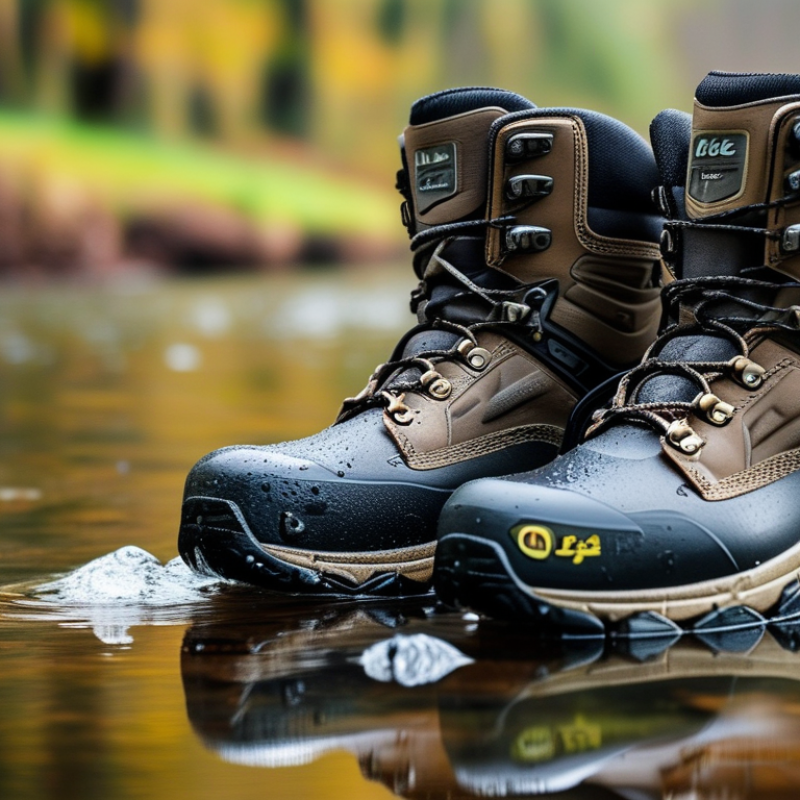
When it comes to fishing, the right gear makes all the difference. Neoprene Fishing Boots are essential for any angler. They provide both comfort and protection in various water conditions. Choosing the best pair can feel overwhelming. With many options available, how do you find the right fit?
Consider the features that matter most for your needs. Insulation is crucial for cold water fishing. A good grip on the sole prevents slips on wet surfaces. Waterproofing quality should not be compromised. Look for boots that offer durability and warmth. Think about the fit, as improper sizing can lead to discomfort.
Reflecting on personal experiences can help guide your decision. Have your previous boots held up in tough conditions? Did they keep your feet warm and dry? Use those points to evaluate your options. Neoprene Fishing Boots are an investment in comfort and safety. Make the choice that enhances your fishing experience.
Understanding Neoprene Material and Its Benefits for Fishing Boots
Neoprene is a popular material for fishing boots due to its unique properties. It is a type of synthetic rubber that offers excellent insulation. According to a recent industry report, neoprene boots can maintain warmth in water temperatures as low as 50°F (10°C). This is essential for anglers who fish in colder conditions.
Another benefit of neoprene is its waterproof nature. It prevents water from penetrating the boots, keeping your feet dry. The material's flexibility allows for ease of movement, which is crucial when navigating rocky or slippery surfaces. Fishing boots made from neoprene can often withstand rough usage and maintain their shape over time.
**Tips:** When choosing neoprene fishing boots, consider the thickness. Boots vary in thickness from 3mm to 7mm. Thicker boots offer more insulation, but they can be bulkier. Also, check for reinforced seams. They add durability and help prevent leaks. Remember that your choice should reflect your fishing habits and conditions.
Moreover, neoprene has its drawbacks. Some users find the boots can become too warm in mild temperatures. This can be uncomfortable during longer outings. Pay attention to breathability features to enhance comfort further. Fishing boots should strike a balance between warmth and ventilation.
2026 Neoprene Fishing Boots Durability Comparison
Key Features to Look for in Neoprene Fishing Boots
When choosing neoprene fishing boots, several key features can enhance your fishing experience. The material's thickness matters. Thicker neoprene offers better insulation, keeping your feet warm in cold waters. However, it may reduce flexibility. Consider your fishing climate to choose the right thickness.
Waterproofing is crucial. Look for boots with sealed seams and waterproof zippers. These features prevent water entry, keeping your feet dry. A good grip is essential too. Boots with textured soles provide traction on slippery surfaces. This helps prevent accidents while navigating rocky riverbeds or muddy shores.
Fit and comfort are often overlooked but essential. Boots that are too tight can cause blisters. Those that are too loose may lead to slips. Pay attention to sizing charts and user reviews. Lastly, reflect on your fishing habits. If you often wade into deeper waters, invest a bit more in quality. It pays off in durability and performance.
2026 How to Choose the Best Neoprene Fishing Boots? - Key Features to Look for in Neoprene Fishing Boots
| Feature |
Description |
Importance |
| Material Quality |
High-grade neoprene offers better insulation and durability. |
Essential |
| Waterproofing |
Sealed seams and impermeable materials keep feet dry. |
Critical |
| Comfort Level |
Interior padding and ergonomic design enhance comfort during long wear. |
High |
| Traction |
Slip-resistant soles designed for wet and muddy conditions. |
Very important |
| Height |
Available in various heights; higher boots offer more protection. |
Moderate |
| Weight |
Lighter boots improve mobility but may compromise insulation. |
Considerable |
| Price |
Price can reflect quality; budget options may lack features. |
Important |
Sizing and Fit: Ensuring Comfort and Mobility
When selecting neoprene fishing boots, sizing and fit are crucial for comfort and mobility. A proper fit makes a big difference during long fishing trips. Boots that are too tight can cause discomfort, leading to blisters or fatigue. On the other hand, loose boots can cause instability, making it difficult to navigate slippery rocks or wet surfaces.
Measuring your foot accurately is essential. Many people underestimate the importance of size. It’s also helpful to try on boots with the type of socks you plan to wear. This ensures a better overall fit. Remember, neoprene has some stretch, but it shouldn’t feel restrictive. Pay attention to how the boots feel around your ankles. Too much pressure can cause discomfort during long periods of use.
Many anglers overlook the importance of trying different styles. High-top boots provide more support but can feel bulkier. Ankle-height options offer more freedom of movement but less protection. It’s a personal choice based on individual needs and comfort levels. Don't forget to walk around in the boots before deciding. Move as if you're on the water to help reveal potential issues with fit and comfort.
Evaluating Traction and Durability for Various Fishing Conditions
When choosing neoprene fishing boots, evaluating traction is crucial. Different fishing conditions require different types of grip. For instance, rocky riverbeds and slippery docks demand superior traction. Boots with deep cleats are effective on wet surfaces. Additionally, a durable rubber outsole often provides the best grip. Consider the tread design too. Some patterns are better suited for mud, while others excel on asphalt. Think about the environments you’ll encounter.
Durability is equally important. Neoprene can withstand harsh conditions, but not all designs are equal. Boots with reinforced seams and reinforced toe caps can last longer. They protect against wear from sharp objects or rough terrain. Regularly inspecting your boots can help identify weaknesses early. Keeping them clean will also enhance their lifespan. When buying, look for reviews that detail long-term performance. This real-world insight can guide your choice.
Care and Maintenance Tips for Long-lasting Neoprene Fishing Boots
Proper care and maintenance of neoprene fishing boots can significantly extend their lifespan. Regularly inspect your boots for any signs of wear and tear, such as cracks or punctures. Addressing these issues early can prevent further damage. After each fishing trip, thoroughly rinse the boots with fresh water to remove salt and mud. This simple act can help preserve the integrity of the material.
Dry your boots properly to avoid mold and odors. Turn them inside out to facilitate air circulation. Place them in a cool, shaded area, away from direct sunlight. Heat can damage neoprene, leading to cracks. Remember, storing boots in a damp environment can be detrimental as well. Take the time to store them in a dry space.
Consider applying a neoprene conditioner periodically. This can help maintain the flexibility and softness of the material. Regular care is essential, yet it's easy to overlook. Reflect on your routine and make adjustments where necessary. Neglecting these small tasks can lead to bigger problems later on. Be proactive about maintenance for the best experience on the water.