How to Choose Neoprene Fishing Boots for Maximum Comfort?
When it comes to fishing, comfort is key. Neoprene Fishing Boots play a vital role in ensuring a pleasant experience. Choosing the right pair can be tricky. The market offers a wide range of options, and it’s easy to feel overwhelmed. A good pair should provide warmth, flexibility, and waterproof protection. But how do you find the perfect fit?
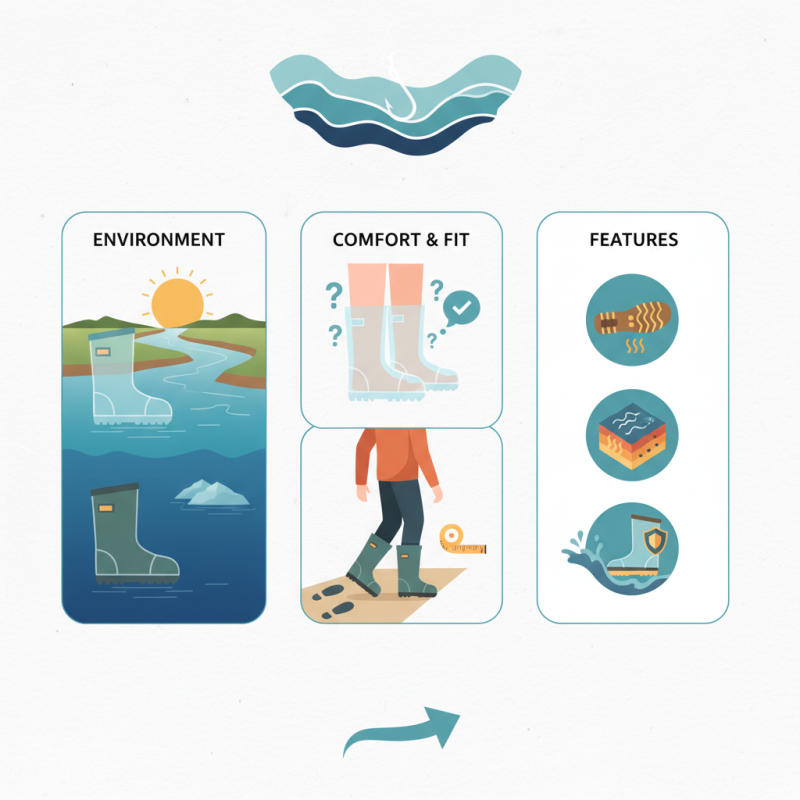
Consider your fishing environment. Different conditions demand different features. For instance, shallow waters may not require heavy-duty boots. However, deeper or colder waters necessitate more insulation and durability. Comfort varies from person to person. What feels good for one might not for another. Take the time to try them on. Walk around in them.
Pay attention to details. Look for the right sole thickness and traction. These features significantly impact your stability on slippery surfaces. Reflect on the materials used. Neoprene thickness matters, but so does breathability. You might find a pair that looks great but doesn't feel right. Don’t settle. Your Neoprene Fishing Boots should enhance your fishing journey, not hinder it.
Understand the Benefits of Neoprene for Fishing Boots Comfort
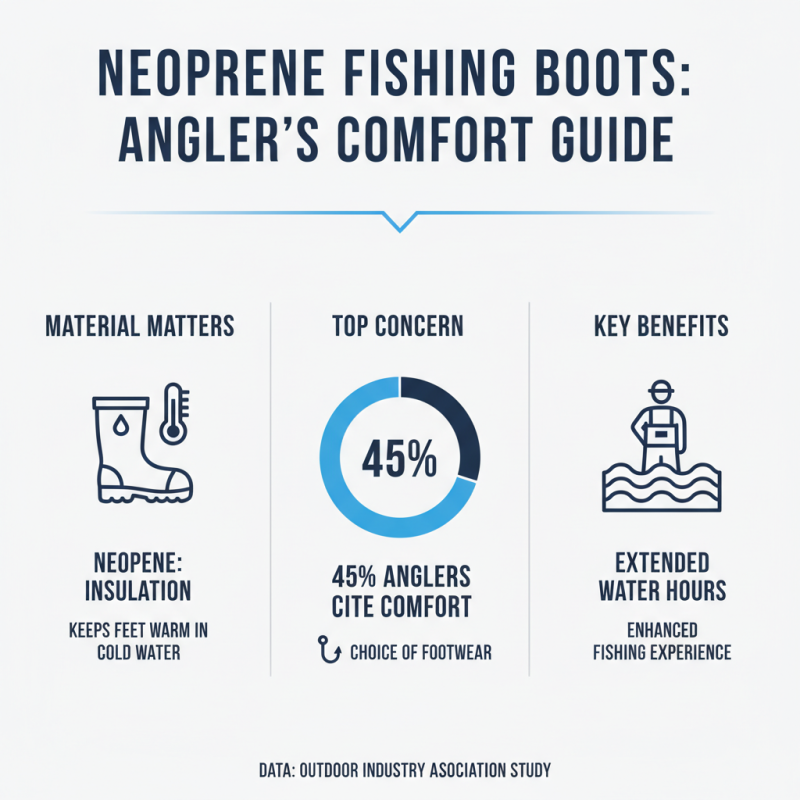
Choosing the right neoprene fishing boots can greatly enhance your comfort during long hours on the water. Neoprene material is popular because it provides excellent insulation. It keeps your feet warm in cold water, a critical aspect for all anglers. According to a study by the Outdoor Industry Association, 45% of anglers cite comfort as the top concern when selecting fishing footwear. This clearly highlights the importance of choosing the right materials.
Neoprene also has water-resistant properties. This means your feet remain dry, even in wet conditions. A report from the American Journal of Sports Medicine states that moisture control can significantly reduce foot fatigue. With proper moisture management, you can stay on your feet longer.
**Tip:** Always check the neoprene thickness. A thickness of 5mm to 7mm is ideal for cold climates.
Many people overlook the importance of fit. Tight boots can cause blisters while loose ones might let in water. Proper adjustment can prevent discomfort.
**Tip:** Look for adjustable straps for a better fit.
Meanwhile, remember that not all neoprene boots are created equal. Some may not provide adequate support. It’s worth investing time in trying different models to find the best comfort level.
Identify Key Features to Look for in Neoprene Fishing Boots
When choosing neoprene fishing boots, several key features can enhance your comfort. Neoprene thickness matters. A thicker neoprene provides warmth in cold waters, while thinner options are better for warmer conditions. Look for boots with a comfortable lining. A soft interior can make long hours more bearable. Remember, comfort is subjective. What feels right to one person, may not feel the same to another.
Fit is crucial. Ensure that the boots hug your feet but allow movement. Test them with thick socks. Consider the sole as well. Non-slip soles can aid stability on wet surfaces. Some boots come with reinforced toes. This feature protects your feet from sharp objects and provides durability. Reflect on how often you'll use them. Frequent fishing trips might justify investing in quality boots.
Water resistance is essential, too. Quality boots should keep your feet dry in various conditions. However, some models might not meet these expectations. You might find yourself with soggy socks after a long day. Pay attention and read feedback from other users. Sometimes what looks good on paper doesn't translate to real-world use.
Key Features to Look for in Neoprene Fishing Boots for Maximum Comfort
Assess the Right Fit and Sizing for Optimal Comfort
When choosing neoprene fishing boots, fit is crucial for comfort. The right size helps prevent blisters and fatigue. Neoprene is stretchy, but not all brands fit the same. Test the fit by trying the boots on with thick socks. Walk around to ensure there is no pinching or rubbing.
Consider your foot shape. Some people have wide feet while others may have narrow feet. Choosing a boot that accommodates your foot shape is vital. A snug fit in the ankle area is essential to prevent water from seeping in. If they feel too loose, think about how that could lead to discomfort on the water.
Don’t overlook the importance of height. The boots should cover your calves adequately. They need to be high enough to keep water out during fishing. Measure the distance from your foot to where you want the top of the boot to be. An improper height may lead to unexpected wetness. Always remember that testing a few styles can reveal surprising preferences. What feels right in the store may change after hours of wear, so pay attention to comfort over time.
How to Choose Neoprene Fishing Boots for Maximum Comfort? - Assess the Right Fit and Sizing for Optimal Comfort
| Size |
Foot Length (inches) |
Recommended Neoprene Thickness (mm) |
Suitable for Temperature (°F) |
Weight (lbs) |
| 5 |
9.3 |
3.5 |
60-70 |
2.5 |
| 6 |
9.6 |
3.5 |
60-70 |
2.6 |
| 7 |
9.8 |
4.0 |
55-65 |
2.7 |
| 8 |
10.1 |
4.0 |
55-65 |
2.9 |
| 9 |
10.4 |
5.0 |
50-60 |
3.0 |
| 10 |
10.7 |
5.0 |
50-60 |
3.2 |
Evaluate Insulation and Waterproofing in Neoprene Boots
When selecting neoprene fishing boots, insulation and waterproofing are crucial factors. The right insulation keeps feet warm in cold water. According to industry reports, boots with at least 5mm of neoprene provide good thermal protection. However, not all insulation materials perform equally. Some may become less effective when wet, leading to discomfort.
Waterproofing is another vital aspect. Neoprene itself is water-resistant but not entirely waterproof. Boots with sealed seams offer better protection from leaks. Studies show that moisture can lead to blisters and discomfort, which can ruin a fishing trip. Make sure to check for a waterproof rating, typically indicated by the manufacturer's guidelines.
Pay attention to fit as well. A snug fit promotes warmth and reduces water entry. However, overly tight boots can restrict circulation, leading to cold feet. It's a balance that needs careful consideration. Try different options. Ultimately, the comfort of your feet can greatly impact your fishing experience. Finding the right combination of insulation, waterproofing, and fit requires time and testing. Don't settle for the first pair you see; explore your options thoroughly.