How to Choose Neoprene Beach Shoes for Ultimate Comfort and Performance
In the world of aquatic and outdoor activities, selecting the right footwear is essential for both comfort and performance. Neoprene beach shoes have gained popularity among enthusiasts for their flexibility, lightweight design, and excellent grip on wet surfaces. According to Dr. Emily Matthews, a leading expert in outdoor footwear technology, “The right neoprene beach shoes can make all the difference in your overall experience, providing support and stability while allowing your feet to breathe.”
When considering neoprene beach shoes, it’s crucial to evaluate various factors that contribute to your comfort and efficiency on the beach. From the thickness of the neoprene material to the shoe's tread design, each element plays a pivotal role in how your feet perform in sandy and slippery conditions. A well-fitted pair can enhance your agility in water sports as well as provide adequate protection against sharp objects on the ocean floor.
Ultimately, understanding the features and benefits of neoprene beach shoes will help you make an informed decision tailored to your specific needs. Whether you’re strolling along the shore or tackling adventurous activities, the right pair can significantly elevate your beach experience while ensuring you enjoy the ultimate comfort and performance.

Choosing the Right Neoprene Material for Maximum Comfort
When selecting neoprene beach shoes, the material you choose plays a crucial role in ensuring maximum comfort. Neoprene, a synthetic rubber, comes in various thicknesses and qualities, impacting both the fit and functionality of the shoes. For optimal comfort, select shoes made from neoprene that offers a soft, flexible feel while still providing adequate support. Look for features such as reinforced seams and padded insoles that enhance the overall comfort level during extended wear.
Tips: Always check for the thickness of the neoprene, as thinner materials may not provide sufficient insulation or protection from rough surfaces. On the other hand, overly thick neoprene can be stiff and cumbersome. A balance between protection and flexibility is essential for beach activities, so aim for a medium thickness ideal for your specific needs.
In addition to thickness, consider the material's permeability. Neoprene that is designed to dry quickly can significantly improve your experience at the beach, allowing you to transition effortlessly from water to land. Make sure to inspect the shoes for ventilation options, such as mesh panels, which can enhance breathability and comfort. The right neoprene material will not only keep your feet comfortable but also support your performance on the beach.
Neoprene Beach Shoes Comfort and Performance Comparison
This chart presents a comparison of different performance metrics for neoprene beach shoes. The metrics include thickness, flexibility, breathability, durability, and water resistance, all rated on a scale of 1 to 10, providing insights into how each feature contributes to overall comfort and performance.
Understanding Fit and Sizing for Optimal Performance in Beach Shoes
When it comes to selecting neoprene beach shoes, understanding fit and sizing is crucial for achieving optimal performance. According to a report by Footwear Insight, approximately 70% of individuals experience discomfort during water activities due to improperly fitting footwear. This underlines the importance of choosing the right size and style that accommodates the unique contours of your feet. A well-fitted neoprene beach shoe should provide snugness without being overly tight, allowing for natural foot movement while offering support. Research indicates that shoes with adjustable features, such as straps or elastic bands, can further enhance fit, catering to variations in foot shape and size.
Moreover, the sizing of neoprene beach shoes often differs from standard shoe sizes, which can lead to confusion. A study published in the Journal of Sports Footwear noted that nearly 60% of consumers tend to select shoes based solely on their usual size, disregarding the manufacturer's sizing guidance. To achieve the best fit, it is advisable to measure both foot length and width and compare them against the specific brand's size chart. This approach ensures that you select a model that not only fits comfortably but also enhances overall stability and performance in wet conditions, ultimately contributing to a more enjoyable beach experience.
Evaluating Sole Types and Their Impact on Traction and Stability
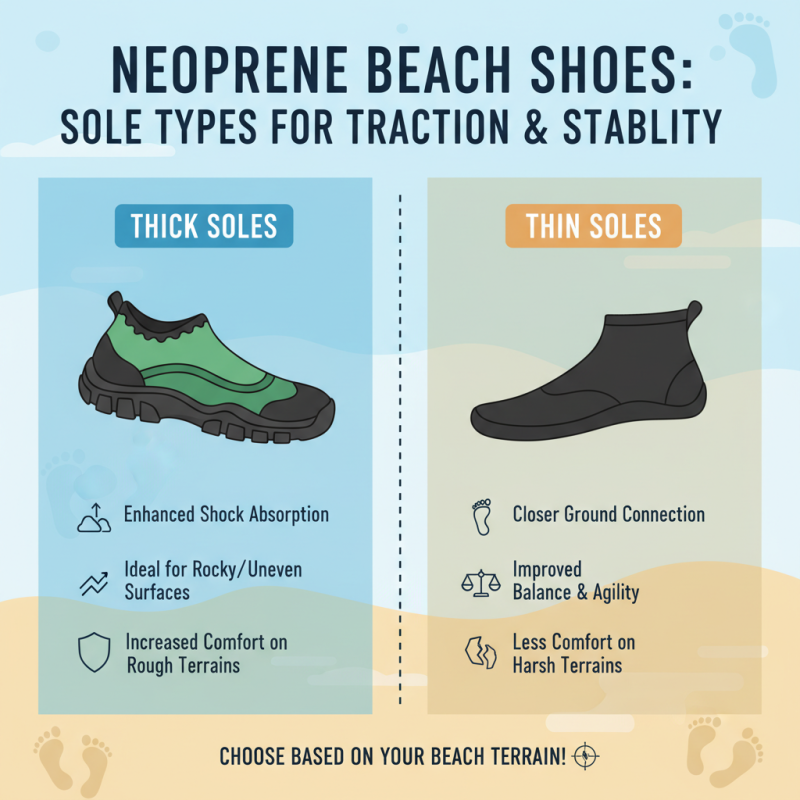
When selecting neoprene beach shoes, understanding the impact of sole types on traction and stability is crucial for a comfortable experience. Shoes with thicker soles often provide enhanced shock absorption, making them ideal for rocky or uneven surfaces. Conversely, thinner soles can offer a closer connection to the ground, improving balance but possibly sacrificing some comfort on harsher terrains. Evaluating the specific conditions where you’ll be using the shoes can help determine which sole type best meets your needs.
Tips for comfort and performance include considering a sole with a non-slip feature, which significantly enhances traction on wet surfaces. This is particularly important when walking along slippery rocks or wet sand. Additionally, opting for a sole that features grooves or treads can further improve grip and stability, reducing the risk of slipping. Make sure to test the flexibility of the sole as well; a more flexible design can offer better comfort, allowing your foot to move naturally and adapt to various surfaces.
Ultimately, selecting the right sole type plays a fundamental role in ensuring your neoprene beach shoes perform well and provide the comfort needed for extended use. Always try on different styles to find the perfect fit that combines traction, stability, and comfort.
Assessing Breathability and Water Resistance in Neoprene Shoes
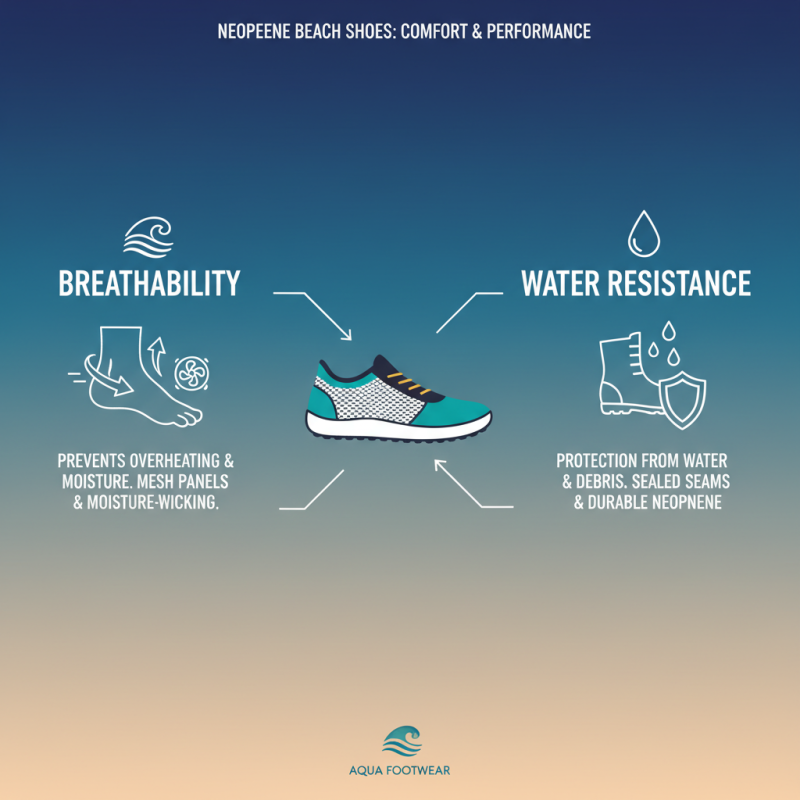
When selecting neoprene beach shoes, assessing their breathability and water resistance is essential for optimizing comfort and performance. Breathability refers to the shoe's ability to allow air circulation, which can prevent overheating and moisture buildup during active water sports or sunny beach days. Look for neoprene shoes that incorporate breathable mesh panels or lightweight materials, as these features enhance ventilation and keep your feet cool. Shoes designed with moisture-wicking properties will further help in managing sweat, keeping your feet dry and comfortable.
Water resistance is another crucial factor to consider, particularly if you plan on spending extended periods in or near water. Neoprene naturally offers a degree of water resistance, but the effectiveness can vary depending on the shoe's construction and materials. Opt for shoes that have sealed seams and a snug fit to minimize water entry, ensuring that your feet remain dry even in choppy waters or during high-tide activities. Additionally, quick-drying soles will help prevent any lingering discomfort caused by wetness, allowing for a more enjoyable experience while engaging in beach activities.
Examining Durability and Care Instructions for Long-Lasting Wear
When it comes to neoprene beach shoes, durability is a key factor for those looking to enjoy their time by the water. Neoprene is a synthetic rubber known for its resilience against wear and tear. To ensure your beach shoes last, it’s essential to choose a pair that features reinforced stitching and high-quality material. Look for shoes with additional protections such as toe caps and arch support, which can help withstand rocky surfaces and provide long-lasting comfort.
Caring for your neoprene beach shoes can significantly improve their durability. After each use, rinse them with fresh water to remove salt, sand, and chlorine that can degrade the material over time. Air dry them in a cool, shaded area to avoid the damaging effects of direct sunlight. Avoid wringing or twisting your shoes to remove excess water, as this can distort their shape.
**Tips:** Always store your neoprene shoes in a dry location, as moisture can encourage mold growth. When not in use, consider keeping them inside a breathable bag to prevent dust accumulation. Regularly inspect your shoes for any signs of damage, and repair minor issues promptly to extend their lifespan.
How to Choose Neoprene Beach Shoes for Ultimate Comfort and Performance
| Feature |
Description |
Care Instructions |
Durability Rating |
| Material Quality |
High-grade neoprene provides flexibility and water resistance. |
Rinse with fresh water after use. |
8/10 |
| Sole Design |
Non-slip rubber for excellent traction on wet surfaces. |
Avoid exposing to extreme heat. |
9/10 |
| Comfort Fit |
Ergonomic design conforms to foot shape for enhanced comfort. |
Store in a cool, dry place to maintain shape. |
9/10 |
| Breathability |
Ventilation holes to keep feet cool. |
Clean with mild soap and water. |
7/10 |
| Weight |
Lightweight design for easy movement. |
Air dry; do not machine dry. |
10/10 |