What are the Best Surfing Suits for Every Wave?
Surfing is not just a sport; it's a lifestyle. Choosing the right surfing suits can greatly influence your performance and comfort. As surf enthusiasts know, water temperature directly affects how a surfer feels while riding waves. According to recent industry reports, 70% of surfers prioritize thermal protection when selecting their suits. This statistic highlights the crucial role of insulation and flexibility in surfing suits.
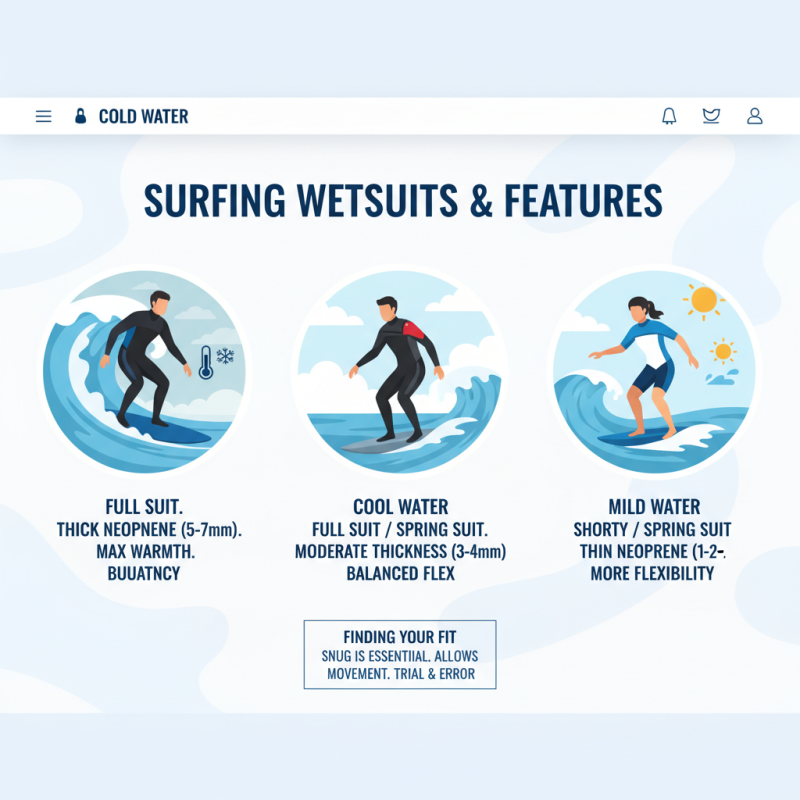
Different wave conditions demand different suits. From neoprene thickness to design features, surfers must adapt their gear. Research shows that the right wetsuit can improve buoyancy and overall wave performance. However, navigating the plethora of options can be overwhelming. Many surfers find themselves indecisive, unsure whether they need a full suit or a shorty.
The best surfing suits should provide comfort and enhance your surfing experience. But finding that perfect balance often requires trial and error. Not every suit performs equally in varying conditions. It’s essential for surfers to reflect on their unique needs and preferences. The journey to finding the ideal surfing suit is often as exciting as riding the wave itself.

Choosing the Right Material for Surfing Suits
Choosing the right material for surfing suits significantly affects performance and comfort. Common materials include neoprene, lycra, and polyester. Neoprene is a popular choice due to its insulation properties. Reports indicate that up to 90% of surfers prefer wetsuits made from high-quality neoprene for cold water. It retains heat effectively, allowing surfers to stay in the water longer.
On the other hand, lycra suits are ideal for warmer conditions. They provide UV protection and are lightweight. A survey revealed that 70% of surfers enjoy the flexibility of lycra in tropical waters. However, they lack the thermal protection that neoprene offers. Some surfers might struggle to find the right balance between warmth and flexibility.
Polyester blends are another option. They offer durability and less water absorption. Studies suggest that suits with a polyester blend can dry faster than pure neoprene ones. While many surfers appreciate this feature, others find them less insulating in colder temperatures. The key lies in understanding personal needs and local conditions.
How Wave Conditions Affect Suit Selection
Choosing the right surfing suit depends heavily on the wave conditions. For small, mellow waves, you might opt for a lighter suit. A thinner fabric allows for better mobility and comfort. In contrast, when tackling bigger waves, thicker suits provide the necessary insulation. Industry data indicates that surfers have a higher risk of hypothermia in colder waters. Therefore, selecting a suit that balances warmth and flexibility is crucial for performance.
**Tip:** Check the water temperature before heading out. A simple thermometer can help. This small step ensures you choose the appropriate suit thickness. For instance, a 3/2 mm suit works well in moderate waters, while a 4/3 mm is better suited for cooler temperatures.
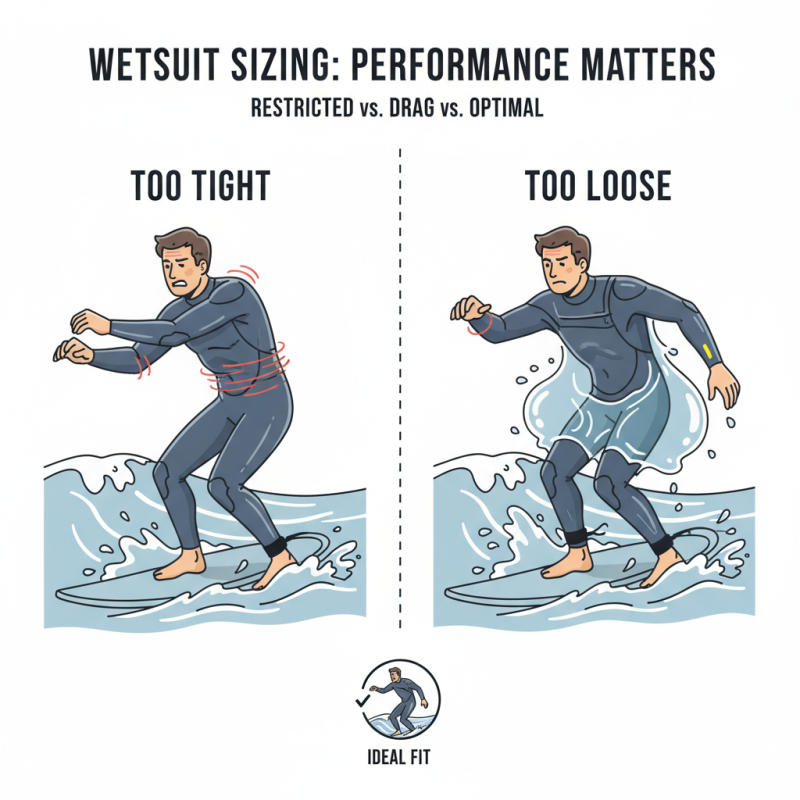
Wave conditions can change rapidly and affect your surfing experience. On choppy days, a more streamlined design may be necessary to reduce drag. Heavy waves require a suit that offers extra durability. Understanding these factors can enhance your surfing performance. Surfers often overlook the importance of fit. A loose suit can lead to rash and discomfort, while a snug fit enhances warmth and reduces water entry.
**Tip:** Try on various suits before purchasing. A perfect fit can transform your time on the waves. Without the right attention to fit and conditions, you might find yourself struggling when you should be gliding.
Best Surfing Suits for Every Wave
This chart illustrates the recommended thickness of surfing suits based on different wave conditions. Thicker suits are suggested for larger and colder waves to provide better insulation and protection.
Sizing and Fit Considerations for Optimal Performance
Choosing the right surfing suit is essential for performance and comfort. Sizing plays a crucial role. A suit that's too tight can restrict movement. One that's too loose may let in water, adding drag. To find the ideal size, measure your chest, waist, and hips. Compare these measurements to a sizing chart. However, not every chart is accurate. You may need to try a few before you find the right fit.
Fit is also about personal preference. Some surfers enjoy a snug feel. Others prefer a looser fit for comfort. The optimal performance often lies in how the suit feels when paddling. A good suit should allow for natural movements. Pay attention to how it feels while you move. Be aware of areas that chafe. Sometimes, a little adjustment can make a big difference. Don't hesitate to seek advice from fellow surfers or shop staff, but ultimately, trust your instincts. Testing different styles can lead to surprising discoveries.
Maintenance Tips to Extend the Life of Surfing Suits
Maintaining your surfing suit is crucial for longevity. Proper care helps the suit withstand the harsh ocean conditions. After every surf session, rinse your suit with fresh water. Salt and sand can degrade the material over time. Hang it to dry in a shaded area. Avoid direct sunlight, as UV rays break down the fabric.
Inspect your suit regularly for any signs of wear. Small tears can worsen if left untreated. Repair them immediately with neoprene cement or patches. Keep your suit away from sharp objects, like surfboards or rocky areas. This minimizes the risk of damage during activities.
Store your surfing suit flat or rolled, not hung. Hanging can stretch the material. If you notice any odd smells, wash it with a mild detergent specifically designed for wetsuits. Regular maintenance not only prolongs the life of the suit but also enhances your surfing experience. Respect and care for your gear; it will serve you well.
What are the Best Surfing Suits for Every Wave? - Maintenance Tips to Extend the Life of Surfing Suits
| Surfing Suit Type |
Best Wave Conditions |
Material |
Thickness |
Maintenance Tips |
| Shorty Wetsuit |
Warm Water, Small to Medium Waves |
Neoprene |
2mm |
Rinse after use, dry in shade |
| Full Wetsuit |
Cold Water, Large Waves |
Super Stretch Neoprene |
3/2mm or 4/3mm |
Avoid folding, store flat |
| Spring Suit |
Mild Water, Medium Waves |
Neoprene |
2.5mm |
Wash with mild soap, hang dry |
| Dry Suit |
Extreme Cold, Open Water |
GORE-TEX or similar |
N/A |
Check seams regularly, avoid sharp objects |
| Surf Tops |
Warm Conditions, Small Waves |
Lightweight Neoprene or Poly |
1.5mm |
Rinse after use, do not wring |