What Is the Best Material for Surfing Suits in 2026?
In 2026, the best surf suit material depends on water temperature, fit, and how often you surf. Conventional neoprene remains common because it traps warmth and stretches with your movements. In cold water, thicker panels and a soft thermal lining can help keep your core comfortable. Yet warmth depends on more than the foam itself. A suit that flushes cold water at the neck or wrists can feel chilly, even with premium materials.
Natural-rubber-based foams and recycled fabrics offer alternatives, but their performance and environmental benefits vary by product. Check the manufacturer’s material details rather than relying on broad labels. Surfing Suits Material choices also include lining fabrics, seams, and closures, all of which affect comfort and durability. Fit matters most. A suit should feel close to the body without restricting your shoulders when you paddle. Loose areas may let water enter; overly tight panels can make movement tiring. No fabric is perfect. A lower-impact option may suit your values, but it still needs to match your local conditions and care routine. Rinse your suit after use, dry it out of direct sunlight, and follow its care instructions. These steps can help extend its useful life, though wear and tear are unavoidable. This guide compares the main options and explains what to weigh before choosing a surf suit for 2026.
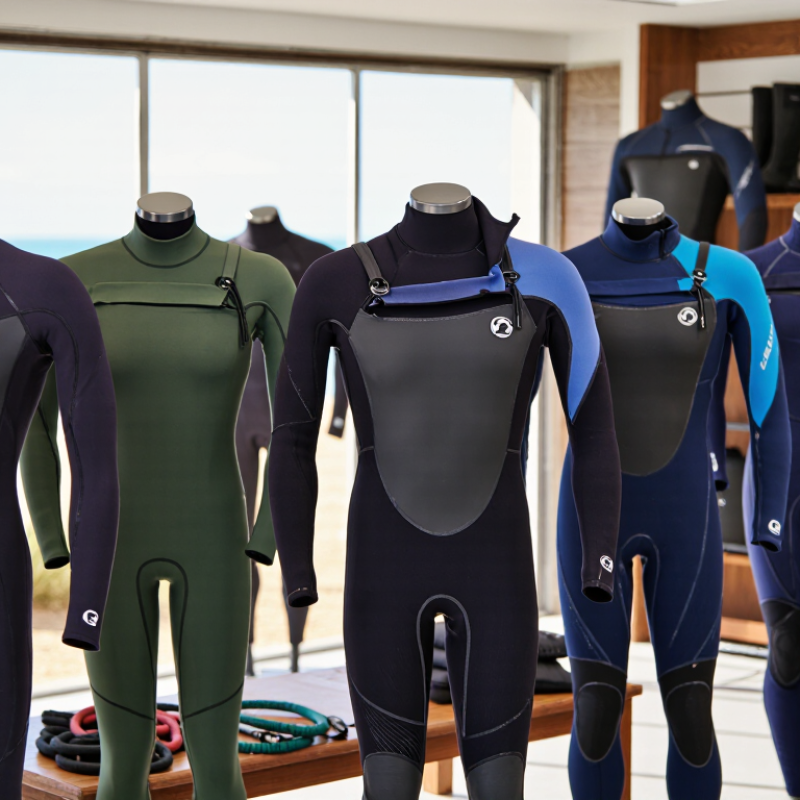
What Materials Are Used in Surfing Suits?
What Is the Best Material for Surfing Suits in 2026?
What Materials Are Used in Surfing Suits?
Surfing suits use different materials for different water temperatures. Cold-water wetsuits are usually made from foamed neoprene, a synthetic rubber that helps retain body heat. The foam is commonly covered with nylon or polyester jersey, which adds durability and makes the suit easier to put on. Fit matters, too. A loose suit can let cold water flush through; one that feels painfully tight may restrict paddling.
Warm-water surf suits, such as rash guards and swimwear, often use nylon or polyester blended with elastane for stretch. Some wetsuits use natural-rubber foam or recycled textiles, but material labels alone do not reveal a suit’s full environmental impact. Seams, lining, thickness, and construction also affect warmth and comfort. I would not assume that one material is best for every surfer; water temperature, movement, and personal fit all matter. Even a small seam rubbing at the shoulder can become distracting during a long session.
Tips: Check the suit’s thickness against local water conditions. Try lifting your arms as if paddling, and look for gaps at the neck, wrists, and ankles. A snug fit should still allow easy breathing and movement.
How Do Surfing Suit Materials Compare in Warmth, Stretch, and Durability?
For most surfers, warmth depends on foam thickness, fit, and seam construction as much as the material itself. Neoprene traps a thin layer of water, which the body warms. A close-fitting suit limits flushing at the neck, wrists, and ankles. Thicker neoprene generally holds more warmth, but can feel restrictive when paddling. Higher-stretch foam moves more easily across the shoulders and elbows, especially during repeated strokes. The trade-off is real. Softer foam may be more vulnerable to fingernail damage, rough board decks, and careless pulling when the suit is wet.
Durability is not determined by the foam alone. Abrasion-resistant outer fabric can help protect high-contact areas, while careful stitching and sealed seams reduce water entry and seam strain. Recycled-content materials may offer a lower-impact option, but construction and lifespan still matter; check the care guidance rather than assuming every blend wears alike. Rinse the suit with fresh water after use, dry it out of direct sun, and avoid yanking the legs or arms into place. A small split at a seam can grow quickly. I would compare suits by fit and shoulder mobility in a safe fitting space, then weigh warmth against how often and where you surf.
How Do Water Temperature and Surfing Style Affect Material Choice?
Water temperature should guide your suit choice, but air temperature, wind, and session length matter too. In mild water, a thin suit or rash guard may provide enough warmth and sun protection. Cooler conditions call for thicker neoprene, while cold, windy breaks may require sealed seams and a hood. Check local water readings, not just the season. A sunny beach can still hide icy water.
Fit matters, too. A suit should feel snug without restricting deep breaths or shoulder rotation. For long paddle-outs and slow sessions, extra warmth can help you stay comfortable as your body cools. Short, high-energy sessions may favor lighter, more flexible material. Surfers who spend time duck-diving often value stretch through the shoulders; those waiting between sets may prioritize insulation. There is no perfect thickness chart. It can mislead when wind or personal cold tolerance changes the feel. I would rather adjust for the conditions than assume one suit works everywhere. That is the trade-off.
Which Surfing Suit Materials Offer the Best Sustainability in 2026?
For surfing suits in 2026, the most sustainable choice depends on more than the foam. Most suits combine synthetic rubber foam with nylon or polyester lining, so check both components. Natural-rubber or partly bio-based foams can reduce reliance on fossil feedstocks, but “bio-based” does not automatically mean biodegradable. Durability matters too: a suit that stays warm and usable for several seasons may avoid an early replacement.
Textile Exchange’s Materials Market Report 2024 estimates that global fiber production reached 124 million tonnes in 2023, with polyester making up 57%. Recycled polyester represented 12% of polyester production. These are industry-wide figures, not a surf-suit footprint comparison. The catch? A recycled lining alone cannot tell you the impact of the foam, manufacturing, or garment life. Claims also vary, and public data for finished suits remains limited. That deserves scrutiny.
Tips: Check whether a maker states the foam’s material, recycled-content percentage, and repair options. Ask how long repairs take, too. A small tear near the knee can be fixable; a suit with hard-to-repair seams may not be. Compare specific disclosures, not just labels like “eco” or “green.”
What Is the Best Material for Surfing Suits in 2026?
A feedstock comparison of common wetsuit material pathways
The chart identifies the defining feedstock pathway for each material type: 1 means yes and 0 means no. Natural rubber comes from a renewable plant source; recycled polyester and recycled nylon use recovered feedstock. Conventional neoprene is petroleum-based. These are material-level distinctions, not lifecycle-impact scores: a wetsuit’s overall footprint also depends on its blend, manufacturing, useful life, repairability, and disposal.
How Can Surfers Choose the Best Material for Their Needs?
Choosing a surf suit starts with water temperature, not a material label. For chilly dawn sessions, neoprene usually traps warmth well; thickness and sealed seams matter just as much. In mild water, a thinner, stretchier suit can make paddling easier. Check local seasonal temperatures, then compare suits in the suggested thickness range.
How it feels matters. Bend your arms as if paddling, crouch, and reach overhead while trying it on. A suit should sit close without pinching your neck or restricting your breathing. It should not balloon at the lower back. Small gaps let cold water flush through. Fit can outweigh a premium fabric. This test is imperfect, though: a suit may feel different after an hour in the water.
Material choices involve trade-offs. Conventional neoprene is warm and widely available, while natural-rubber or recycled-content options may reduce reliance on some fossil-derived inputs. Performance and environmental impact vary by construction, processing, and care; a label alone cannot prove a suit is greener. Ask for clear material details. If you surf often, prioritize durable seams and repairability. For occasional sessions, comfort and cost may matter more. Rinse the suit with fresh water and dry it in the shade. Stretch descriptions rarely capture the feel of a long paddle.